

MRT line-5 depot land dev 87.54pc complete

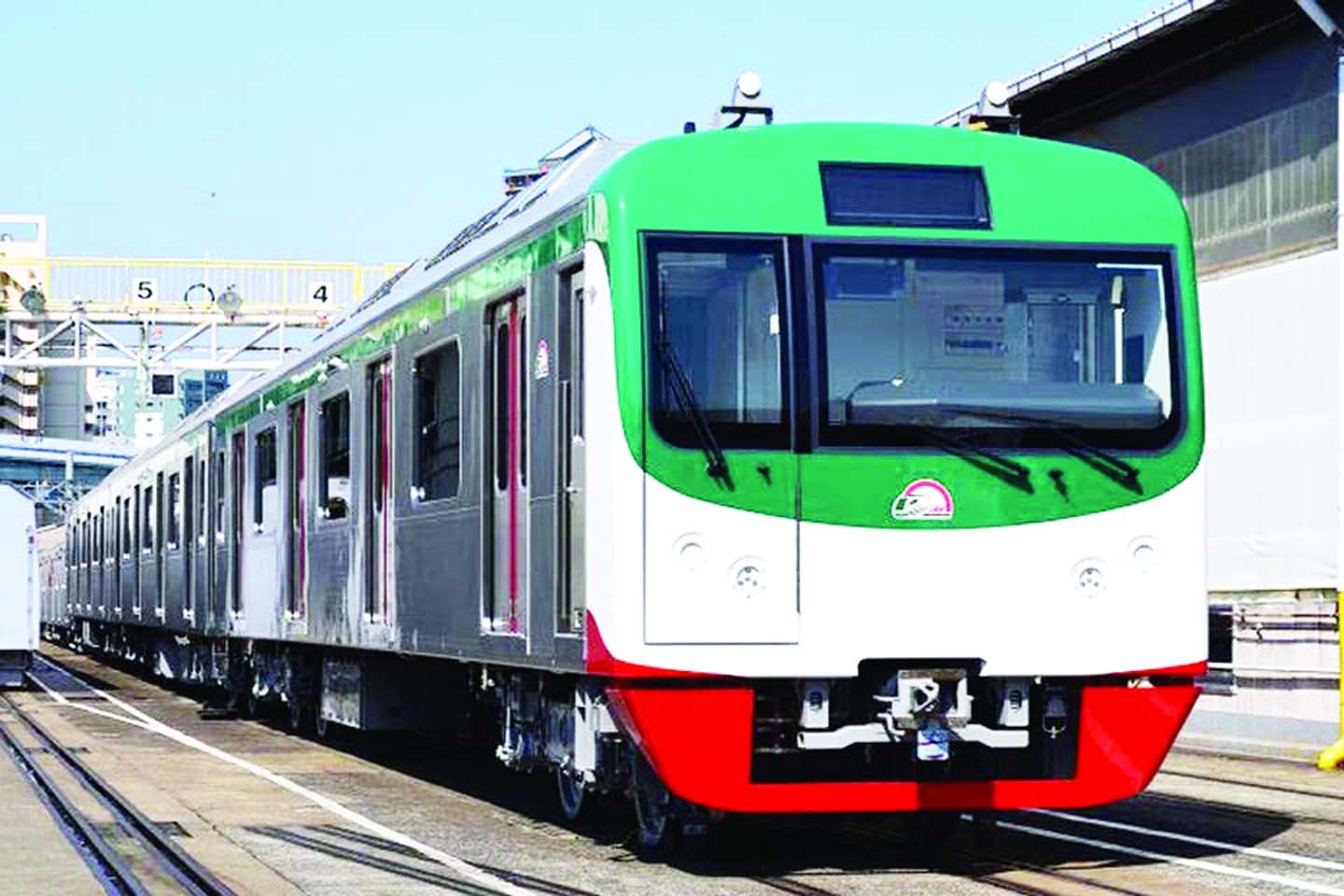
Land development for the depot of Dhaka’s MRT Line-5 Northern Route has reached 87.54 per cent completion as of October 2026, marking progress in the metro rail project connecting Hemayetpur with Bhatara.
The 20-kilometre route will comprise 13.50 kilometres of underground track and 6.50 kilometres of elevated track.
The project is scheduled for completion by December 2032.
“The metro rail will connect the densely populated Bhatara area with Hemayetpur, improving east-west connectivity across the capital,” a project official told BSS.
He said the project was being implemented through 10 contract packages, with construction and procurement activities at different stages. Land acquisition for the mainline and stations is also underway.
The revised MRT Line-5 Northern Route project was approved by the Executive Committee of the National Economic Council (ECNEC) on September 16, 2026, at an estimated cost of Tk 89,848.36 crore. Its implementation period runs from July 2019 to December 2032.
Of the total cost, the government will provide Tk 22,330.11 crore, while Tk 67,518.25 crore will come from project loans.
The Northern Route will be Dhaka’s first east-west metro rail corridor. It will have 14 stations, including nine underground and five elevated stations, and is designed to carry around 1.23 million passengers a day.
The journey between Hemayetpur, near Savar, and Bhatara is expected to take about 32 minutes. The service is expected to reduce travel time for commuters who currently face lengthy journeys because of traffic congestion and the city’s complex transport network.
Each electric train will have a passenger capacity of 3,088. The system will be capable of carrying up to 53,200 passengers per hour in both directions.
MRT Line-5 Project Director Abdul Matin Chowdhury earlier told BSS that the authorities were giving top priority to the quality of construction work and equipment.
“We will not compromise on the quality of construction work and equipment,” he said, adding that modern and environment-friendly technologies would be used to minimise pollution and noise.
Project officials said continuous welded rail (CWR) would be installed to ensure smoother train operations. Sound barriers would also be placed on both sides of the elevated viaducts to keep noise and vibration within prescribed standards.