

7-point plan to strengthen jail security

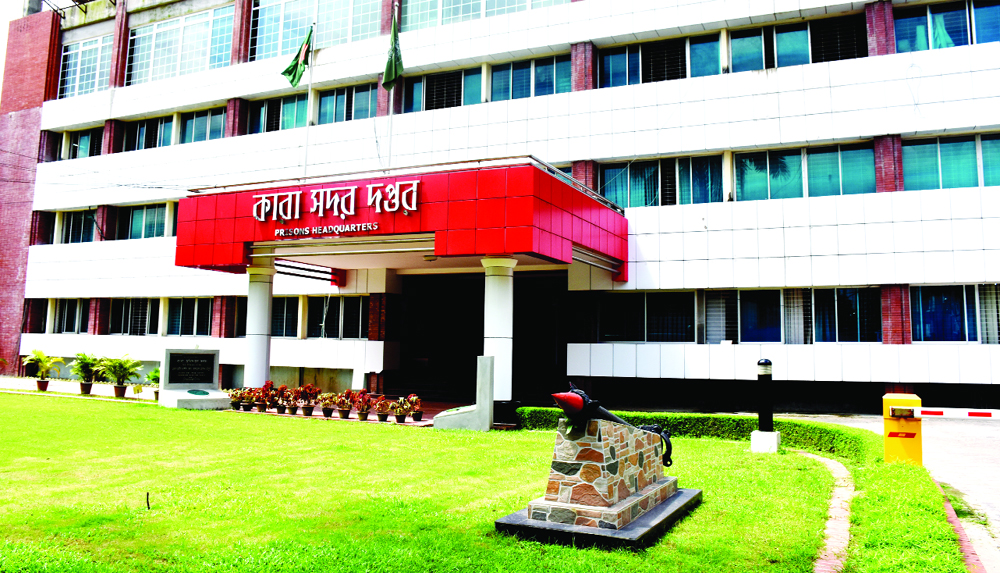
The Department of Prisons has introduced a seven-point action plan to strengthen security, maintain discipline and ensure greater accountability across prisons nationwide.
The measures include tighter control over after-lockup activities, round-the-clock CCTV surveillance, action against unauthorised absence from duty posts, accountability of supervisory officers, retraining of negligent staff, additional security precautions during adverse weather and regular surprise inspections.
The initiative follows concerns that negligence, indiscipline and failure to comply with existing rules at some prisons could create security risks and weaken the management of correctional facilities.
Additional Director General of Prisons Colonel Mesbahul Alam Salim said the department had strengthened its monitoring system to ensure proper implementation of the directives, reports BSS.
A daily operational routine has been introduced for every prison, and all jails are required to submit regular feedback to the prison authorities. The department’s Operational Branch has been assigned to monitor compliance, he said.
The department has also taken steps to recruit additional personnel, including deputy jailors, who will be assigned to monitor prisons across the country.
Salim said at least 90 per cent compliance with the directives had been achieved. He expressed hope that the benefits of the measures would become visible within the next three to four months.
He added that authorities had ordered the transfer of prison personnel between jails if they were found negligent in performing their duties.
Under the guidelines, after-lockup activities must be strictly regulated and discouraged unless considered essential and approved by the competent authority. Any exceptional arrangement requires written approval from the jailer, a specified time limit and proper documentation in the relevant register.
The directives make 24-hour CCTV monitoring mandatory in every prison. Separate monitoring rooms are to be established wherever possible, with trained guards possessing IT skills assigned to maintain surveillance.
Where dedicated rooms are unavailable, monitors must be installed at suitable locations to ensure uninterrupted observation.
The department has adopted a zero-tolerance approach to guards leaving their assigned posts without permission. Any such incident must be reported immediately in writing, followed by departmental action under existing rules.
Supervisory officers will also face accountability for concealing negligence or unauthorised absence, delaying reports or failing to take appropriate action against those responsible.
Staff repeatedly reported for negligence may undergo retraining, counselling and motivational programmes. Depending on the circumstances, they may also be transferred in the administrative interest or face departmental proceedings.
The guidelines require guards to remain at their designated posts and maintain heightened vigilance during adverse weather, including rain and thunderstorms.
Prison superintendents, jailers and other responsible officers have also been instructed to conduct regular supervision and surprise inspections. They must examine security posts, CCTV systems, guard duties and overall security arrangements and take action to address any shortcomings.
The seven-point directive, issued in August, warned that any untoward incident inside a prison could damage the image of the entire prison administration and trigger adverse public reaction.
The department has instructed all concerned officials to implement the measures immediately to prevent security lapses, maintain discipline and strengthen accountability at every level of prison administration.