


Rohingyas pin hopes on ICJ verdict

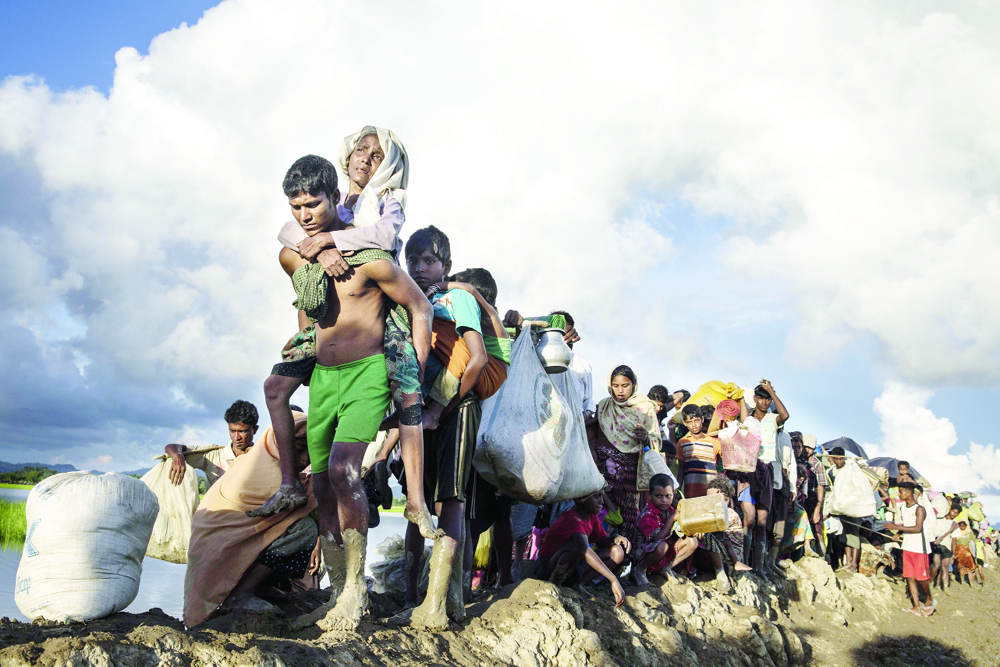
The forthcoming judgment of the International Court of Justice (ICJ) in The Gambia v. Myanmar could mark a significant step towards accountability for crimes against the Rohingya, but its impact will depend on the international community’s willingness to ensure that the verdict is fully implemented, a United Nations Rapporteur said on Wednesday.
Kelley E. Currie, UN Special Rapporteur on the situation of human rights in Myanmar, said survivors hoped the court would recognise the crimes committed against them, name them accurately and set the community on a path towards justice.
“We hope this verdict will recognise these crimes, call them by their right name and put us on the path towards justice,” she made the remarks at the UN House in Dhaka after visiting Bangladesh from 11 to 18 November.
“In that case, it will become the duty of all nations to support the full implementation of the judgment,” she added. Even if the decision fell short of those expectations, the case had demonstrated the strength of Rohingya survivors and their determination to secure justice, she added.
The ruling, expected on 19 November, was an important moment for the Rohingya and Myanmar. The case has become central to their long struggle for recognition and accountability.
Since the adoption of the Genocide Convention in 1948, too many perpetrators had escaped accountability and too many victims had been denied justice, she said.
Crimes against the Rohingya included dispossession, denial of identity, forced displacement, torture, sexual violence and murder. They did not begin or end in 2017, and those responsible continued to expect impunity.
“This decision represents a potential step away from that impunity, and a potential step towards accountability for the perpetrators and justice for the survivors and the victims,” Currie said.
Whatever the court decided, survivors, their community and supporters around the world would continue to demand justice and an end to impunity. “I stand with them,” she said.
The proceedings come as Bangladesh hosts more than one million Rohingya and other refugees from Myanmar, who cannot return home safely.
Currie said Myanmar’s crisis was directly affecting Bangladesh, particularly as fighting intensified in neighbouring Rakhine State.
Civilians and civilian infrastructure faced deadly attacks, she said.
Rohingya and other marginalised groups continued to suffer repression and severe deprivation of civil, political, economic and cultural rights in areas controlled by the Naypyidaw authorities and the Arakan Army.
These conditions made safe, dignified and durable returns impossible and drove more people to flee. Donor support was declining, assistance inside Rakhine State was harder to deliver, and funding for refugees in Bangladesh was at an all-time low despite record levels of need.
During her visit, Currie met senior Bangladeshi officials preparing a strategy for the early, safe, voluntary and dignified return of Rohingya refugees. Prime Minister Tarique Rahman has formed a special committee, although the final strategy has not been released.
Elements under consideration included preventing Bangladeshi territory being used by armed groups, preserving the civilian character of camps, improving access to education and skills, and addressing host communities’ needs.
In Cox’s Bazar, insecurity emerged as a recurring concern. Women and girls feared leaving home, mothers worried their children might be abducted, and men felt powerless when their families faced abuse.
She also heard concerns about poor shelter for people arriving since 2024 and the vulnerabilities of religious minorities within the Rohingya community.
Yet refugees wanted to work, learn and build dignified lives for their children. Despite years of suffering, many retained hope of returning to a Myanmar where their rights would be respected.
Currie said security measures and humanitarian assistance alone could not resolve the crisis.
Naypyidaw bore primary responsibility, with the denial of identity, security and human rights at its roots.
She described Myanmar’s conflict as a decades-long struggle over its future: whether it would remain controlled by an exclusionary military elite or become a federal democracy respecting citizens’ rights and freedom from fear.
Inclusive political dialogue involving the Rohingya and other marginalised communities was the best way to address those political questions, she said.
Regional countries and other member states should support such dialogue and stop actions that fuel violence, including attacks on civilians.
She said the humanitarian, economic and security pressures facing camps and host communities were interconnected with the conflict in Rakhine State and Myanmar’s wider political crisis.
She called for urgent action to improve camp security, including removing and disarming unauthorised armed actors and criminal groups.
Insecurity and limited education and livelihood opportunities exposed refugees and host communities to drug trafficking, smuggling, human trafficking and recruitment.
Women and children were particularly affected, with gender-based violence and serious crimes against children rising.
Cuts to protection, education, livelihoods and non-emergency health programmes risked leaving a generation without hope.
She urged a rights-based approach, treating refugees not as charity recipients but as people entitled to help shape their future.
Preparations should address refugees’ and host communities’ needs, whether returns became possible in five weeks, five months or five years.
Currie will present a full report on her Bangladesh visit to the UN Human Rights Council in March 2027.