


Taka’s decade-long depreciation a major driver of inflation BB Governor

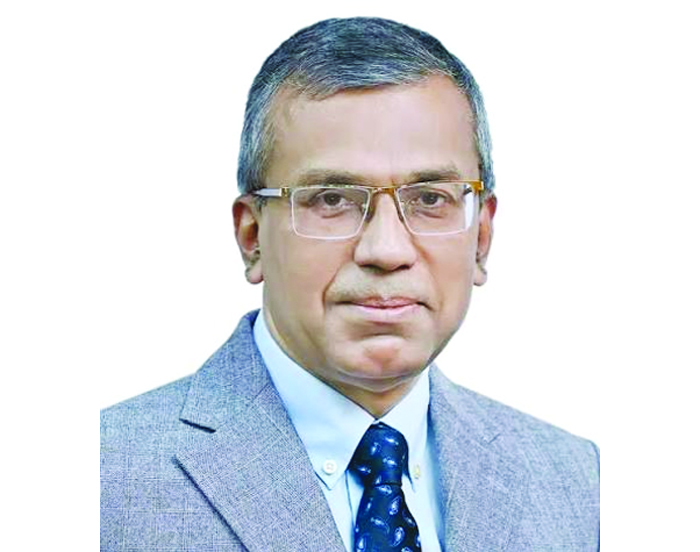
Bangladesh Bank Governor Md Mostaqur Rahman on Saturday said the depreciation of the taka over the past decade is a major driver of inflation, and asked commercial banks to cut the margins they add when selling dollars to importers.
Speaking at the 5th Bangladesh Economic Conference 2026 at Pan Pacific Sonargaon, he said the taka has lost about 60 percent of its value in 10 years, or roughly 6 percent a year.
Because Bangladesh is import-dependent, and even local production relies on imported inputs, the depreciation is passed on to prices, he added.
The period-average exchange rate of the taka against the US dollar stood at Tk 78.26 in FY2015-16, rising to Tk 122.30 in FY2025-26, according to BB data.
All key indicators, including reserves and private sector credit growth, were negative when he took charge and remain weak in part, the governor said.
Banking sector troubles, including money being siphoned off, have added to the burden, he said, warning that the current generation is leaving the next with a heavy legacy.
On monetary policy, Mostaqur said high inflation limits room for rate cuts. The central bank has cut rates by 50 basis points and hopes to ease further.
Separately, he urged analysts to use 2015 rather than FY2022-23 as the base year when calculating the real effective exchange rate, saying it would give a truer picture.
Citing his experience chairing a state-run entity that bills on a “cost plus percentage” basis, he said such pricing leaves little incentive to cut waste.
Mostaqur told bankers they likewise earn a margin on dollars sold to importers whatever the price, and asked them to cut even 50 paisa per dollar, as importers pass costs on to consumers.
The governor said credit has become concentrated in a few corporate borrowers over the past decade, with corporate lending at 70-80 percent of the total.
He proposed lending-mix targets for next year to bring the corporate share down to around 45 percent.
Separately, he said the central bank has eased payment and remittance rules and made it easier for e-commerce businesses to receive payments. Reducing demand in the informal market, he said, matters more than regulatory action in curbing “hundi”.
On reserves, the governor said Bangladesh Bank has introduced a non-resident convertible taka account and aims to build a buffer over three to five years to cover excess payments in the energy sector.
He said the three types of dollar-denominated bonds, capped at 15-year tenure about a decade ago, could be made open-ended, with only $606 million currently outstanding in them.
Mostaqur also stressed diversifying energy sources and moving towards alternative energy.