


Millions remain undiagnosed

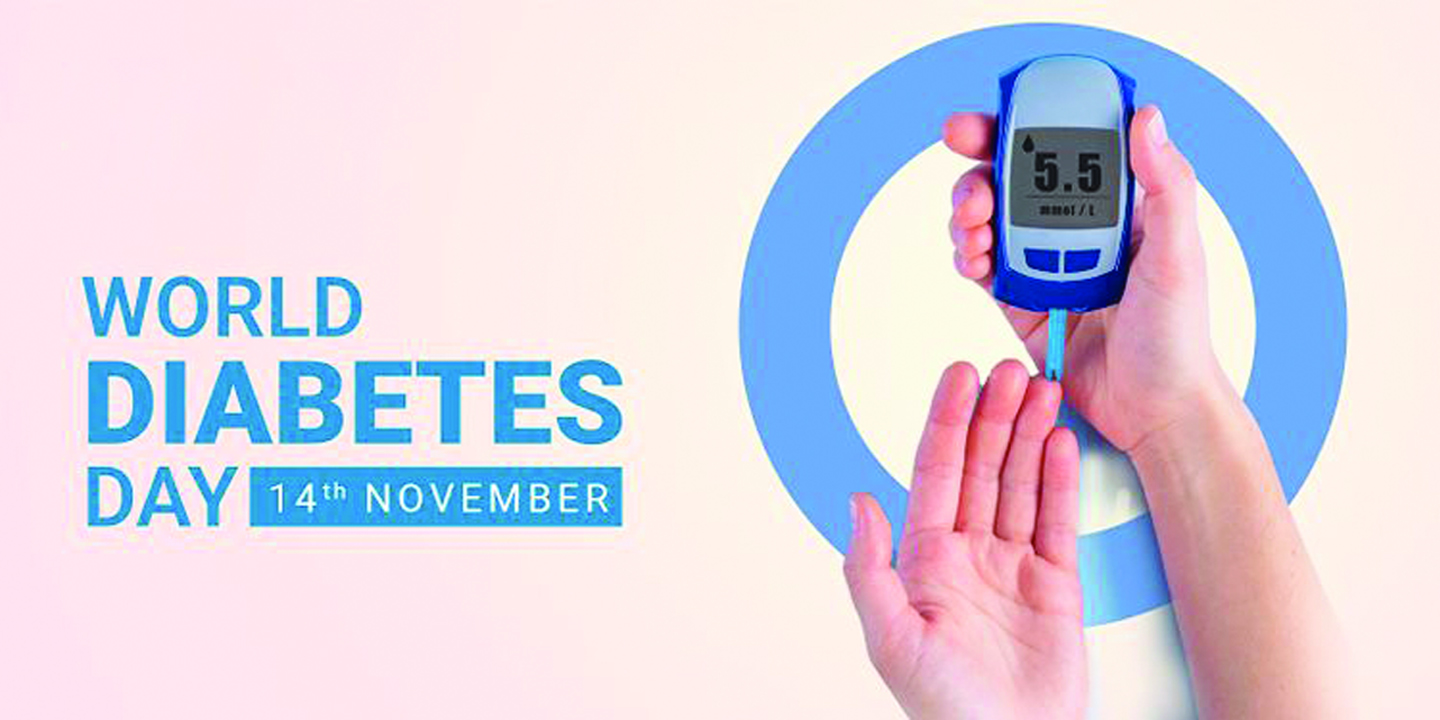
As the world observes World Diabetes Day today (November 14), Bangladesh faces a mounting diabetes crisis, with millions living with the disease without knowing it and the number of patients rising sharply.
Nearly four in every 10 adults with diabetes remain undiagnosed, exposing major gaps in screening and early detection while raising concerns over the growing financial burden on families and pressure on the country’s healthcare system.
Around 1.39 crore adults in Bangladesh were living with diabetes in 2024, making the country eighth globally in terms of the number of affected people, according to the International Diabetes Federation’s (IDF) 2025 Diabetes Atlas.
Of them, an estimated 54.26 lakh remained undiagnosed, while another 1.91 crore adults had impaired fasting glucose, putting them at risk of developing the disease.
The number of adults with diabetes has increased nearly eightfold since 2000 and could reach 2.31 crore by 2050.
The Bangladesh Demographic and Health Survey 2022 also exposed the diagnosis gap, finding diabetes among 17 per cent of women and 15 per cent of men aged 18 and above.
Only 6 per cent of women and 5 per cent of men with the condition were aware of their illness, taking medication and keeping their blood glucose under control.
Marking the occasion, President Mirza Fakhrul Islam Alamgir and Prime Minister Tarique Rahman called for greater public awareness, early diagnosis and preventive measures.
In his message, the President described diabetes as a chronic disease requiring lifelong management and warned that uncontrolled cases could lead to heart attacks, strokes, kidney disease, blindness and amputations. However, proper management could help patients lead healthy and productive lives, he said.
He urged the media, social and cultural organisations, and government and non-government bodies to work with the Bangladesh Diabetic Association (BADAS) to raise awareness.
The Prime Minister expressed concern over the steady rise in diabetes and stressed timely diagnosis, proper treatment, balanced diets and regular exercise.
He called for coordinated efforts by healthcare institutions, physicians, health workers and the public to prevent non-communicable diseases.
He also assured continued government support for diabetes prevention and control.
At a press conference at Ibrahim Cardiac Hospital and Research Institute in Dhaka, BADAS President National Professor AK Azad Khan said more than 90 per cent of diabetes cases worldwide were type 2, which often remained symptomless in its early stages.
He urged people not to wait for symptoms before undergoing blood sugar tests, warning that complications could develop before patients realised they had the disease.
Sedentary lifestyles, reduced physical activity, a shortage of playgrounds and growing dependence on calorie-rich fast food were contributing to the rising prevalence, he said, calling for restrictions on fast-food sales and promotion near educational institutions.
Speaking to The New Nation, Dr Md Kasedul Islam (Noyan), an assistant surgeon associated with Sher-e-Bangla Medical College, described diabetes as a growing silent epidemic.
“Driven by poor dietary habits and sedentary lifestyles, we are now seeing individuals as young as 30 to 35 falling victim to this chronic condition,” he said.
He warned that treatment costs could severely strain household finances and undermine national productivity, while increasing cases of kidney failure, blindness and cardiovascular disease could overwhelm healthcare facilities.
BADAS Secretary General Mohammad Saif Uddin said around 1.39 crore people had diabetes in Bangladesh, while 72.31 lakh patients were registered with the association. He advised people, particularly those with a family history, to check their blood sugar at least twice a year.
Professor Azad Khan said BADAS was providing free insulin to around 12,500 patients with type 1 diabetes, stressing the need for uninterrupted supplies.
Professor Faruk Pathan, senior director (Research and Academy) of BIRDEM General Hospital, called for stronger screening and treatment services at community clinics and upazila health complexes to help Bangladesh meet the IDF’s 2030 targets of diagnosing 80 per cent of patients and controlling blood glucose in 80 per cent of those diagnosed.
Dr Faria Afsana, president of the Bangladesh Endocrine Society, advised people with prediabetes to reduce body weight by 5-7 per cent, undertake at least 150 minutes of weekly exercise and limit rice, refined flour and sugary drinks. She recommended screening for everyone aged 35 and above, with earlier tests for younger people with risk factors.
World Diabetes Day is observed in around 170 countries. Declared by the IDF in 1991, November 14 has been observed globally since 2007 following a United Nations resolution in 2006, initiated by Bangladesh.
BADAS and its affiliated organisations are marking the occasion with awareness campaigns, publications and the distribution of educational materials.