


Wage Board delay risks RMG stability

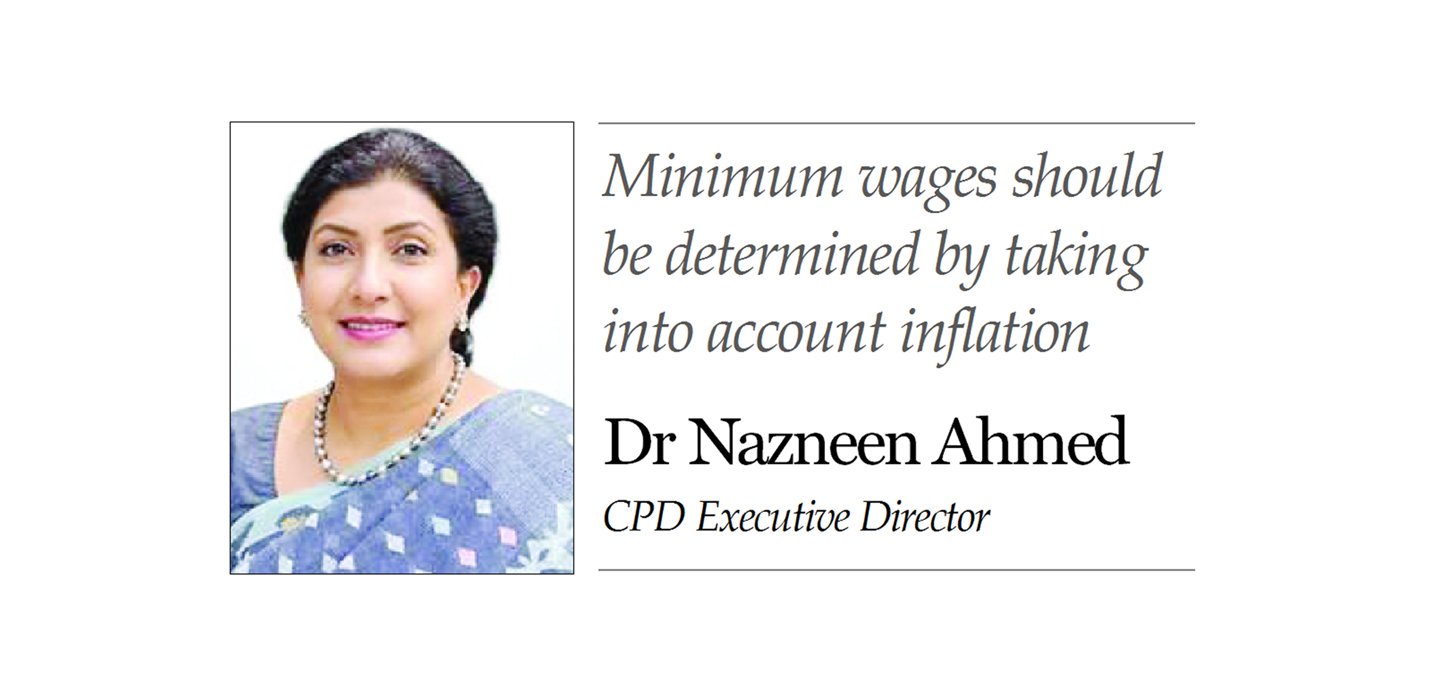
Timely intervention by the government to ensure garment workers’ rights and fair wages could have averted the recent unrest in the readymade garment (RMG) sector, as prolonged dissatisfaction over pay and working conditions fuelled protests, said Centre for Policy Dialogue (CPD) Executive Director Dr Nazneen Ahmed on Friday.
 She said the government should have formed a wage board before workers took to the streets, rather than responding after the situation became unstable.
Nazneen made the remarks as the chief guest at a debate competition organised by Debate for Democracy in Dhaka on Friday (13 November).
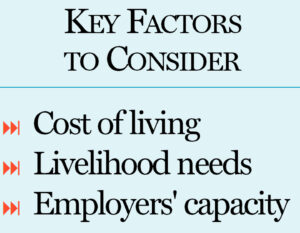
At the event, titled “Safe working conditions and social security are more important than wage hikes for stability in the garment sector”, she said minimum wages should be determined by taking into account inflation, living costs, and workers’ expenditure on education and healthcare.
She also suggested that the government collect data from a broad section of the population to assess workers’ actual living expenses and establish a realistic wage structure.
“It is not desirable to take initiatives to increase workers’ wages after an unstable situation has emerged.
The unrest could have been avoided if the wage board had been formed before the protests began,” she said.
Questioning the delay in forming the wage board, Nazneen said it was supposed to be established in 2026, three years after the previous board was formed in 2023.
“After 2023, the wage board was supposed to be formed in 2026. But instead of forming it before the protests, the government did so after the protests began,” she added.
She said neither workers nor factory owners were fully satisfied with the prevailing conditions in the RMG sector.
While workers remained dissatisfied with wages and workplace conditions, manufacturers were also grappling with challenges such as energy shortages, port management difficulties and the need to improve productivity, she said.
Nazneen stressed that factory owners’ financial capacity should also be considered when setting minimum wages.
“Not only in the garment sector, but workers in all sectors should receive fair wages, and their working conditions should be safe and secure.
The government, employers and workers can work together to maintain stability in this sector,” she said.
Unrest threatens export prospects
Speaking as chair of the event, Debate for Democracy Chairman Hasan Ahmed Chowdhury Kiran said the situation in the garment sector had improved to some extent following protests, clashes, road blockades and vandalism over workers’ five-point demands, including wage increases.
However, full stability had yet to return, he said.
Kiran warned that continued unrest was damaging Bangladesh’s image in international markets and putting foreign buyers’ confidence at risk, potentially leading to a decline in exports.
The sector would face serious challenges if instability persisted, he said, stressing that a rational wage structure, safe working conditions and social protection were essential for sustainable industrial stability.
In the debate competition, Bangladesh University of Business and Technology defeated Dhaka College to emerge as the winner.