


Sustainable financing for hypertension control urged

Speakers at a journalists’ workshop on Wednesday called for sustainable financing for hypertension control in Bangladesh, urging the government to allocate a significant portion of the increased health budget to tackling the growing burden of high blood pressure and other non-communicable diseases (NCDs).
They warned that inadequate funding was disrupting the regular supply of free anti-hypertensive medicines at community clinics and NCD corners in Upazila Health Complexes, putting patients at risk of serious complications, including strokes and heart disease.
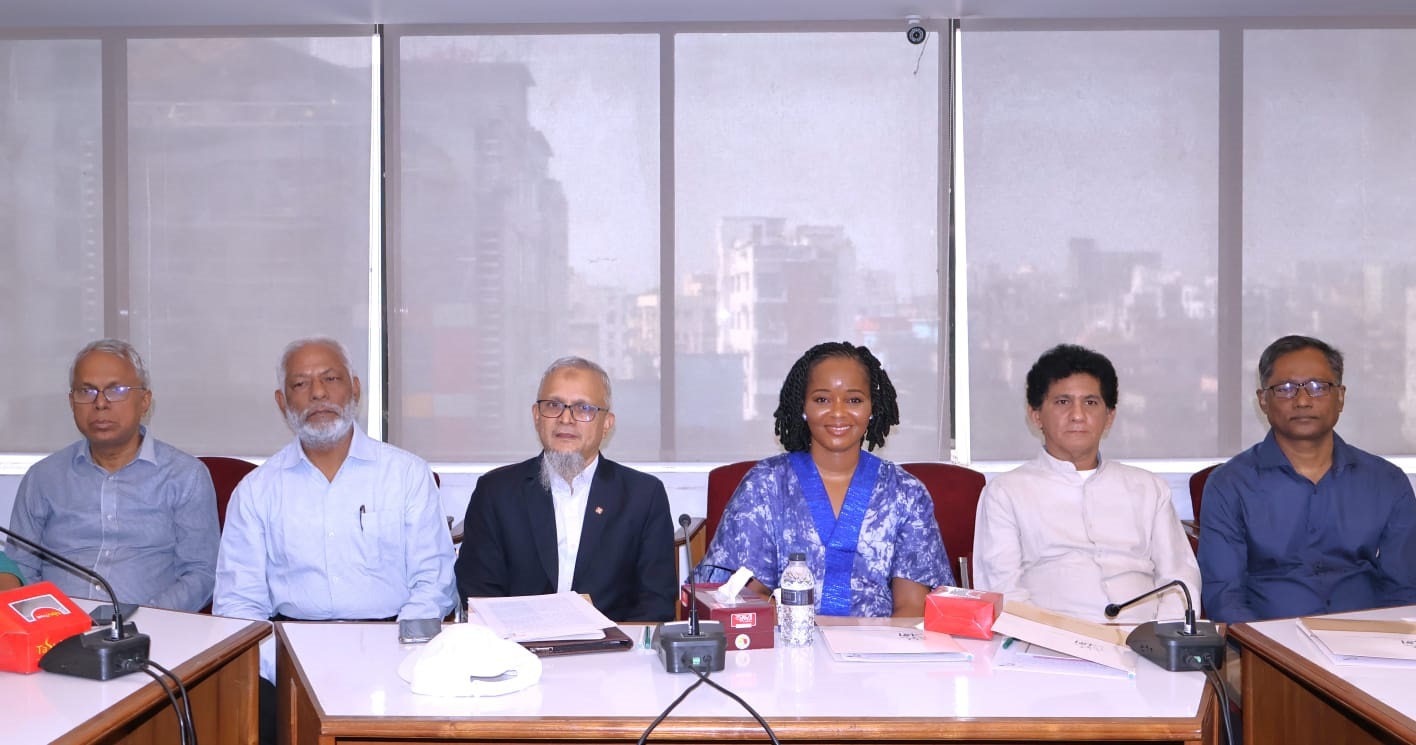
The call came at a workshop titled “Sustainable Financing for Hypertension Control in Bangladesh: Progress, Barriers and the Way Forward”, organised by research and advocacy organisation PROGGA (Knowledge for Progress), with support from the Global Health Advocacy Incubator (GHAI), at the BIP Conference Room in Dhaka.
According to information presented at the workshop, approximately 283,800 people died from cardiovascular diseases in Bangladesh in 2024, with hypertension accounting for 52 per cent of those deaths.
The overall burden of non-communicable diseases is also substantial, with around 570,263 people dying from various NCDs every year, accounting for nearly 71 per cent of all deaths in the country. About 19 per cent of these deaths are premature.
The Bangladesh Bureau of Statistics’ Health and Morbidity Status Survey 2025 identified hypertension as the leading disease among the country’s top 10 health conditions.
Despite the growing burden, only 4.2 per cent of the national health budget is allocated to NCD control, according to World Bank data shared at the workshop.
Dr Md Enamul Haque, Director General of the Health Economics Unit, said the increased health budget presented an opportunity to strengthen financing for hypertension prevention and treatment.
“The allocation for the health sector has been increased from 5.3 per cent to 7.4 per cent in the current budget, which is commendable. It is now essential to allocate a portion of this increased budget to hypertension control,” he said.
However, participants raised concerns about delays in procuring anti-hypertensive medicines, warning that existing stocks could run out before fresh supplies arrive.
Muhammad Ruhul Quddus, Bangladesh Country Lead of GHAI, said the government had allocated Tk 100 crore last year for purchasing hypertension medicines, but the stock procured with that funding was expected to run out within the next two months.
He said the government had yet to send a requisition to Essential Drugs Company Limited (EDCL) for the next procurement, despite the current budget having been passed in June.
Even if an order were placed immediately, EDCL would need at least three months to import raw materials and manufacture the medicines, he said.
He also expressed concern over reports that the government might shift from direct procurement to an open tendering system, although the tender process had not yet started.
Any interruption in the supply of medicines could force patients to discontinue treatment, increasing their risk of strokes and cardiovascular complications, he warned.
Zahirul Alam, Executive Director of Channel 24, stressed the importance of sustained media attention to the issue, saying public awareness and accountability were essential to securing long-term financing.
“Regular campaigns through the mass media and social media must continue to highlight the importance of sustainable financing for hypertension control,” he said.
He urged journalists to look beyond official announcements and examine the barriers preventing allocated funds from reaching patients.
He suggested investigating why essential medicines such as amlodipine were not reaching community clinics regularly, why public pharmaceutical procurement was facing delays and why existing budgetary allocations were not being utilised effectively.
He also called for field-based reporting to capture patients’ experiences, particularly in remote and underserved areas, arguing that data-driven reports should be complemented by accounts of individual suffering.
Speaking at the workshop, Dr Enamul Haque also highlighted the need to improve public health financing and management systems.
He said 35 ministries had signed a joint declaration in 2025 on preventing and controlling NCDs, reflecting the need for a coordinated government approach.
Emphasising the economic benefits of preventive healthcare, he said every dollar invested in prevention could generate returns of between eight and 18 dollars.
He also pointed to difficulties in spending allocated health funds, attributing delays partly to a shortage of trained personnel in public procurement and financial management.
According to him, many hospital administrators are clinicians who lack adequate training in procurement procedures and financial management. Concerns about legal complications under public procurement rules also discourage them from taking responsibility for spending.
He said an institute for health management was being established in Savar to address some of these institutional weaknesses.
Outlining the government’s revised healthcare financing strategy, Dr Enamul said it rested on three pillars: investing more, spending better and covering everyone.
He said the government had taken a policy decision to provide primary healthcare free of charge to everyone.
He also discussed plans to establish a National Health Protection Authority and a National Health Fund to mobilise resources through taxes on tobacco, sugar, salt and pollution. The proposed financing mechanism would help cover treatment costs for poor people and patients suffering from complex diseases.
Plans to establish mini laboratories at union level were also discussed. These facilities would aim to provide at least six basic diagnostic tests, including blood pressure, liver and kidney tests, X-rays and ECGs, free of charge or at a reduced cost at least once a year.
Dr Enamul further stressed the importance of healthier food habits and preventive measures in reducing the growing burden of NCDs.
Responding to questions from journalists, he acknowledged that climate change and air pollution also had implications for public health, particularly cardiovascular and respiratory conditions.
He said air pollution posed a direct threat to lung and heart health, making preventive interventions increasingly important.
The speakers also emphasised the need for greater accountability in the use of public health funds and stronger coordination among government agencies.
Ezinne Ezekwem, Associate Director for Non-communicable Diseases at GHAI; Mortuza Haider Liton, Convener of the Anti-Tobacco Media Alliance (ATMA); and ABM Zubair, Executive Director of PROGGA, attended the workshop as discussants.
The thematic presentations were delivered by Hasan Shahriar, Head of Programmes at PROGGA, and Samiha Bintay Kamal, Programme Officer at PROGGA.