

BD seeks Türkiye’s expertise in waste-to-energy, leather industry

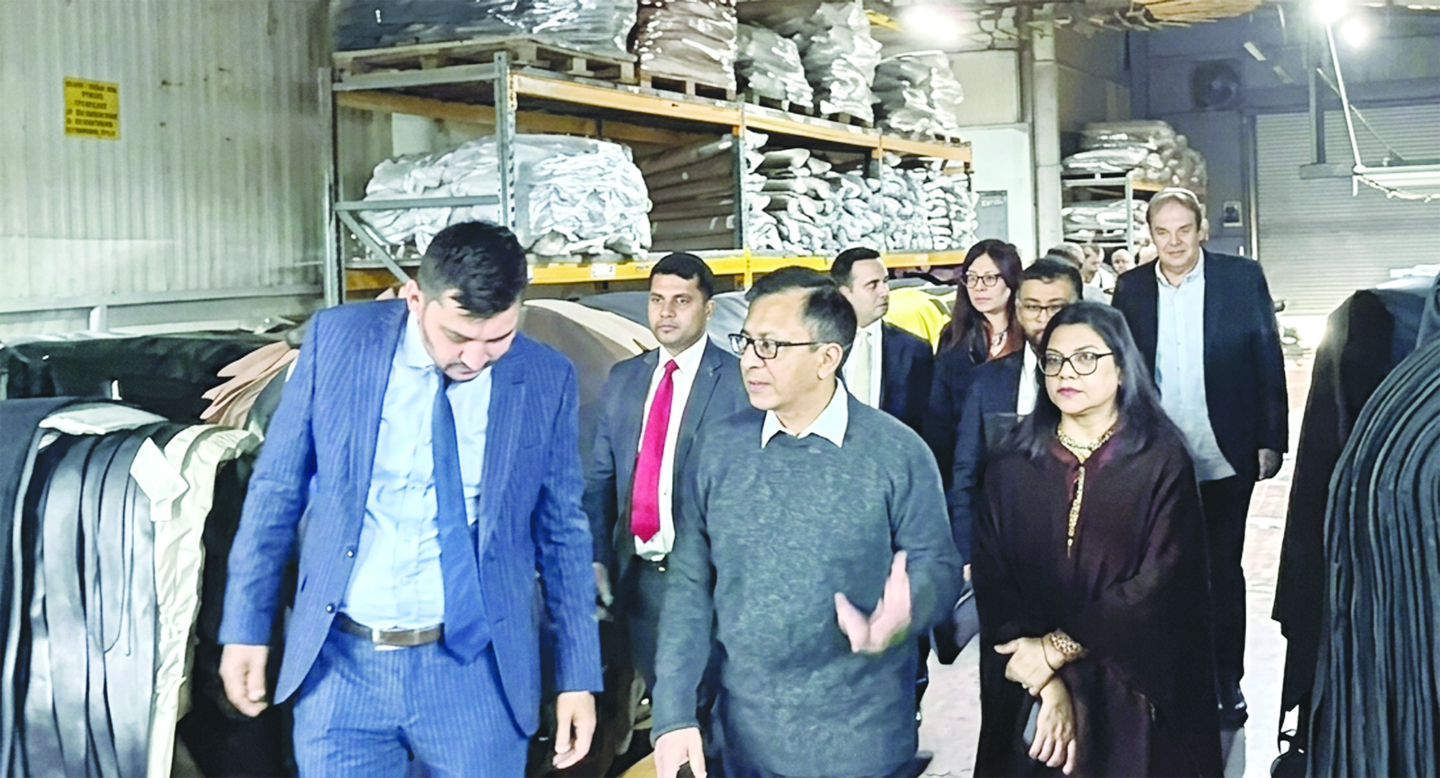
Bangladesh wants to draw on Turkey’s experience in generating electricity from urban and industrial waste and modernising its leather industry.
As part of the effort, Commerce and Industry Minister Khandakar Abdul Muktadir visited several key facilities in Istanbul on November 4-5 to learn about their technologies, operational systems and industrial infrastructure.
The visits highlighted opportunities for technical cooperation, training, technology transfer and investment partnerships, according to a press release issued by the Ministry of Commerce on Friday.
On November 4, the minister visited the waste incineration and power generation plant of the Istanbul Metropolitan Municipality, where senior officials explained the processes involved in treating household waste and generating electricity from it.
The facility, operated by ?STAÇ, has the capacity to process 3,000 tonnes of waste daily and an installed power generation capacity of 85 megawatts.
Such technology could help improve waste management in Bangladesh’s cities and reduce pressure on landfills, although its adoption would require assessments of local conditions, economic viability and environmental requirements.
On the same day, Muktadir visited the Istanbul Leather Organised Industrial Zone (?DOSB) in Tuzla.
Its Chairman Celal Kopuz, representatives of the industrial zone and two officials from Turkey’s Ministry of Industry and Technology briefed him on its operations and economic contribution.
They highlighted the role of planned industrial zones, shared infrastructure and centralised wastewater treatment facilities in leather production.
The experience could help Bangladesh modernise its leather industrial estates, improve compliance with environmental standards and enhance production efficiency.
The minister later visited the factory of Cevahir Leather Industry and Trade Company Limited, where he observed the different stages of turning raw hides into finished leather.
He also learned about leather processing, tanning and finishing technologies, as well as the production of leather suitable for footwear and other products.
On November 5, Muktadir visited the Energram Thermal Disposal Facility in ile, where hazardous industrial waste is treated through thermal processes and electricity is generated.
The facility is operated by Energram under a build-operate-transfer (BOT) arrangement within STAÇ’s integrated waste management framework. It has an annual industrial waste treatment capacity of 33,000 tonnes and an installed power generation capacity of 5.6 megawatts.