National Budget Discussion: Calls for Effective Measures to Ease Economic Strain

Business Report:
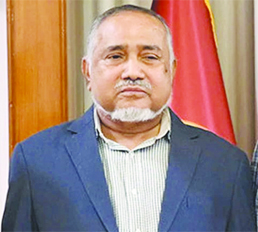
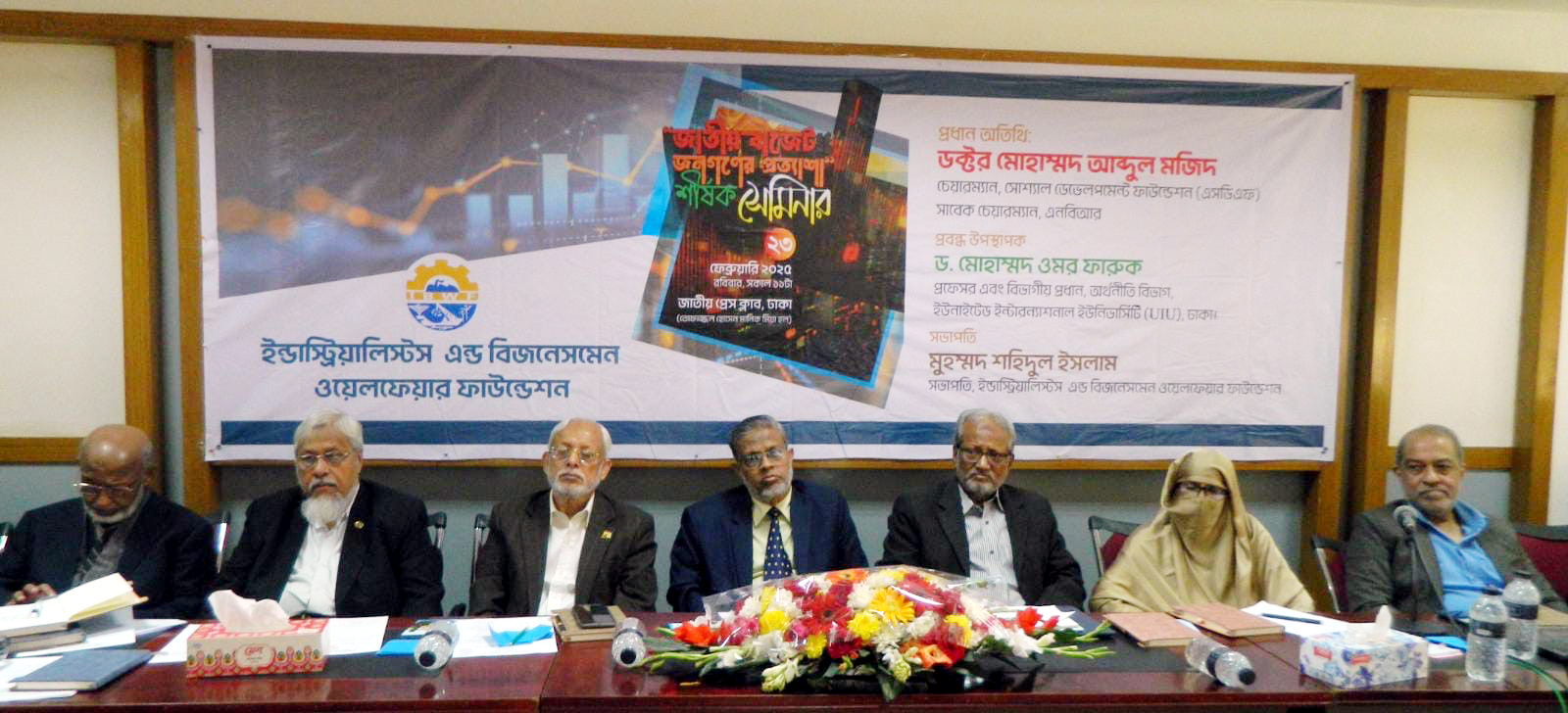
The fragile state of the economy is putting pressure on ordinary citizens, said Dr. Mohammad Abdul Mazid, Chairman of the Social Development Foundation. He stated that the government’s excessive spending directly affects the public. He made these remarks on Sunday at a seminar titled “National Budget: Public Expectations” organized by the Industrialists and Businessmen Welfare Foundation (IBDWF) at the National Press Club.
Emphasis on the Proper Utilization of Zakat Dr. Mazid highlighted the importance of an effective Zakat system, stating, “If Zakat is properly implemented, the underprivileged will receive significant benefits. The government should encourage everyone to contribute accurately.”
He also urged people to reduce unnecessary expenditures to maintain economic balance. Proposals for Controlling Inflation and Industrial Growth Speakers at the seminar emphasized the necessity of controlling inflation by eliminating extortion and price syndicates.
They asserted that the development of the industrial sector is the only way to revive the economy. Key challenges faced by business owners include:
• Excessive taxation and VAT burden
• High-interest rates on bank loans
• Complex import procedures
• Corruption in customs administration
• High energy and fuel costs
The seminar, presided over by IBDWF President Md. Shahidul Islam, was attended by: Former FBCCI Vice President Abul Kashem Haider, BKMEA President Mohammad Hatem, Former NBR Members Parsa Begum and Nasir Uddin, BARVIDA Chairman and Managing Director of Haq’s Bay Automobiles Ltd. Abdul Haque, President of Bangladesh Association of Pharmaceutical Industries Md. Mofizur Rahman, IBDWF General Secretary Dr. Anwarul Azim, Proposed Economic Reforms and Demands. Speakers outlined several policy reforms to resolve business challenges.
Their primary demands include: Tax and VAT Policy Reforms: Reduce the excessive tax and VAT burden on businesses, Eliminate advance tax and VAT on imports. Banking Sector Reforms: Reduce loan interest rates to a reasonable level, Provide easy loan facilities for SMEs. Reduction in Energy Costs: Ensure reasonable electricity and gas prices for industries.
Balancing Export and Import: Align customs valuation with international market prices. Reduce VAT and tax on raw material imports to protect domestic industries.
Urgent Need for Food Security and Social Safety Programs: The speakers also expressed concern over food security and urged the government to eliminate syndicates to ensure fair prices for farmers and reduce taxes on agricultural inputs.
Additionally, they called for expanding social safety net programs, improving healthcare services, and creating employment opportunities for sustainable economic growth. Speakers at the seminar concluded that industrial development, tax system reforms, and stability in the banking sector are crucial for economic recovery. They urged the government to incorporate these recommendations into the upcoming budget to create a balanced and people-centric financial plan.