


Beyond the Audit: Making forensic accounting a pillar of good governance

Wherever wealth, power and opportunity comes, there is a risk that trust will be abused. Financial fraud is treated in manifolds as a modern problem—one creates of complex corporations, digital transactions and global markets.
Yet the temptation to conceal, divert or misuse resources is as old as organized society itself. From the storehouses of ancient Egypt to the trading schemes of eighteenth-century Britain, history offers a consistent warning: when financial power is not matched by accountability, public wealth and confidence are put at risk.
That warning is especially relevant today. Businesses and governments operate through increasingly intricate networks of transactions, subsidiaries, suppliers and financial instruments.
Traditional audits remain essential, but they may not be enough on their own. Forensic accounting—an investigative discipline that examines financial records for evidence of wrongdoing—can help organizations detect irregularities, establish what happened and strengthen the controls that prevent future harm. It should not be seen simply as a response to scandal, but as a vital part of responsible governance.
An old problem in new forms
The need to oversee public resources is not new. Ancient rulers understood that wealth held in royal treasuries and state granaries could be lost through theft, mismanagement or abuse of authority. The officials in ancient Egypt monitored the collection and storage of gold, grain and other assets.
Though their methods were far removed from modern accounting, their purpose was familiar: to keep records, identify discrepancies and protect resources entrusted to them.
The lesson is not that modern financial systems are equivalent to ancient treasuries. It is that societies have long recognized a basic principle: where resources are concentrated, oversight is a very important issue.
Records must be reliable, responsibilities clear and those who handle assets answerable for their actions. Without those safeguards, even a well-designed system can become vulnerable.
Centuries later, the South Sea Bubble demonstrated how a failure of accountability can spread far beyond one company.
Established in 1711, the South Sea Company promised profitable trade with Spanish South America. In practice, war and logistical obstacles restricted its commercial prospects.
The company’s later plan to assume a large portion of Britain’s government debt helped fuel extraordinary expectations among investors. By 1720, share prices had surged amid speculation, rumor and confidence that proved detached from the company’s actual business.
The collapse devastated investors and exposed serious questions about the conduct of company directors and their political associates. The inquiry associated with Charles Snell helped draw attention to the importance of independent examination of corporate accounts. The episode is often remembered as a spectacular market bubble, but its deeper lesson is about the danger of allowing prestige, political influence and public excitement to substitute for evidence.
No institution—however powerful, popular or politically connected—should be exempted from scrutiny. When financial claims cannot be independently tested, confidence becomes speculation.
And when that confidence breaks, the damage is borne not only by executives or shareholders, but also by employees, creditors, communities and the wider economy.
Fraud is deliberate, and its costs are widespread
Accounting mistakes and fraud should not be confused. Errors may arise from poor training, unclear procedures or inadequate systems.
Fraud, by contrast, involves deliberate deception for personal or organizational gain. It may take the form of falsified documents, concealed liabilities, manipulated financial results, bribery, procurement abuse or the misappropriation of assets.
The consequences extend well beyond the amount stolen. Fraud can undermine confidence in companies and markets, discourage investment, put jobs at risk and weaken the reliability of information used by lenders, investors and policymakers. If financial statements are misleading, decisions based on them may be flawed. The cost is therefore not merely a line item in an organization’s accounts; it is a loss of trust.
Fraud triangle
Fraud is often explained through the Fraud Triangle: pressure, opportunity and rationalization. Pressure may come from debt, personal financial problems, unrealistic performance targets or fear of failure.
Opportunity exists where controls are weak, duties are poorly divided, transactions go unchecked or individuals can override procedures without challenge. Rationalization allows a person to excuse the wrongdoing—perhaps by describing theft as a temporary loan, claiming entitlement or insisting that “everyone does it.”
This framework is useful because it directs attention beyond the individual offender. Organizations cannot control every private pressure, but they can reduce opportunities for misconduct and challenge cultures that make rationalization easier. Unrealistic targets, unquestioned authority and a tolerance for small ethical breaches can all create conditions in which serious fraud becomes more likely.
The South Asian challenge
Across South Asia, including Bangladesh, the gap between formal policy and effective enforcement remains a concern in many settings. Rules may exist on paper, yet their impact depends on whether they are applied consistently. Nepotism, favoritism and informal networks can blur accountability, particularly when personal loyalty is treated as more important than professional duty. Employees may hesitate to question decisions if they believe that influential individuals are protected.
The greatest danger is the normalization of misconduct. When people repeatedly hear that irregularities are simply “how the system works,” ethical standards begin to appear impractical or even naïve. Such attitudes can weaken institutions from within. A policy manual cannot overcome a workplace culture that rewards results regardless of how they are achieved, or that punishes those who raise legitimate concerns.
Leadership is therefore decisive. A “tone at the top” is not established by speeches or posters. It is demonstrated when senior officials disclose conflicts of interest, respect controls, accept independent scrutiny and face consequences for misconduct. Rules must apply equally to the junior employee and the most senior executive. If leaders can bypass procedures without explanation, the message is clear: accountability is optional.
Beyond the annual audit
An annual audit is an important safeguard, but it is not a guarantee that fraud will be prevented or discovered. Audits typically examine financial information within a defined scope and period. A forensic accounting review may be needed when warning signs emerge, when allegations require investigation or when an organization needs to understand how a control failure occurred.
Trust is the real asset
Forensic accounting is sometimes viewed as a specialist tool used after money has disappeared. That view is too narrow. It can help reconstruct transactions, assess evidence and support a fair investigation, but its broader value lies in deterrence and prevention. When employees and executives know that records are scrutinized, controls are meaningful and misconduct will be investigated without fear or favor, the opportunity for fraud can be reduced.
From ancient storehouses to modern boardrooms, the essential challenge has remained the same: how can society ensure that those entrusted with resources use them honestly? The answer is not suspicion of everyone, nor paperwork for its own sake. It is a balanced commitment to transparent records, independent oversight, responsible leadership and protection for those who speak up.
The South Sea Bubble reminds us that confidence built on appearances cannot endure. The same is true of any organization that treats accountability as an obstacle rather than a foundation. Forensic accounting cannot replace integrity, sound governance or the rule of law. But it can help reveal when those principles have been violated—and make it harder for deception to remain hidden.
The question for today’s businesses and public institutions is not whether fraud can be eliminated entirely. It is whether they are willing to reduce the pressures, close the opportunities and challenge the rationalizations that allow it to flourish. We must remember, protecting financial resources matters, but safeguarding the public’s trust in the institutions that manage them matters even more.
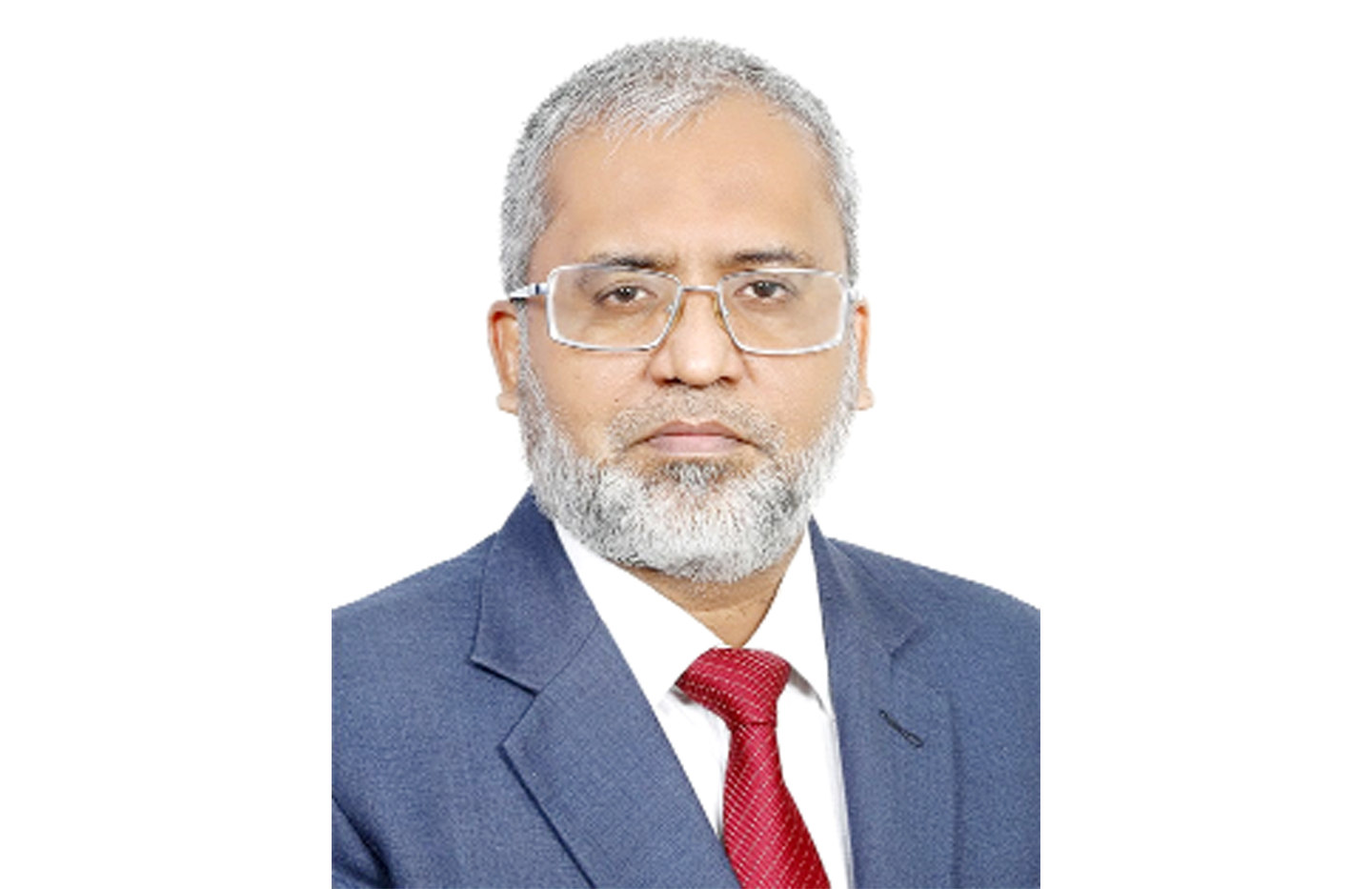
(The author is the Managing Director and CEO of NRBC Bank. He is a fellow cost & management accountant and also a certified professional forensic accountant )