



AL violence targets Grameen Bank

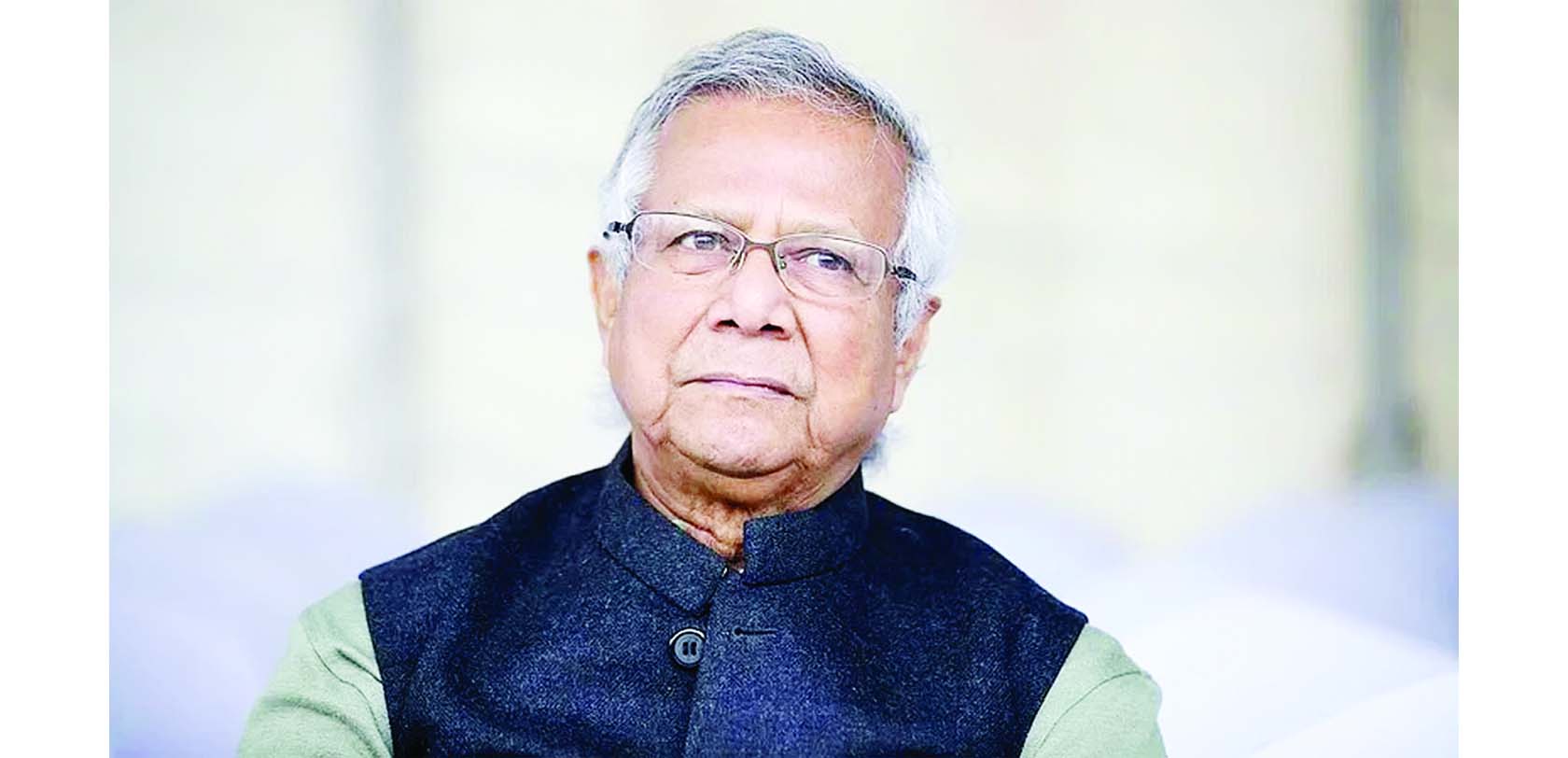
Nobel laureate Professor Muhammad Yunus has called for an immediate end to a series of arson attacks on Grameen Bank branches, accusing suspected activists of the banned Awami League (AL) of carrying out politically motivated violence and urging authorities to bring those responsible to justice.
In a statement posted on his verified Facebook account on Monday, the former interim government chief adviser said the attacks were being accompanied by slogans and propaganda aimed at justifying the violence and discrediting the institution.
He described the incidents as an assault not only on a pioneering global institution but also on millions of poor women who own the bank.
” We must protect Grameen Bank, the bank of poor women,” he said, urging people who understand the institution’s contribution to poverty reduction to speak out against the perpetrators.
Referring to what he described as a series of planned arson and terror attacks across Bangladesh in recent days, Yunus said local media reports had implicated suspected activists of the banned Awami League.
He also disclosed that his family home in Chattogram had been targeted. His two younger brothers and their families live in the house, from where he began the work that eventually led to the establishment of Grameen Bank.
However, he said the sustained attacks on Grameen Bank were particularly alarming and tragic, given the institution’s international recognition and its role in supporting disadvantaged women.
Grameen Bank, owned primarily by its poor borrowers, particularly women, received the Nobel Peace Prize 20 years ago. Bangladesh is marking the 50th anniversary of the bank’s founding and the 20th anniversary of the award this year.
Yunus, who shared the 2006 Nobel Peace Prize with Grameen Bank, said its microcredit model had been adopted in numerous countries and was internationally recognised as an effective means of helping people escape poverty.
He said the bank enabled women to overcome economic hardship, live with dignity, participate in economic activities and provide education for their children.
According to him, women account for 97 per cent of Grameen Bank’s 11 million borrowers, while its loan recovery rate exceeds 95 per cent. These borrowers own the bank, making attacks on the institution a direct threat to their security, economic freedom and their children’s future.
Yunus alleged that Grameen Bank branches had been subjected to petrol bomb attacks almost daily since the beginning of November, with attackers reportedly chanting the slogan “Joy Bangla”.
He said around 100 branches across the country had come under similar attacks during November alone. The recurring pattern, he added, suggested that those carrying out the attacks might be acting on instructions from higher quarters.
He expressed concern that people were being mobilised to destroy an institution that belonged to their own disadvantaged neighbours – women who had borrowed money to run small businesses and were also entitled to dividends from the bank’s profits.
In several incidents, dedicated bank officials and borrowers narrowly escaped potentially fatal attacks, he said, adding that the violence had created widespread fear among millions of rural women who depended on the institution to support their families, educate their children and meet everyday needs.
The former chief adviser said the violence was not limited to Grameen Bank. The home of MP Nusrat Tabassum, who played a leading role in the July mass uprising, had also been set on fire.
The residences of three BNP MPs and three police stations had reportedly come under arson attacks as part of the same wave of violence.
Yunus also rejected allegations that he owned or controlled Grameen Bank, describing them as false propaganda being circulated to justify the attacks.
” In fact, borrowers own 90 per cent of the bank’s shares. The government owns the remaining 10 per cent,” he said.
He recalled that the Awami League government had removed him from the post of managing director of Grameen Bank in 2011, after which he had no involvement in the institution’s management or operations.
“I do not own any share of Grameen Bank, nor did I ever,” he said.
Yunus said Grameen Bank had formally approached the Ministry of Home Affairs seeking enhanced security to protect its 11 million owners, officials and employees, as well as important documents, so that its services to poor women could continue without disruption.
He stressed the need for effective security measures and action by law enforcement agencies under the country’s existing laws.
“I thank the authorities for taking swift action wherever attacks have occurred. At the same time, I urge that every perpetrator be brought to justice as quickly as possible,” he said.
Yunus also appealed to Grameen Bank’s supporters and well-wishers around the world to help restore sanity among those he accused of planning and orchestrating the attacks at higher levels.