


Microsoft services hit by worldwide outage

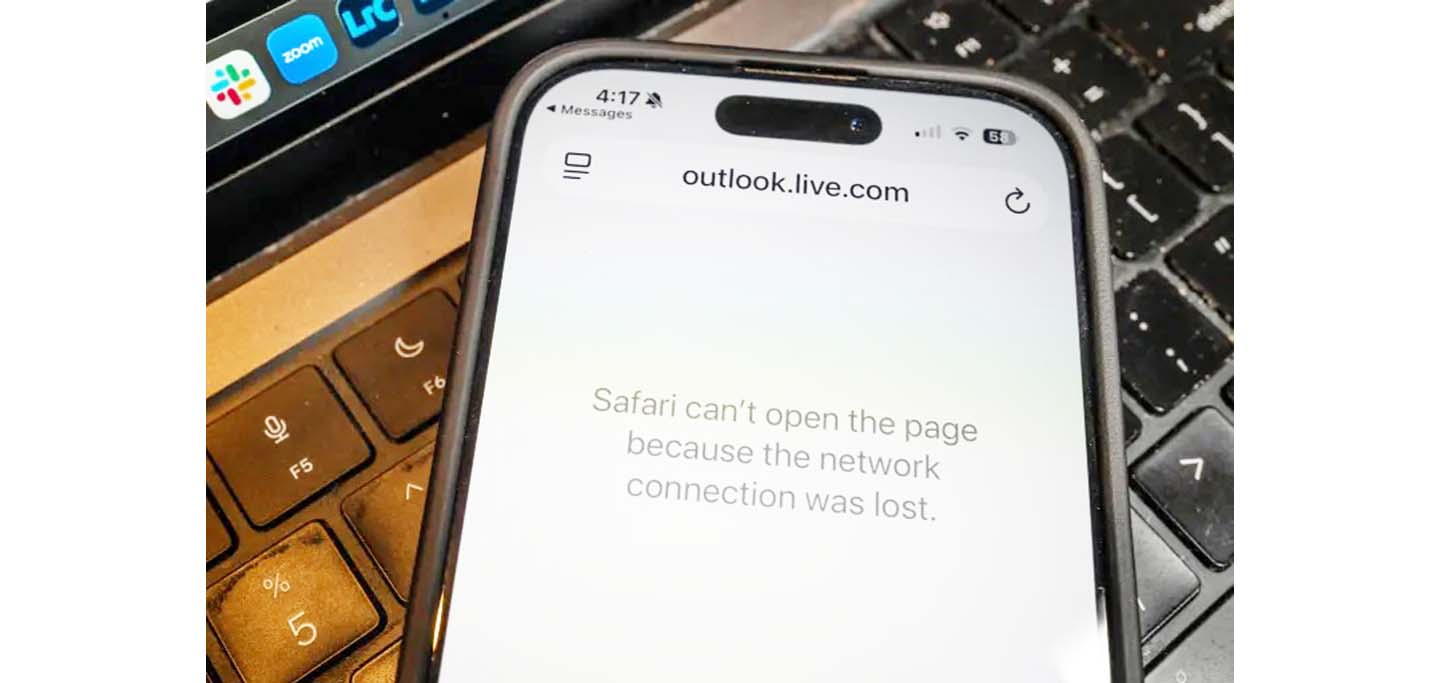
Microsoft says it has had only “marginal success” in restoring its most widely used workplace services, more than 12 hours after a global outage knocked out Outlook and disrupted Teams and Copilot for users in 74 countries.
In a statement on its service health page early on Friday, the company said it was monitoring activity across regions to assess server status and find ways to improve capacity.
“This includes reviewing server performance and confirming that developed patches have been applied and working as intended after infrastructure reboots are completed,” it said.
Here is what we know about the outage, what caused it and when services might return.
Problems with Microsoft products began at about 16:00 GMT on Thursday, when users began reporting that they could not access Outlook, its email platform.
Within about an hour, the outage tracker Downdetector had logged reports from 74 countries and territories.
Microsoft first said it was investigating problems in the Americas, but later confirmed that users in any region could be affected.
It said the affected infrastructure was experiencing elevated load across multiple regions, which was likely contributing to the connectivity errors.
The company later said a number of servers had become unexpectedly unavailable, and that the elevated load had not been caused by an increase in traffic.
The disruption dragged on through the US working day and into the night. By Friday morning in Europe, it had still not been resolved, and servers Microsoft had restored were failing again.
“I don’t think it’s unprecedented. I mean, the scale is impressive,” Rupert Goodwins, a technology analyst and journalist, told Al Jazeera. “It’s very embarrassing for Microsoft and really, really annoying for the rest of us.”
Microsoft has not confirmed the number of users who have been affected.
Data from Downdetector, through which users can report problems with online services, gives a partial picture, however.
At about 07:00 GMT on Friday, it had received at least 43,000 reports of problems with Outlook from users in 72 countries.
The true number is likely far higher, since the figure only counts people who visit the site to report an issue.
“There’s about 430 million people who use Microsoft services,” said Walter Pasquarelli, an affiliate researcher at the Bennett School of Public Policy at the University of Cambridge and an AI specialist.
“What we do know so far is that this is first and foremost a communication risk.”
Government systems in Singapore and Japan have been disrupted, as have communications at the Supreme Court of the Philippines. In Australia, the country’s spy agency and federal police were among the organisations hit.
Outlook has been hit hardest. Users have reported being unable to open their mailboxes via the web, the app or through mobile devices, and many emails which do go through have arrived late.
Other services have been partly disrupted. The disruption has spread beyond Microsoft’s own products, hitting integrations which other companies, including the AI firms OpenAI and Anthropic, rely on.
“For the most part, we don’t really think about it too much, a little bit like our health, that we kind of take these tools for granted until they’re suddenly down or they’re not there,” Pasquarelli said.
Microsoft has not published a root cause but said the outage was not the result of a cyberattack.
On Friday, it was rolling back a network change, but did not say if that change was to blame for the problems.
“We will continue to share more information as soon as we have it, and for now I can confirm that there is no indication this is the result of malicious or cyber activity,” Charles Lamanna, Microsoft’s executive vice president of Copilot, Agents and Platform, said in a post on X late on Thursday.