Investment drought to ease after national election: Experts


Staff Reporter:
Business leaders and economists have stressed that political stability and a long-term, investment-friendly plan from the next elected government are essential to revive the economy and restore investor confidence. They believe that ensuring a credible election on time and forming an elected government will send a positive signal to both local and foreign investors about political and economic stability in Bangladesh.
They also suggested formulating a five-year action plan to boost industrial investment and outline sectoral priorities. Such a plan would provide clarity about policy continuity, helping investors make informed, long-term decisions.
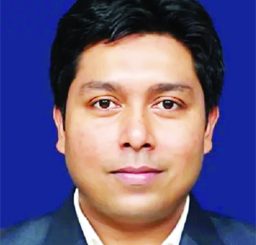
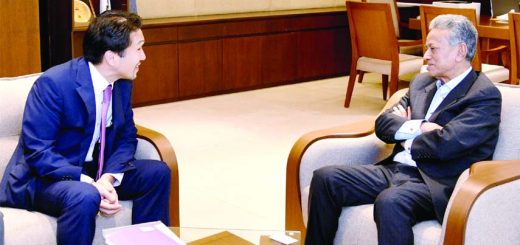
Economist and CPD fellow Dr Debapriya Bhattacharya, FBCCI presidential candidate Shawkat Aziz Russell, and vice-presidential candidate Sakif Shamim, also Deputy Managing Director of LabAid Group, shared their views on investment, employment, and political stability in recent interviews.
Dr Debapriya Bhattacharya noted that the caretaker government could not deliver on its reform pledges, as bureaucratic inertia held back key initiatives such as the economic white paper and reform task forces. “Those promises must now be reflected in the election manifestos, and the new government should ensure their continuity,” he said.
He added that while the country has seen visible infrastructural development, it lacked parallel progress in human capital.
Shawkat Aziz Russell argued that “economic recovery and business freedom depend on a national election.” According to him, the caretaker administration has failed to deliver the expected reforms, and the business environment remains stagnant. “Without an elected government, neither the business climate will improve nor will the economy regain momentum,” he said.
Russell also urged that key issues like LDC graduation and labour law reforms should be handled by an elected government.
Criticizing governance failures, he said: “The government talks big about foreign investment, but who will invest in a country where airports catch fire? We must fix the basics first.” He urged priority gas connections for industries and a $500 million export incentive package.
Sakif Shamim emphasized that both local and foreign investment require a stable and transparent political climate. “Investors need predictability and continuity in policy,” he said, warning that frequent changes in investment policy, bureaucratic delays, and weak financial governance undermine investor confidence.
He highlighted the need to strengthen the public-private partnership (PPP) framework, increase research funding, lower bank interest rates and port charges, and eliminate bureaucratic red tape. “Even after the introduction of the One-Stop Service, getting 27-28 licenses to open a hospital still takes years,” he said.
Citing Bangladesh Bank data, Shamim noted that FDI fell by 71% in the last half of the previous year, though it improved slightly in early 2025. “Many local and foreign investors are waiting for political stability before committing capital,” he said.
He concluded: “A stable, elected government will bring predictability, restore investor trust, and help drive long-term economic growth. Once investment increases, employment will rise, inflation will ease, and government revenues will grow. Stability is the foundation of sustainable development.”
In summary, the experts agreed that the next elected government must prioritize reform, governance, and stability to unlock Bangladesh’s investment potential and restore business confidence.