Rights groups urge PM to prioritise human rights

A coalition of nine international human rights organisations has called on Bangladesh’s newly elected Prime Minister, Tarique Rahman, to undertake wide-ranging reforms to address what they described as “urgent human rights challenges” facing the country.
The organisations in a joint letter dated March 12 said Rahman’s election victory offers an opportunity to turn the page on decades of systemic abuses and strengthen democratic institutions.
The letter was signed by Amnesty International, ARTICLE 19, Committee to Protect Journalists, CIVICUS, International Federation for Human Rights, Fortify Rights, Human Rights Watch, Robert F. Kennedy Human Rights, and Tech Global Institute.
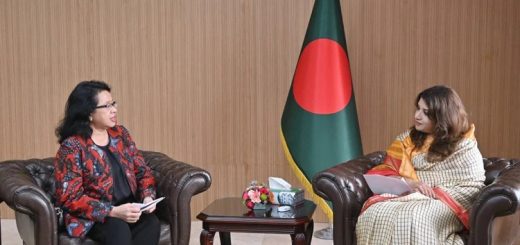
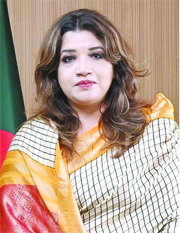
Meanwhile, in response to the letter, State Minister for Foreign Affairs Shama Obaed Islam on Monday reaffirmed the government’s commitment to protecting human rights, noting that the country has experienced repeated violations over the past 17 years.
“We have witnessed repeated human rights violations across various sectors during the last 17 years,” she told reporters at the Ministry of Foreign Affairs on Monday.
The State Minister also highlighted that the Bangladesh Nationalist Party (BNP) has established a “humane government” and reiterated its dedication to safeguarding human rights.
“BNP has historically worked to protect and strengthen human rights, and the government will continue its efforts to reinforce these protections in the future,” she said in response to a letter sent by several international human rights organizations to Prime Minister Tarique Rahman.
The nine organisations said Rahman is assuming office amid “great challenges” and significant economic and geopolitical pressures, but stressed that the transition presents a rare chance to build accountability and strengthen rights protections.
A key demand in the letter is accountability for past violations during the rule of former Prime Minister Sheikh Hasina.
According to findings by a commission established by the interim government, at least 1,569 people were subjected to enforced disappearance during the previous administration.
Families of at least 287 individuals who remain missing are still awaiting answers, the groups said.
The organisations also cited a United Nations fact-finding report that estimated around 1,400 people were killed during the 2024 protests that ultimately led to Hasina’s removal from power.
They urged Rahman’s government to carry out independent and credible investigations and to prosecute those responsible through fair trials.
The letter also raised concerns about threats to free expression. Although the climate has improved since the political transition, journalists, writers and artists continue to face intimidation, legal harassment and mob attacks, the organisations said.
They called for thorough investigations into attacks on media outlets and cultural institutions, including the offices of Prothom Alo, The Daily Star and the cultural organisation Chhayanaut.
The coalition urged the government to dismiss cases filed under controversial laws such as the Information and Communication Technology Act, the Digital Security Act and the Cyber Security Act when those cases restrict legitimate expression.
The organisations also pressed for major reforms within the security sector. Among their recommendations were dismantling the controversial Rapid Action Battalion and ending the militarisation of the Chittagong Hill Tracts.
They further called for repealing or amending laws frequently used to justify arbitrary detention, including the Special Powers Act and the Anti-Terrorism Act.
The coalition also recommended that Bangladesh introduce an official moratorium on executions as a step toward abolishing the death penalty.
The letter highlighted concerns about rising mob violence and urged the government to ensure the protection of religious and ethnic minorities, including Hindus and Ahmadis.
The organisations also addressed the situation of roughly 1.2 million Rohingya refugees living in Bangladesh.
While welcoming Rahman’s statement that the refugees could remain until it is safe for them to return to Myanmar, the groups called for the closure of the island camp at Bhasan Char and the voluntary relocation of refugees to mainland settlements.
The coalition also urged the government to follow through on socio-economic pledges made during the election campaign.
These include raising education spending to five percent of GDP, expanding public health services and establishing a universal social protection system.
The organisations concluded the letter by offering to work with the new government to support reforms, saying the measures outlined are essential to ensuring the rights and dignity of all people in Bangladesh.