Prof Israfil Shaheen envisions folk arts integration thru advanced public transport system

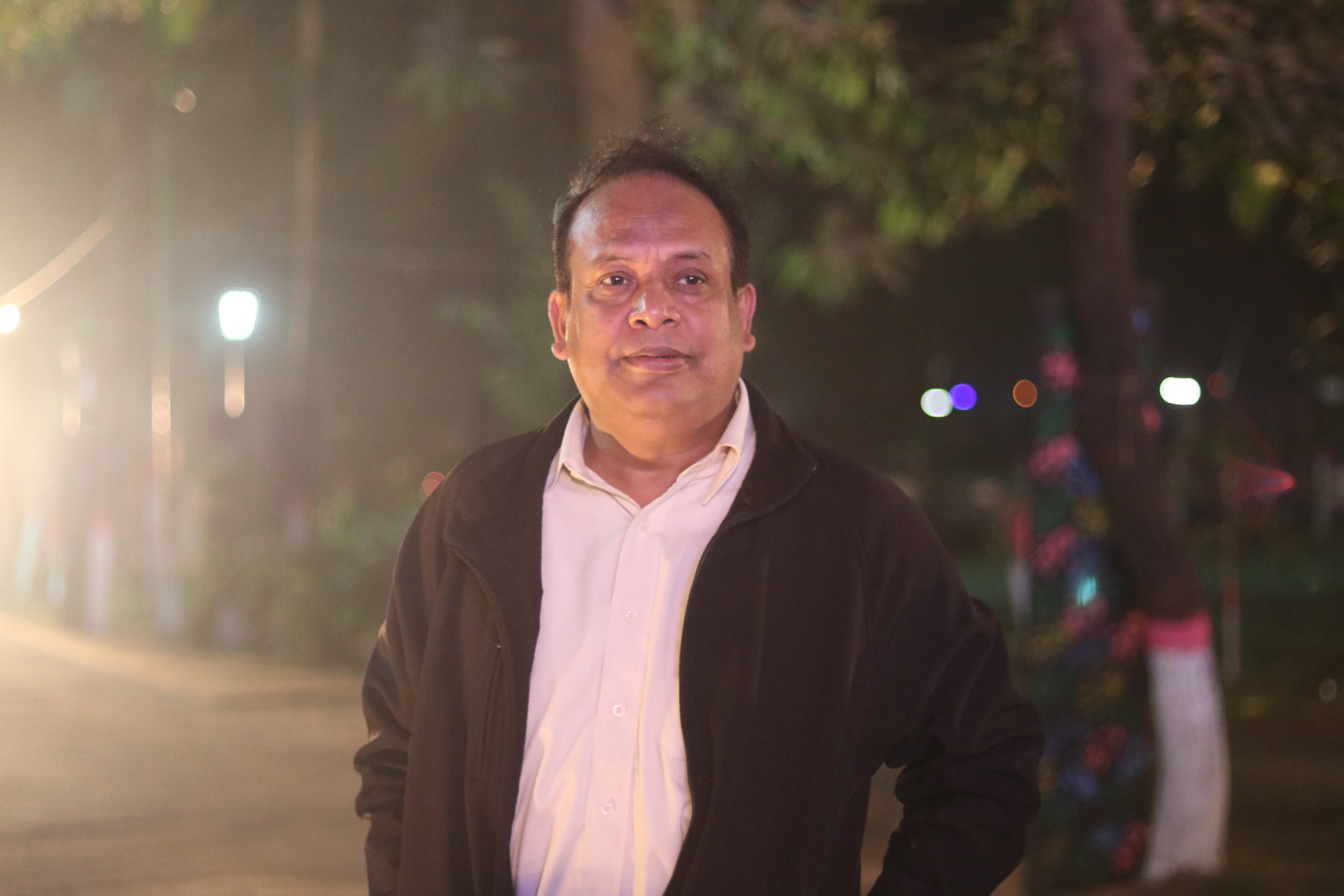
A leading cultural expert and advocate for traditional arts, Professor Israfil Shaheen, paid a courtesy call on Minister for Road Transport and Bridges, Railways, and Shipping, Sheikh Rabiul Alam,, to discuss an innovative initiative aimed at integrating Bangladesh’s folk and traditional arts into the nation’s railway and river transport systems.
During the discussion, Professor Shaheen emphasised the potential of public transportation as a platform for cultural revival. “Using trains and river vessels for live folk performances can transform routine travel into a meaningful cultural experience,” he said. “This initiative will not only enhance the passenger experience but also strengthen Bangladesh’s global cultural presence while supporting the livelihoods of folk artists, he added.”
The proposed initiative envisions short performances by folk artists on railway platforms, inside train compartments, and on river launches. Passengers may experience Baul and Bhatiyali music, puppet theatre, mime, storytelling, and regional folk performances during their journeys. In addition to entertainment, performances may incorporate public awareness themes, including environmental protection, river conservation, public health, anti-corruption initiatives, and the Sustainable Development Goals.
Professor Shaheen outlined plans to establish a national database of folk artists, provide training workshops, and offer stipends or performance-based honorariums to participating performers. Pilot programs are proposed on selected railway and river routes, such as Dhaka–Barisal, Dhaka–Chandpur, and Khulna–Barguna, to test feasibility and passenger engagement before nationwide implementation.
Minister Sheikh Rabiul Alam welcomed the initiative, noting, “Bangladesh’s rich cultural heritage is a national treasure. Integrating it with our public transport networks is a forward-thinking approach that benefits both passengers and artists, and we look forward to exploring the potential of this program.”
The initiative also includes plans to document performances through high-quality audio-visual recordings, creating a digital archive accessible to researchers, cultural institutions, and future generations. By combining transport infrastructure with cultural programming, the programme aims to preserve endangered folk traditions, generate sustainable employment for artists, and showcase Bangladesh’s living heritage to domestic and international audiences.