ICT-2 to deliver verdict in Abu Sayed killing case on April 9
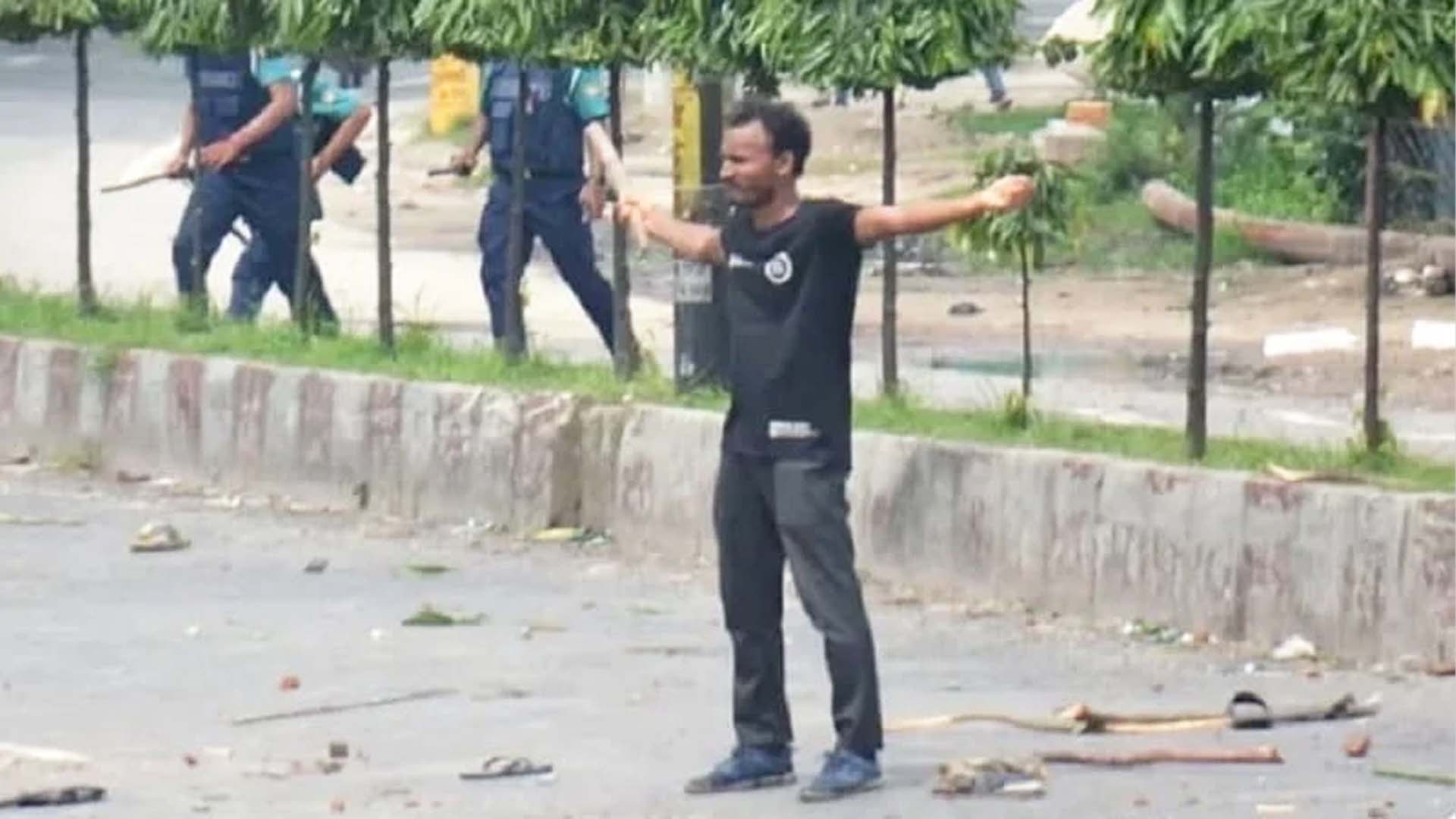
The International Crimes Tribunal (ICT)-2 today fixed April 9 for delivering its verdict in a crime against humanity case filed over the killing of Begum Rokeya University, Rangpur (BRUR) student Abu Sayed during the July Mass Uprising.
The three-member tribunal headed by Justice Nazrul Islam Mazumder set the date through a short order this morning. News BSS
On January 27, the tribunal kept the case under CAV (curia advisari vult), a Latin legal term meaning the court awaits its verdict, after concluding the hearing.
Earlier, on January 25, the prosecution sought the maximum punishment for the accused, while the defence pleaded for their acquittal.
The then Chief Prosecutor Muhammad Tajul Islam, Senior Prosecutor Mizanul Islam and Prosecutor Gazi MH Tamim appeared for the prosecution.
Advocate Aminul Gani Tito represented former BRUR proctor Shariful Islam, while Advocate Sujad Miah acted as state-appointed defence counsel for the fugitive accused.
Six of the 30 accused were produced before the tribunal at the last hearing.
They are former BRUR proctor Shariful Islam, former assistant registrar Rafiul Hasan Russel, former staffer Md Anwar Pervej, former assistant sub-inspector Amir Hossain, former constable Sujan Chandra Roy and former BRUR Chhatra League general secretary Imran Chowdhury Akash.
The tribunal framed charges against all 30 accused on August 6, 2025.
Earlier, on June 30, the ICT-2 issued arrest warrants against 26 fugitives, including former BRUR vice-chancellor Professor Dr Md Hasibur Rashid.
The investigation agency submitted its report on June 24, accusing 30 individuals, including the former commissioner of Rangpur Metropolitan Police.
According to the prosecution, on July 16, 2024, shortly before Abu Sayed’s death, the then proctor allegedly forced students off the campus with the help of Chhatra League activists, after which two policemen reportedly fired at Sayed at close range.
Sayed’s family filed the complaint on January 13, 2025, naming 25 individuals.