Becoming Chinese resonates as cultural interest, not clash
Al Mamun Harun Ur Rashid
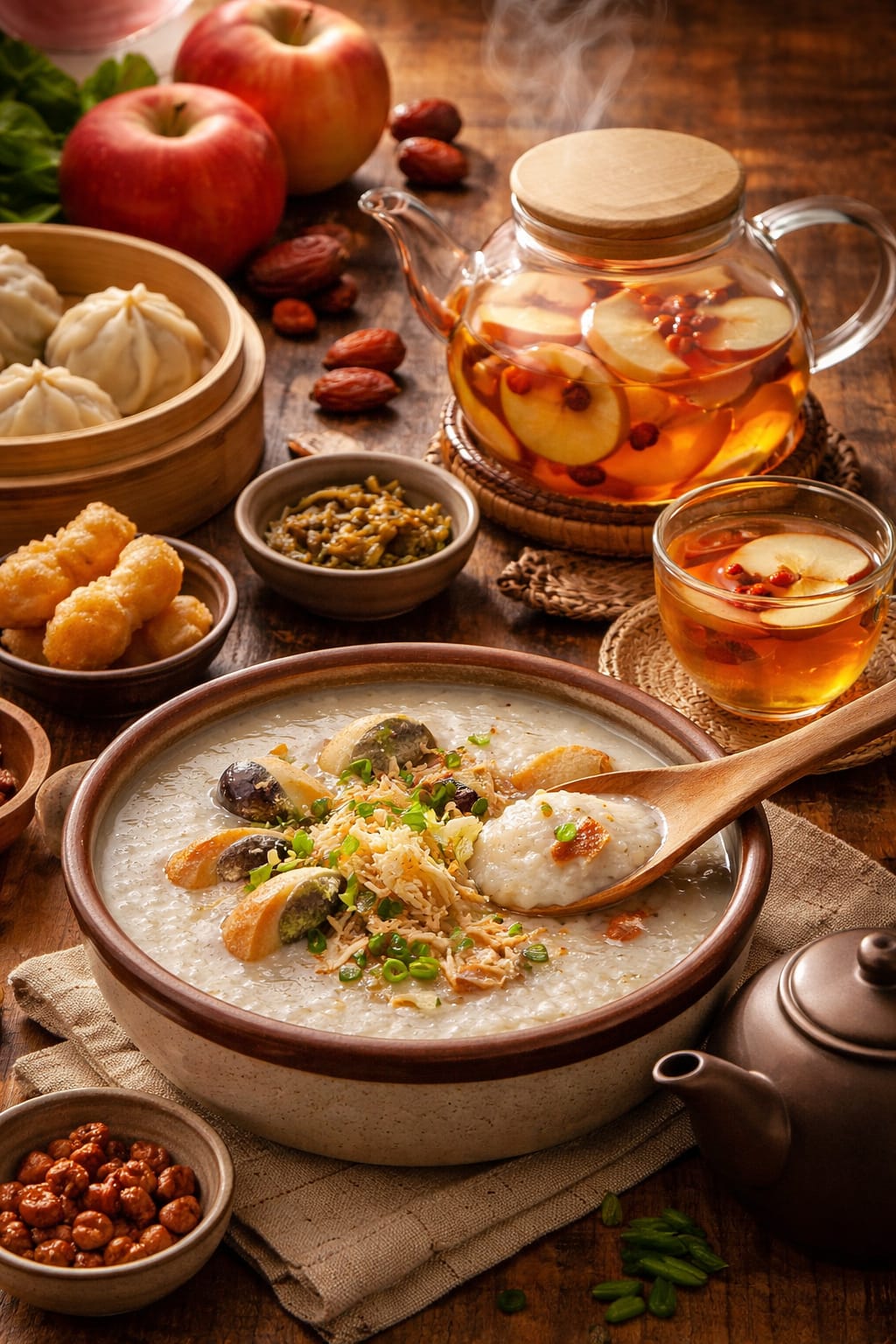
Across the digital landscape, a recent trend has begun taking shape as young people sharing morning rituals of hot water, mastering the art of congee, celebrating Lunar New Year with fresh energy, and earnestly debating whether walking barefoot on cold floors was really a good idea.
This viral phenomenon, known as “Becoming Chinese” or “Chinamaxxing,” represents a seismic shift in how young people in the West engage with a culture that was once often portrayed as strange, threatening, or “other”
Commenting on the recent “Becoming Chinese” trend, TikTok Chinese creator Emma Peng said she has noticed Americans embracing habits like drinking hot water with lemon and honey, eating congee, choosing soup over cold yogurt, and exploring traditional Chinese medicine. “My culture can be your culture,” she said on TikTok, adding, “I am so glad I met you at such a Chinese stage of your life.”
Scroll through TikTok or Instagram, you’ll see young Western influencers trying out daily Chinese habits, even joking that they’re “entering their Chinese era” by choosing warm tea over iced drinks.
Twenty-three-year-old Chinese American content creator Sherry Zhu says, “I tell you to drink your hot water, I tell you to wear the house slippers. This is part of the culture.” Thousands of comments describe improved digestion, better sleep and a surprising sense of comfort.
Food is at the heart of this cultural trend. Hot pot dinners are now popular in cities around the world. Bubble tea shops are common in many European capitals. People are trying recipes like mapo tofu and hand-pulled noodles at home. At the same time, traditional clothing like hanfu is gaining attention at festivals and in online photos.
This is not limited to cuisine or aesthetics. There is also interest in philosophy, wellness and community values. Concepts rooted in Confucian thought such as respect for elders, social harmony and collective responsibility are being discussed in online forums by people who had never previously engaged with Chinese intellectual traditions.
This global shift reflects a deliberate and sophisticated evolution of China’s “cultural soft power”. In his seminal work, “Governance of China”, President Xi Jinping outlines a vision where culture is the “most profound” strength of a nation. He writes, “Chinese culture encompasses the deepest cultural and ethical pursuits of the Chinese nation, nourishing the people for generations”.
Xi underscores that strengthening this soft power is “decisive” for China’s rejuvenation, but he also advocates for a global perspective that respects cultural diversity. In the “Governance of China”, he notes that “because different countries and nations have different historical traditions… their development paths are different”. Far from a one-size-fits-all approach, Xi’s philosophy suggests that China should “make more friends without prejudice” and build global partnerships through cultural exchange.
He argues that core values are the fundamental “soul” of cultural soft power. To Xi, the appeal of a nation depends on the “vitality, cohesion and appeal” of these values. By “telling the true story of China” and presenting a “multi-dimensional and all-round picture,” China seeks to meet the “ever-growing intellectual and cultural needs” of people worldwide, while also “drawing on other cultures”.
Professor Shaoyu Yuan of New York University observes that young audiences are engaging with China through “aesthetics and lifestyle rather than geopolitics.” That shift matters. For decades, much Western discourse framed China primarily as a strategic competitor or security concern. Now, millions encounter it first as a culture.
This trend is not just a Western story. In South Asian countries, including Bangladesh, “Becoming Chinese” is growing through strong economic and educational links. Mandarin classes are filling up at the Confucius Institutes at different universities in Dhaka, as students look for opportunities with Chinese firms. More people are sipping different varieties of Chinese tea, watching Chinese TV contents dubbed in English, and sharing stories from their visits to the Middle Kingdom.
While the trend in Bangladesh is often practical and economic, in the West, it is also viewed as a collective protest by youth against failing domestic systems.
The Spring 2025 Harvard Youth Poll revealed a generation of Americans in crisis: 4 in 10 are “barely getting by” financially, and only 19 per cent trust the federal government. In this context, “Chinamaxxing” becomes a way to daydream about a different kind of modern life – one characterised by safety, community, and stability.
Anthropology-focused social media page AnthroDorphins put it bluntly: “Entering your Chinese era isn’t really about becoming Chinese. It’s more like daydreaming about a different kind of modern life.”
China’s “soft power” has shifted significantly over the past few decades, Anthrodorphins noted, as online video content reshapes perceptions of the country from a source of low-cost manufacturing to a hub of culture, innovation, and modern lifestyles.
Some observers say that when some Western young people adopt parts of the Chinese lifestyle, it shows their frustration with political deadlock and economic problems in their own countries. They are attracted to what they see as China’s ability to make decisions more smoothly and plan for the long term.
The shift carries a different tone here in Bangladesh as well. The country has long absorbed influences from South Asia, the Middle East, and the West. Incorporating Chinese elements feels less like a break and more like a continuation of that open, adaptive tradition.
Researcher Caroline Ouellette says, “When there’s a sudden 180-degree shift and the same cultural markers become trendy, it can feel jarring,”
However, proponents like Sherry Zhu believe these “visible conversations” are a necessary step toward a more welcoming and accepting society. They argue that if someone finds health in a cup of ginger tea or comfort in a bowl of congee, it is a win for cross-cultural understanding.
Chinese culture itself evolved through centuries of exchange along the Silk Road. Buddhism traveled from India into China and reshaped philosophy and art. Islamic influences shaped architecture and cuisine in western provinces. Cultural synthesis is not new; it is the norm.
Whether it’s an American girl boiling apples or students in Dhaka practicing mandarin, they are not declaring allegiance to a foreign power. They are participating in a global conversation.
The Chinese Foreign Ministry has recently welcomed the interest, with spokesperson Lin Jian stating, “We are glad to see more and more foreign friends visit and explore China.” It is a form of cultural exchange that feels natural because it is rooted in the individual’s search for a way of living that feels “warmer, healthier, and more sustainable”.
Ultimately, “Becoming Chinese” may be less about a geopolitical shift and more about a generation of young people realising that the world, a tapestry of diverse paths, is larger than their own backyard. It is a celebration of a world where culture is a bridge, not a barrier.
(The Writer is the Diplomatic Correspondent of the New Nation)