Faith in Humanity: Bridging the Divide Through Religious Unity

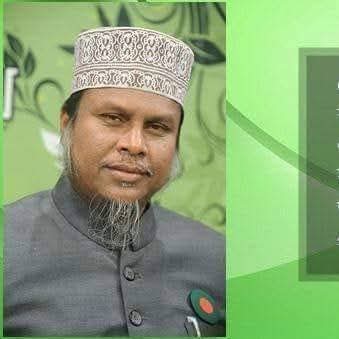
By Dr Mohammad Kafiluddin Sarkar
In an era often marked by division, finding a common ground among diverse faiths has become more critical than ever. We sit down to discuss a profound perspective on how religious differences can be transformed into a foundation for global peace and social stability.
Q: Is unity among multiple religions truly possible in today’s world?
A: Unity in this context refers to oneness and commonality in fundamental humanitarian values. It is about identifying a common ground where all individuals can reach a consensus, regardless of their specific beliefs. This unity is fundamentally rooted in humanitarian principles. Despite differences in rituals, people of various faiths can unite through mutual respect, tolerance, and cooperation.
Q: Does religious unity imply that the differences between various faiths should be erased?
A: Absolutely not. Religious unity does not mean erasing the distinct differences between religions—that is simply not possible. Instead, the most vital aspect is ensuring that religious practices do not become mutually conflicting or sources of friction. The true objective is to engage people of all faiths in the collective mission of enriching and strengthening human society.
Q: Could you provide some practical examples of where this unity can be applied?
A: Consider the defence of one’s country. It is only natural for all citizens, regardless of their religious identity, to stand united to protect their homeland from external threats. In such moments, individuals set aside their ritualistic differences for the common cause of national safety. Historically, Prophet Muhammad (PBUH) built unity with Jews, Christians, and other non-Muslims to secure the state of Madinah10. Today, such unity is essential to stand against injustice and build a society free from crime11.
Q: What are the core pillars that support this interfaith unity?
A: There are several key elements:
• Belief in a Single Creator: Recognising that the universe has a Creator and that all humans share a fundamental origin can be a starting point for unity12.
• Social Solidarity: Assisting the poor, providing medical care, and supporting one another during disasters like floods or famines creates a strong bond among people of different faiths13.
• Collective Effort: For any nation to prosper, the participation of all citizens—regardless of caste, creed, or religion—is indispensable14.
• Universal Humanity: Treating every individual with respect as a human being is a core principle. Religion, language, or culture should not be barriers to standing by someone in their time of joy or sorrow.
Q: How can interfaith harmony be practically established within our communities?
A: It begins with mutual communication and open dialogue16. We must involve people of all religions in social reform and community welfare projects17. It also requires promoting religious tolerance through education and ensuring that no one’s spiritual practices are obstructed18. Ultimately, it is about being compassionate toward all of creation19.
Q: What is the ultimate essence of interfaith harmony?
A: It is the growth of mutual respect and cooperation20. It means being there for one another—supporting the education of children regardless of their community and celebrating collective successes21. By identifying the factors that cause division and choosing dialogue over conflict, we can build a stable and peaceful world for everyone22.
[The writer is an Islamic thinker and researcher. He can be reached at [email protected]]