News Analysis: Parties must not ignore the referendum

Editorial Desk :
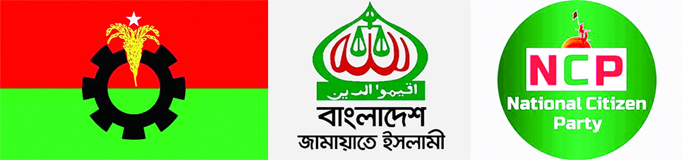
In every election season, politics becomes loud, emotional and fiercely competitive. In Bangladesh, the February election has naturally drawn the attention of all major parties, the media, and the public.
Yet, while the election dominates headlines, another national issue — arguably just as historic — is being quietly pushed aside: the referendum.
A referendum is not an ordinary political event. It is a rare democratic tool through which citizens directly shape the future rules of the state.
Unlike elections, where voters choose who will govern, a referendum can help determine how Bangladesh will be governed—what limits power, what strengthens institutions, and what protections exist for citizens. The truth is simple: elections offer power. Referendums offer reform.
For decades, Bangladesh has suffered from a political culture where parties prioritise winning over strengthening the democratic system.
Elections matter because they decide who controls government, law enforcement, administration, budgets and national direction.
But referendums can introduce reforms that may reduce unchecked authority—such as stronger judicial independence, limits on executive power, transparency requirements, or mechanisms to protect civil liberties.
These reforms are good for the nation, but they may not be comfortable for those who seek complete control once they enter office.
Yet, national democracy cannot survive if politics continues to revolve around short-term victory rather than long-term stability.
Bangladesh needs a political culture that respects institutions, not just electoral competition. And that requires reforms that go beyond slogans.
The referendum debate must not be treated like a side issue. In fact, it should become the centre of national political conversation.
Because what is the purpose of elections if the system remains fragile? What is the value of voting if checks and balances are weak, institutions are politicised, and the rule of law becomes selective?
Parties must understand that public trust is already damaged. Citizens are tired of promises that vanish after polling day.
If a referendum offers an opportunity to rebuild governance, improve accountability and protect democracy, it must be embraced—not avoided.
Moreover, ignoring the referendum is politically shortsighted. If parties remain silent, the public will conclude that political leaders are united in only one thing: protecting their future power.
This will deepen cynicism, weaken democratic participation, and strengthen the belief that reforms are never genuine.
Bangladesh stands at a critical moment. The election will decide a government. But the referendum could decide the direction of the republic.
If parties focus only on capturing power while ignoring reform, the nation will remain trapped in the same cycle: election after election, crisis after crisis.
Political parties must stop treating democracy like a ladder to climb and start treating it as a system to protect. The people deserve leadership that fights not only to win, but to improve the country’s future.
Because in the end, democracy is not secured by elections alone — it is secured by reform, accountability, and the courage to limit power, even when power is within reach.