CID CONFIRMS: 8 July Uprising martyrs identified thru DNA tests

Staff Reporter :
The Criminal Investigation Department (CID) on Monday disclosed the names and addresses of eight martyrs of the July Uprising-2024 after confirming their identities through DNA testing and forensic analysis.
The bodies were earlier exhumed from Rayerbazar Graveyard under a state-sponsored initiative aimed at identifying victims who had been buried as unidentified during the unrest.
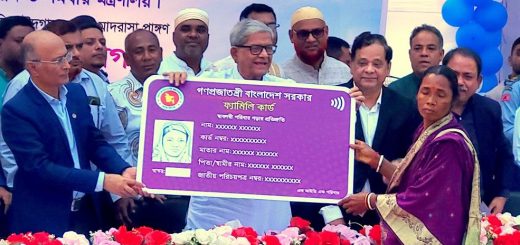
Liberation War Affairs Adviser Faruk E Azam, Bir Protik; Housing and Public Works Adviser Adilur Rahman Khan; Chief Adviser’s Special Assistant for Health and Family Welfare Professor Dr Md Sayedur Rahman; Liberation War Affairs Secretary Ishrat Chowdhury; CID Chief Md Sibgat Ullah; and family members of the July martyrs were present at the programme.
The eight martyrs identified are:
Md Mahin Mia (25), son of Gazi Mamud and Josna Begum of Phulpur village under Phulpur thana in Mymensingh. He was killed on July 18, 2024.
Asadullah, son of Abdul Malek and Ashea Begum of Sribordi, Sherpur. He died on July 19, 2024.
Parvez Bepari, son of Sabuj Bepari and Shamsunnahar of Barohatia village under Matlab thana in Chandpur. He was killed on July 19, 2024.
Rafiqul Islam, son of late Abdul Jabbar Sikder of Satkachina village under Nazirpur thana in Pirojpur. He died on July 19, 2024.
Sohel Rana, son of Md Lal Mia and Rasheda Begum of Louhjang, Munshiganj. He was killed on July 18, 2024.
Rafiqul Islam, son of late Khorshed Alam of Feni Sadar, Feni. He died on July 19, 2024.
Faisal Sarkar, son of Shafiqul Islam of Kachimara village under Debidwar thana in Cumilla. He was killed on July 22, 2024.
Kabil Hossain (58), son of late Bulu Mia and Shamena Begum, a resident of Mugda Thana Lane in Dhaka. He died on August 2, 2024.
Speaking on the occasion, Liberation War Affairs Adviser Faruk E Azam said the identification process has at least given closure to the families by informing them of the fate and burial places of their loved ones.
Following the identification, the graves were formally handed over to the martyrs’ families, and tree saplings were planted at the sites.
Paying tribute, Housing and Public Works Adviser Adilur Rahman Khan said that during the turbulent period many men and women killed in different parts of Dhaka were buried at Rayerbazar as unidentified persons.
“It is the responsibility of the state to confirm the identities of the martyrs and honour them. That is why science-based initiatives were undertaken,” he said, praising the professionalism and dedication of CID forensic, medical and support teams.
Professor Dr Md Sayedur Rahman said the initiative reflects the state’s moral duty and expressed hope that the interim and future governments would ensure justice for the martyrs and fulfil the nation’s obligation to their families.
Name plaques were unveiled at the graves in memory of the martyrs, followed by a munajat and doa seeking eternal peace for the departed souls.
According to the CID, DNA samples were collected from nine families, leading to the successful identification of eight martyrs. The identification of the remaining bodies is ongoing.
The CID stated that the entire operation was conducted in line with legal requirements, human rights principles and international standards, ensuring dignity, transparency and credibility. The initiative has reduced uncertainty for families of missing martyrs while preserving vital forensic evidence for future judicial processes.
Unidentified bodies of several male and female martyrs killed in different parts of Dhaka during the July Uprising were buried at Rayerbazar Graveyard. The Ministry of Liberation War Affairs assigned overall supervision of the programme to the CID of Bangladesh Police.
Internationally renowned forensic expert Dr Morris Tidball-Binz provided training to CID forensic, DNA and medical teams through a two-day workshop. The exhumation and identification process was carried out under the leadership of another international forensic expert, Dr Luis Fondebrider, with support from the UN Human Rights Commission and in accordance with the Minnesota Protocol.
After receiving court approval following a general diary filed with Mohammadpur Police Station, a total of 114 bodies were exhumed, autopsied and sampled for DNA analysis. A temporary morgue was established at Rayerbazar Graveyard, where forensic activities were conducted from December 7 to December 27, 2025.
CID officials said efforts to identify the remaining bodies will continue until all possible victims are identified and returned to their families with due dignity.