ADR crucial to ease cases backlog: Asif Nazrul

Staff Reporter :
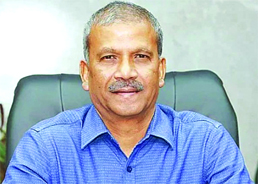
Law, Justice and Parliamentary Affairs Adviser Dr Asif Nazrul has stressed the importance of making Alternative Dispute Resolution (ADR) mandatory to ease the overwhelming backlog of cases in Bangladesh’s courts.
He made the remarks on Saturday while presiding over a stakeholder consultation on the draft Legal Aid Act (Amendment) Ordinance 2025, held at the National Legal Aid Services Organization (NLASO) office on Bailey Road, Dhaka.
Dr Nazrul, who also chairs the National Governing Board of NLASO, said that Bangladesh’s judicial system is under “abnormal pressure” from the sheer volume of cases nearly 500,000 new cases annually which delays justice and burdens the courts.
“This situation undermines both the structure and credibility of the judiciary,” he observed.
To counter this, he proposed making mediation and dispute settlement compulsory before filing certain types of cases, particularly minor civil, family, cheque-related, and bailable criminal matters. “We must divert disputes toward faster and less costly resolutions,” he said.
He cited that only 35,000 cases are currently resolved each year through government-provided legal aid.
However, 90% of those disputes are settled to the satisfaction of all parties and at a fraction of the time it would take in court.
He expressed optimism that if the legal aid system is expanded and strengthened, up to 200,000 cases annually could be settled through mediation, potentially reducing new case filings by as much as 40%.
The Legal Aid Act (Amendment) Ordinance 2025, as presented in the meeting, proposes several major changes. These include:
Making pre-litigation mediation compulsory for specific case types via District Legal Aid Offices. Expanding the capacity and staffing of these offices.Forming special mediation panels including retired judges and experienced lawyers.
Updating the Legal Aid Services Act 2000 and the ADR Rules 2015 to make services more effective and accessible.
The consultation was attended by senior ministry officials, NLASO representatives, legal aid officers, bar leaders from Dhaka, Chattogram, Narayanganj, and Cumilla, as well as development partners including UNDP Bangladesh, GIZ, ILO, BLAST, BRAC, and Proshika.
Participants shared thoughtful feedback and recommendations during the session.
Dr Nazrul urged all stakeholders to submit their written suggestions within three working days, underscoring the ministry’s commitment to inclusive and consultative legal reform.