
World Osteoporosis Day 2025: Strengthen Your Bones, Enjoy Life
Dr. Muhammad Mahtab Hossain Mazed :
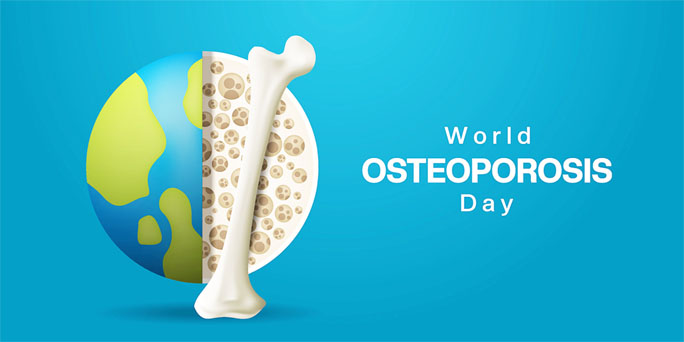
World Osteoporosis Day today. The day is observed every year on October 20. This day is not just a commemoration but carries an important message—“Taking care of your bones means taking care of your life.”
Bones form the framework of our body, but their strength is not limited to physical structure alone. It is deeply connected to our mobility, daily activities, and overall quality of life.
Osteoporosis is a silent disease. Many people are unaware that their bones are weakening until a fracture occurs or persistent pain develops. This condition mainly occurs due to decreased bone density, making bones porous, fragile, and prone to breaking easily. This is why prevention and awareness are crucial.
The term “Osteoporosis” comes from Greek—“Osteo” meaning bone, and “Porosis” meaning porous. In other words, osteoporosis is a condition in which bones lose density, become weak and fragile. Even minor injuries can cause fractures, severely affecting a person’s life.
According to the World Health Organization (WHO), one in three women and one in five men will experience osteoporosis at some point in their lives, with women over 50 being particularly at risk. Osteoporosis primarily occurs when the balance between bone formation and bone loss is disrupted.
Our body constantly breaks down old bone and forms new bone. However, when bone breakdown exceeds bone formation, bones become weak and porous.
Major causes include aging, hormonal changes, nutritional deficiencies, excess salt, tea and coffee, smoking, alcohol, lack of exercise, medication side effects, genetic factors, and other diseases such as thyroid disorders, diabetes, kidney or liver disease. Awareness of these causes and adopting a healthy lifestyle is key to preventing osteoporosis.
Osteoporosis is often called the “silent disease” because early stages usually show no symptoms.
The disease is often detected only after a fracture or persistent pain occurs. Common symptoms include gradual back or waist pain, loss of height, stooped posture, fractures from minor trauma, recurrent bone pain or fatigue, and fractures in the wrist, spine, or hips.
Regular bone density tests and attention to any abnormal bodily changes are extremely important. Osteoporosis is mainly of two types: primary and secondary. Primary osteoporosis is caused by aging and hormonal changes, with two subtypes—postmenopausal (common in women after menopause) and age-related (common in men and women over 70).
Secondary osteoporosis occurs due to other diseases or medications, e.g., hyperthyroidism, kidney failure, or long-term steroid use. Treatment and prevention vary according to type, so consulting a doctor is essential.
Ignoring osteoporosis can lead to serious complications such as bone fractures (especially in hips, spine, and wrists), chronic pain, stooped posture, loss of mobility, reduced confidence, depression, isolation, and a decreased quality of life.
Early prevention and awareness are therefore crucial. Osteoporosis is diagnosed through tests like Bone Density Test (BMD or DEXA)—normal: -1.0 or above, osteopenia: -1.0 to -2.5, and osteoporosis: -2.5 or below.
Blood and urine tests check calcium, phosphorus, vitamin D, and parathyroid hormone levels. X-rays or MRI can detect fractures or deformities.
Regular testing allows early intervention even in the initial stages. Osteoporosis can be prevented. Taking care of bones from childhood ensures strong bones later in life.
A balanced diet with calcium-rich foods (milk, yogurt, small fish, lentils, sesame, nuts), vitamin D (sunlight, egg yolks, seafood), vitamin K and magnesium (green vegetables, bananas, spinach, broccoli) helps greatly. Reduce salt, soft drinks, tea, and coffee.
Regular exercise such as walking, jogging, stair climbing, yoga, and balance training strengthens bones and prevents falls.
Men should maintain testosterone levels, avoid smoking and alcohol, eat protein- and calcium-rich foods, exercise regularly, get sunlight exposure, and test bone density every two years.
Women should test bone density after menopause, increase calcium and vitamin D intake, avoid extreme dieting, smoking, soda, and alcohol, and walk in sunlight daily.
Children and adolescents should consume milk, eggs, small fish, and vegetables daily, play in sunlight for 20–30 minutes, limit mobile and TV use, avoid junk food and soft drinks, and maintain good posture and healthy weight.
Daily bone protection tips include keeping floors non-slippery, ensuring good lighting, wearing comfortable shoes, using glasses if vision is weak, and reducing stress to maintain hormonal balance.
Approximately 200 million people worldwide suffer from osteoporosis. Every 3 seconds, someone experiences a fracture. Men have higher mortality rates than women after hip fractures.
In Bangladesh, the disease is rapidly increasing, especially among urban women due to less sunlight exposure, low dairy intake, excessive soft drinks, lack of exercise, and irregular lifestyle. Raising awareness, timely testing, and bone-care habits are critical. Osteoporosis is a long-term condition where bone density decreases, increasing fracture risk.
Homeopathy offers remedies that help slow bone loss, strengthen bones, and improve overall health. Experienced homeopaths prescribe based on symptoms, age, and bone weakness. Common remedies include Calcium Phosphoricum, Calcium Carbonicum, Silicea, Kali Phosphoricum, Symphytum Officinale, Phosphorus, Conium Maculatum, Thuja Occidentalis, Arnica Montana, and Calcium Iodate. However, self-medication should be avoided. Homeopathy helps strengthen bones, slow degeneration, and boost natural immunity in the long term.
Osteoporosis is a silent enemy that gradually steals bone strength. Once a bone fractures, it never regains full strength. Therefore, taking care of your bones is taking care of your life. World Osteoporosis Day on October 20 reminds us to start bone care today for a stronger life tomorrow.
Balanced diet, sunlight, regular exercise, and healthy lifestyle are the greatest shields for your bones. Strong bones mean a strong life—so let’s start the “Bone Care Pledge” today, staying healthy, active, and confident as we age.
(The author is Columnist & Researcher, Founder Chairman, jatay rogi kallaya Society
Email: [email protected])