
UK govt backs down on disability benefit cuts after rebellion
Al Jazeera :
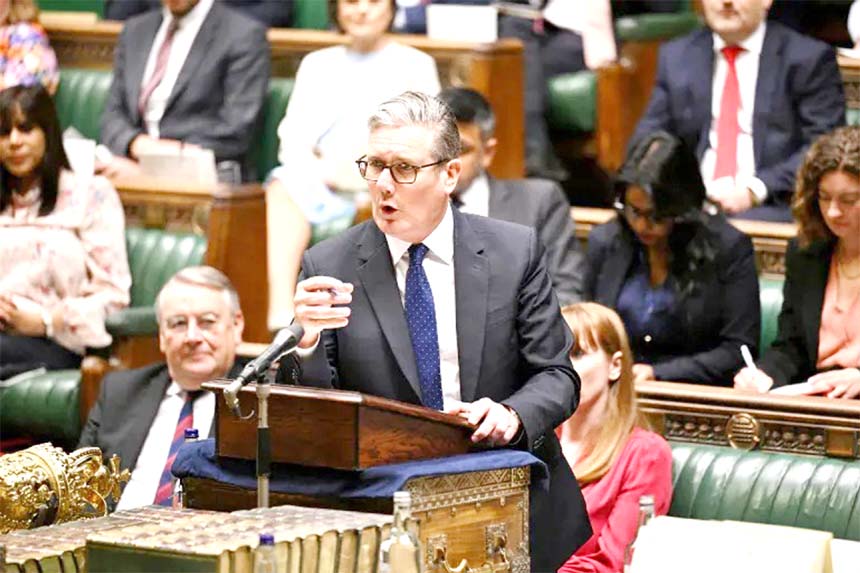
The United Kingdom government has backed down on controversial plans to slash disability and sickness benefits after a major rebellion by MPs, in a blow to Prime Minister Keir Starmer’s authority.
The climbdown on Friday is the third U-turn that Starmer has been forced into in less than a month, leading to questions about his political acumen and direction of the ruling Labour party.
Only days after Starmer insisted he would plough ahead with the reforms, the government confirmed concessions had been made to 126 rebel MPs who had threatened to scupper the proposed changes.
The turnaround comes just before Starmer marks the first anniversary of what has been a rocky return to power for Labour after 14 years in opposition to the Conservatives.
A spokesperson for Number 10 said the government had “listened to MPs who support the principle of reform but are worried about the pace of change for those already supported by the system”.
The source of friction was a bill that would have tightened eligibility for a key disability benefit, removing the Personal Independence Payment from hundreds of thousands of people with long-term physical or mental health conditions.
Another health-related benefit received by people on low incomes would also be reduced under the plans.
The government said the proposed changes would help people find jobs while preserving a safety net for those who can never work. It would also save an estimated 5 billion pounds ($6.8bn) a year from a welfare bill that has increased since the COVID-19 pandemic.
But many Labour legislators baulked at the changes, which the Institute for Fiscal Studies think tank estimated would cut the income of 3.2 million people by 2030.
Friday’s backtrack means the Universal Credit and Personal Independence Payment (PIP) Bill, which contains the welfare reforms, will likely make it through a parliamentary vote due next week.
The concessions, due to be set out in parliament later on Friday, include a “staggered approach” to the reforms, Care Minister Stephen Kinnock said.
This means that the narrower eligibility criteria proposed will only apply to new claimants, not those already receiving the benefit payments.
It has been a bumpy 12 months in office for Starmer, during which Chancellor Rachel Reeves has struggled to generate growth from a sluggish UK economy.