
Students win a chance for change
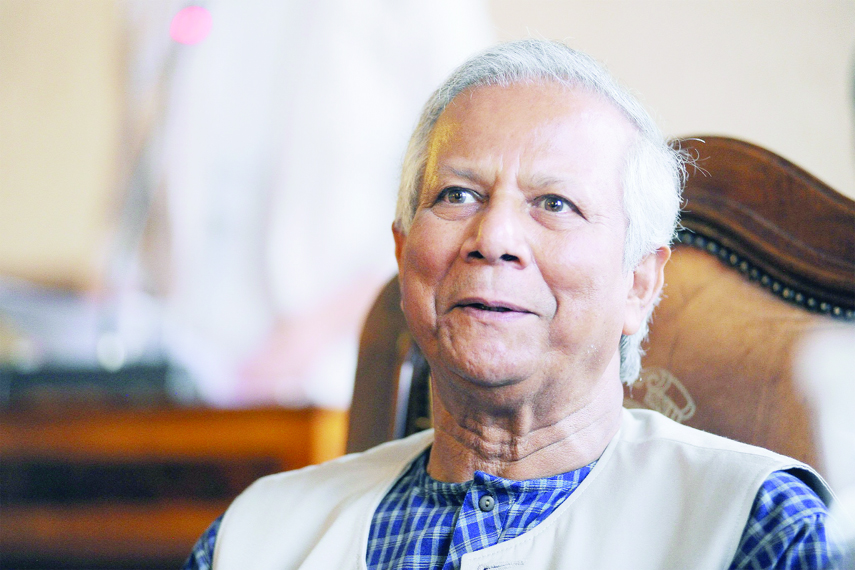
Staff Reporter :
In a recent interview with Gideon Rachman of Financial Times, Dr. Muhammad Yunus, the interim leader of Bangladesh, highlighted the pivotal role of students in the country’s political transformation, particularly their initiative to form a new political party.
This development follows a summer uprising in which students were at the forefront, advocating for change and reform.
Yunus emphasised that the students’ motivation to establish their own political party stems from a need to safeguard the progress they have achieved through their sacrifices.
“They have to protect the things they have earned by their blood,” he stated, underscoring the urgency of their mission in a political landscape historically marred by corruption and instability.
The prospect of a student-led political party represents a significant shift in Bangladesh’s political dynamics.
Yunus acknowledged the challenges that lie ahead, including the potential for fragmentation and the risk of established politicians attempting to co-opt the movement.
However, he expressed confidence in the students’ resolve and their commitment to the principles of transparency and accountability.
He noted that the formation of this party is not merely a reaction to the current political climate but a proactive step towards ensuring that the ideals of the uprising are preserved.
“They are joining or creating a political party under the circumstances,” he explained, stressing the necessity of this action to protect their hard-won rights and aspirations.
The emergence of a student-led party could inject fresh energy and perspectives into Bangladesh’s political discourse. Yunus believes that the students’ idealism and dedication to reform could help restore public trust in the political system.
“This is needed because they have to protect the things they have earned by their blood,” he reiterated, highlighting the importance of their
involvement in shaping the nation’s future.
While the road ahead may be fraught with challenges, Yunus remains optimistic about the potential impact of the students’ political engagement. He stated, “The students will have transparent intentions.
They are trying to protect that. So I would say students will have a good chance.” This optimism reflects a broader belief in the capacity of young leaders to drive meaningful change in Bangladesh.
As the country navigates this transformative period, the formation of a student-led political party could mark the beginning of a new chapter in Bangladesh’s governance, one characterised by greater inclusivity and accountability.
Yunus’s insights underscore the critical role that young leaders will play in shaping the future of the nation as they strive to build a political landscape that reflects the aspirations of the people.