
July uprising crimes case: State defence appointed for Hasina, Kamal
Staff Reporter :
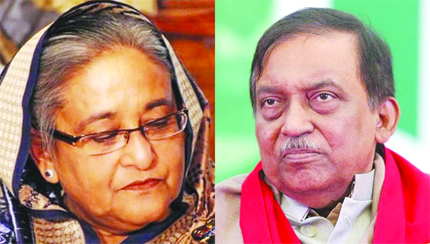
The International Crimes Tribunal-1(ICT-1) has appointed state defence counsels for former Prime Minister Sheikh Hasina and former Home Minister Asaduzzaman Khan Kamal in the case concerning crimes against humanity during the July Uprising.
The tribunal has also scheduled the next hearing for charge framing on July 1. On Tuesday, June 24, a three-member tribunal bench headed by Justice Md Golam Mortuza Majumder passed the order. During the proceedings, Prosecutor Gazi MH Tamim informed the tribunal that public notices had been published in two national newspapers summoning Sheikh Hasina and Asaduzzaman Khan Kamal. Despite these summons, they failed to appear before the court.
Considering the situation, the tribunal decided to appoint state defence lawyers for both accused and proceed with the charge-framing hearing on the scheduled date.
On the same day, former Inspector General of Police (IGP) Chowdhury Abdullah Al-Mamun, another accused currently in custody, was presented before the court.
Earlier that morning, the investigation agency of the tribunal revealed that they had found evidence of the involvement of 16 individuals in the killing and subsequent burning of six bodies in Ashulia during the July-August uprising.
The final investigation report in the case is expected to be submitted to the tribunal on July 2.
In addition, seven other accused, including detained police officials Abdullah Hil Kafi and Shahidul Islam, were also presented before the court.
The charges stem from allegations of crimes against humanity, including shooting and killing unarmed student protestors during the anti-discrimination student movement in July 2024.
The tribunal has accused Sheikh Hasina and other former top officials of planning, ordering, and facilitating these crimes during the uprising.
On June 17, the ICT issued a notice directing both Sheikh Hasina and Asaduzzaman Khan Kamal to surrender before the tribunal in connection with the mass killing.
The notice, published in national dailies, stated that failure to appear within seven days would lead to trial proceedings in their absence.
As the trial progresses, the tribunal continues to treat the July Uprising case as a significant chapter in holding individuals accountable for crimes against humanity committed during political upheaval in Bangladesh.