
Robi’s 100MW solar move sets green example for Telcos
In a bold move towards sustainability and climate responsibility, Robi Axiata PLC, one of Bangladesh’s leading digital service providers, has recently announced a pioneering renewable energy project that promises to reshape the role of corporates in the country’s green energy journey.
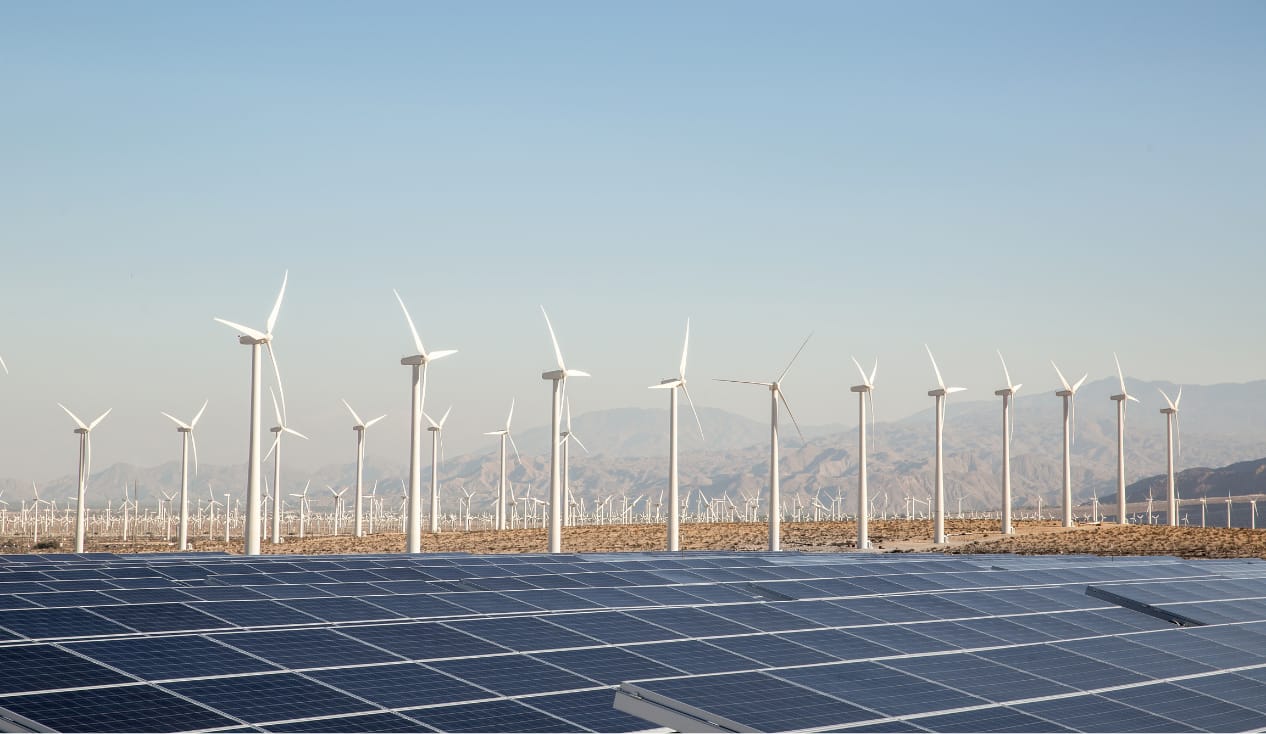
As part of its commitment to achieving net-zero carbon emissions by 2050, Robi has entered into a landmark tripartite agreement with FloSolar Solutions Ltd. and GreenPower Asia to develop a 100MW solar power project. The renewable energy generated will be supplied to Robi through a Corporate Power Purchase Agreement (CPPA), marking a first-of-its-kind initiative in the nation’s telecom industry.
This initiative will not only help Robi reduce its operational carbon footprint by replacing fossil fuel-based power with clean solar energy, but also provide a replicable model for other large enterprises in Bangladesh.
“Robi is committed to sourcing energy sustainably as part of our broader Environmental, Social, and Governance (ESG) strategy. We see clean energy as vital to building a resilient, future-ready digital infrastructure. Our 100MW solar project reflects the private sector’s responsibility to take bold action on climate,” said Shahed Alam, Chief Corporate and Regulatory Officer of Robi Axiata PLC.
He added, “Our ambition goes beyond organizational goals—we aim to inspire the wider telecom and tech sectors to embrace renewables, proving that green energy supports both the environment and long-term business sustainability.”
A joint technical assessment is currently underway to evaluate the feasibility of deploying solar power across approximately 16,000 of Robi’s BaseTransceiver Station (BTS) sites across the country. The deployment could shift a significant portion of Robi’s network to renewable energy, making it one of the greenest telecom infrastructures in South Asia.
Bangladesh faces an uphill task in its goal to source 40% of total electricity from renewables by 2041 and reach net-zero carbon emissions by 2070. Currently, over 95% of the nation’s electricity is still generated from fossil fuels. While private power producers have contributed to limited renewable capacity, large corporate entities have yet to step up in a meaningful way—until now.
Robi is proud to be the first telecom operator in Bangladesh to take concrete, large-scale action in support of the national renewable energy agenda. The company believes this move could act as a catalyst for broader industry-wide participation.
According to experts, if other major telcos like Grameenphone and Banglalink—operating 22,000 and 15,000 BTS sites respectively—follow suit, Bangladesh could see an additional 200 MW or more of solar energy capacity added to the grid. This would represent a significant step forward in achieving the country’s national renewable energy targets.
Welcoming Robi’s initiative, energy expert Professor Dr. M Shamsul Alam said, “This is undoubtedly a wonderful initiative. It will promote the use of alternative sources of electricity, particularly solar energy, in various sectors across the country.” He further added, “This initiative will benefit mobile phone users, especially during power outages when customer service is often disrupted. I believe this will lead to improved customer service.”
Professor Dr. M Shamsul Alam said, “Since Grameenphone has more BTS than Robi, it will require more solar power. As for Banglalink, it will need roughly the same amount of megawatts as Robi.” He also stated, “Robi’s initiative may inspire a shift in the mobile telecom sector. Seeing Robi, other companies might feel the urge to integrate solar power into their BTS systems as well. As a result, I see the potential for a qualitative transformation in the country.”
As Bangladesh stands at a crossroads in its energy journey, Robi’s renewable energy initiative serves as a shining example of corporate climate leadership—demonstrating that green growth and business success can go hand in hand.