
Real progress before LDC graduation a must Tarique Rahman
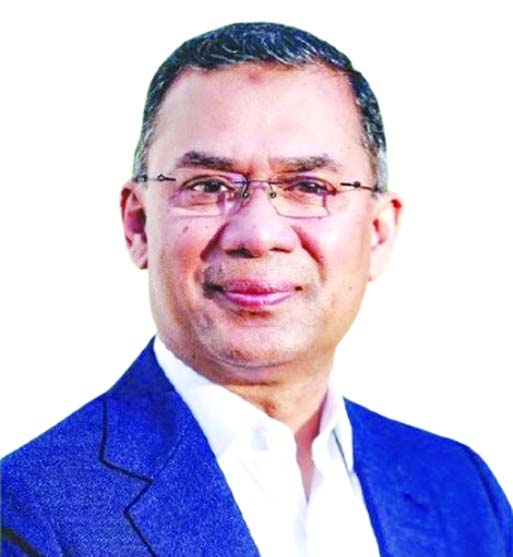
Staff Reporter :
BNP Acting Chairman Tarique Rahman said on Tuesday that Bangladesh needs real and tangible progress, as well as opportunities for its citizens, before it can fully benefit from graduating from the UN’s Least Developed Country (LDC) category. He mentioned this in a Facebook post from his verified account.
He noted that Bangladesh is on track to graduate from the UN’s LDC
category in November 2026 and questioned what this would mean for the resilience of businesses, which are the engines of growth in local communities.
He emphasized that graduation is not just a milestone, but also comes with risks and challenges that could directly affect the country’s economy and people.
Tarique Rahman expressed the BNP’s concern over multiple issues if caution is not exercised.
These include the potential loss of trade preferences, which could negatively affect garment exports and reduce competitiveness; a reduction in access to concessional loans and aid, which would increase financial pressure amid already stressed reserves and debts; the loss of trade privileges under the World Trade Organization (WTO), including flexibility on subsidies and medicine patents, which would raise the cost of essential medicines; and the vulnerability arising from dependency on a single export sector if competitiveness declines.
He suggested that urgent measures are required to protect homegrown businesses.
These measures could involve diversifying the export base beyond garments into sectors such as ICT, pharmaceuticals, and other value-added industries; strengthening public institutions to improve financial discipline and avoid a debt trap; investing in productivity, trade logistics, and modern infrastructure to maintain global competitiveness; and actualizing foreign commitments on trade facilities and green financing to support the transition.
He concluded that Bangladesh must ensure that workers, farmers, and youth are not left behind in a vulnerable position, and reiterated that the country needs tangible progress and opportunities for its citizens before it can fully enjoy the benefits of graduation.