
Planet on the edge: the existential crisis of climate change
Tanvir Ahammed :
Humanity stands at a crossroads. For the first time in our history, the greatest threat we face is not an invading army or a global pandemic-but our own actions.
Climate change is no longer a distant possibility; it is a present reality. Rising seas, scorching heatwaves, dying ecosystems, and displaced communities are all signs of a world in crisis.
“Countries must meet their climate obligations – and that failing to do so could violate international law, potentially opening the door for affected nations to seek reparations in future legal cases”, said the United Nations’ top court.
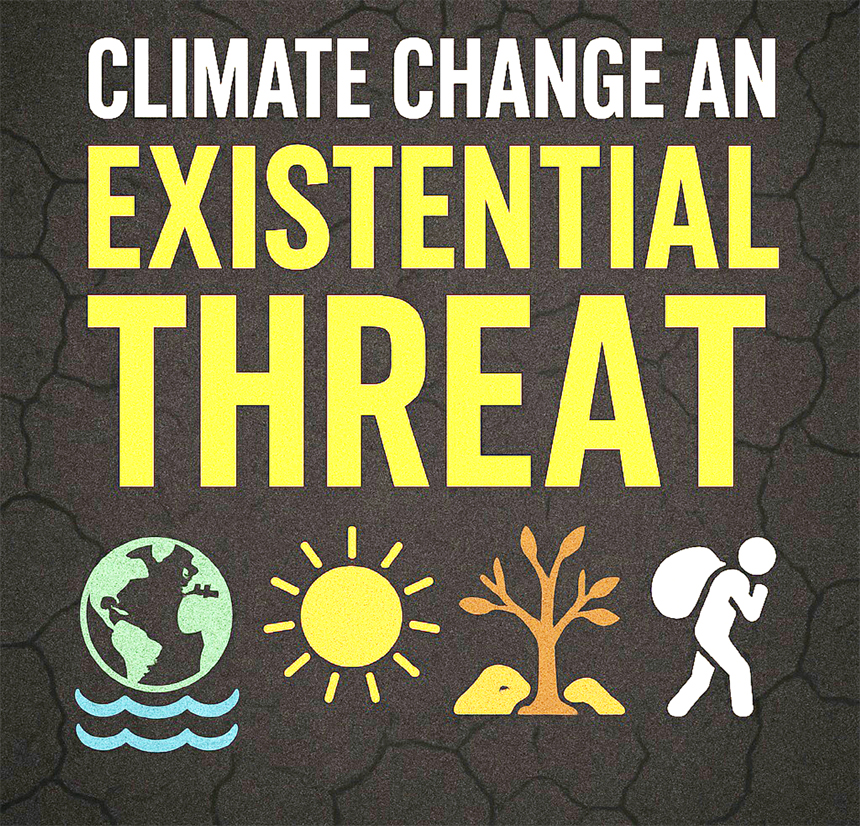
When experts describe climate change as an “existential threat,” they’re highlighting a crisis that imperils not just ecosystems and livelihoods-but the very foundations of human civilization and cultural identity.
More than just an environmental issue, climate change has become an existential threat-challenging the survival of nations, cultures, and generations yet to come. The time for debate has passed; the time for decisive, united action is now.
Reading the opinion, ICJ President Yuji Iwasawa said that greenhouse gas emissions are “unequivocally caused by human activities” and have cross-border effects.
“Failure of a state to take appropriate action to protect the climate system … may constitute an internationally wrongful act,” Iwasawa said. He called the climate crisis “an existential problem of planetary proportions that imperils all forms of life and the very health of our planet”.
Notably, the court said a “clean, healthy and sustainable environment” is a human right.
That paves the way for other legal actions, including states returning to the ICJ to hold each other to account as well as domestic lawsuits.
“This ruling elevates national climate commitments everywhere by confirming that countries must reduce emissions enough to protect the universal rights to life, food, health and a clean environment.
“All countries, particularly rich ones, now have to cut their emissions faster and phase out fossil fuels.
Rich countries have to increase their financing to Global South countries to help them reduce emissions and protect their people from past and future harm. This is not a wish list – it is international law.”
Legal experts say the ruling is a victory for small island and low-lying states that had asked the court to clarify states’ responsibilities.
“We now have a powerful tool for holding countries to account for their obligations, especially in protecting the world’s most marginalised people and future generations of humanity.”
Climate change is the greatest challenge of our time-but solutions are within our reach.
From renewable energy and sustainable agriculture to smarter cities and global cooperation, we already have the tools to reverse the damage. What we need now is the will to act-boldly, collectively, and urgently.
Governments must uphold climate justice, industries must prioritize sustainability, and we, as individuals, must embrace conscious choices.
Together, we can shift from crisis to opportunity-from threat to transformation. The climate clock is ticking, but with united effort and unwavering resolve, we can still secure a livable planet for generations to come.