
No talks yet on humanitarian corridor to Myanmar
Staff Reporter :
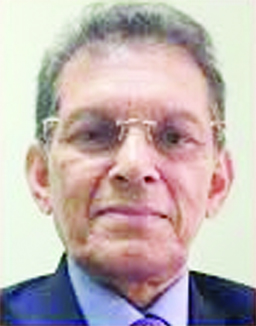
National Security Adviser Dr Khalilur Rahman has denied the claim that Bangladesh has agreed to establish a humanitarian corridor to deliver aid to Myanmar’s conflict-affected Rakhine State, stating that no such discussions have taken place.
Speaking at a press briefing at the Foreign Service Academy in Dhaka on Wednesday, Dr Rahman emphasised that Bangladesh remains the only feasible route for delivering humanitarian assistance to Rakhine, but clarified that the notion of a ‘humanitarian corridor’ has not been formally considered.
“Some are asking why the government is not discussing a corridor. But why discuss something that does not yet exist?” he said. “A humanitarian corridor is a system designed for evacuating people in emergency situations. Here, no evacuations are planned. The issue is simply about transporting relief materials, which cannot be sent through other routes. The United Nations has requested permission to deliver goods to Rakhine via the Bangladesh border.”
He added that no specific route or method for aid delivery has been finalised. “The patient is still in hospital,” he said metaphorically. “We have not yet begun discussions on this.”
Dr Rahman stressed the need to assess the infrastructure and security requirements before any aid delivery plans are implemented. “Nothing is under consideration at this stage,” he added.
Regarding control over the aid, he explained that the United Nations would manage the distribution, while Bangladesh would oversee border security to prevent the smuggling of drugs or weapons disguised as humanitarian assistance.
When asked about any disagreements with the military over this issue, Dr Rahman responded, “I have held extensive talks with the Army Chief. There is no disagreement.”
Addressing a previous statement by Foreign Affairs Adviser Touhid Hossain, who suggested that a policy decision on the corridor had been made in April, Dr Rahman said, “I speak with the Foreign Affairs Adviser daily. His earlier remarks were a slip of the tongue, which he later corrected. Since then, there have been no further comments from him on the corridor.”
Dr Rahman also highlighted the worsening humanitarian crisis in Rakhine. He cited warnings from the United Nations Development Programme (UNDP) that food production in the region is projected to meet only 20 per cent of local needs by March-April 2025, leaving over two million people at risk of starvation. The ongoing conflict and trade blockades have contributed to severe shortages and economic collapse.
While preliminary talks have taken place between Bangladesh and the United Nations on facilitating aid delivery, no formal agreement has yet been reached.
Any initiative would require consensus from all relevant parties and the fulfilment of conditions such as guaranteed access for aid providers, non-discriminatory distribution, no militarisation of aid, and a ceasefire during delivery.
Dr Rahman also noted Bangladesh’s concerns about further displacement from Rakhine, stating that the country already hosts over 1.2 million Rohingya refugees and cannot accommodate more. He said efforts are underway to prevent additional cross-border displacement.
Regarding the Arakan Army, Dr Rahman disclosed that Bangladesh has established informal contacts with the group to maintain border security and stability. Continued engagement, he added, will depend on the Arakan Army’s compliance with international humanitarian law and their treatment of the Rohingya population.
Press Secretary to the Chief Adviser Shafiqul Alam and Deputy Press Secretary Apurba Jahangir were present at the briefing.