


Zubaida stresses accessible cancer care for women

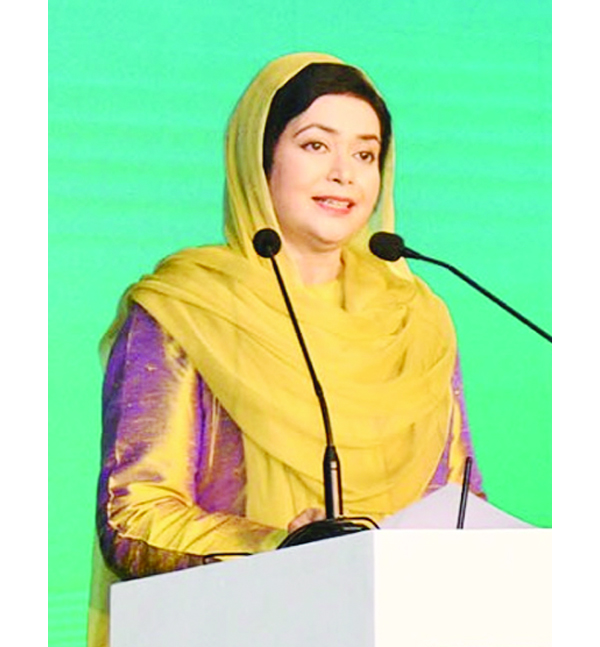
Dr Zubaida Rahman has called for accessible and affordable healthcare services for women, stressing the need for early diagnosis, effective treatment and wider screening to prevent and combat female cancers.
“No patient should be left behind,” she said, outlining the need to prevent avoidable suffering through timely medical care.
The Vice-President of the Ziaur Rahman Foundation and wife of Prime Minister Tarique Rahman made the remarks as the chief guest at the opening ceremony of the 11th Bangladesh International Cancer Congress (BICC) 2026 at Radisson Blu Water Garden Hotel in Dhaka on Thursday.
The two-day congress, scheduled for November 19-20, has brought together around 1,000 oncologists, including 40 foreign experts, healthcare professionals, researchers and other stakeholders to discuss developments in cancer prevention, diagnosis, treatment and research.
Dr Zubaida said women make up 50.8 per cent of Bangladesh’s population and called for effective measures to protect them from cancers affecting women.
She said many women in both urban and rural areas suffered silently, often placing their healthcare needs behind other family priorities. She stressed the importance of raising awareness and ensuring access to regular health check-ups and medical facilities.
She said the aim should be to build a healthcare system in which everyone receives treatment with dignity and respect, adding that a woman’s right to live should not depend on where she lives.
Dr Zubaida called for expanding vaccination programmes for girls both inside and outside schools and making cancer screening available to women across the country.
She also stressed that every positive screening result must be followed by proper diagnosis and treatment. Affordable healthcare, effective referral systems and trained medical personnel were essential to ensure patients received continued care, she said.
She suggested expanding services through schools, community clinics and local hospitals instead of limiting them to specialised medical centres.
Community health workers and primary healthcare teams could play an important role in raising awareness, guiding women through screening programmes and connecting them with referral services, she added.
Dr Zubaida also called for stronger cooperation among the government, healthcare professionals, cancer survivors, civil society and development partners to make cancer care accessible to all.
She said the success of cancer prevention and treatment initiatives should be assessed through measurable outcomes, including the number of girls vaccinated, women screened, cancers detected at an early stage and patients receiving timely treatment. Protecting families from excessive healthcare costs should also be a priority, she added.