
NCC aims to prevent return of autocracy’
Staff Reporter :
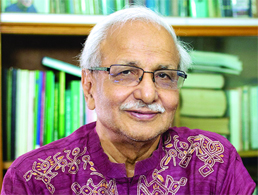
The National Consensus Commission (NCC) is working with a strong focus on preventing the return of authoritarian rule in Bangladesh, said Dr. Badiul Alam Majumdar, a member of the commission, during a citizen dialogue held on Saturday at the BRAC Learning Centre in Bashar Hat, Dinajpur.
Speaking as the chief guest at the event organised by Citizens for Good Governance (SHUJAN), Dr. Majumdar said, “We have presented a set of proposals called the Draft National Consensus Charter, aimed at permanently ending the possibility of a return to autocracy.”
The proposed charter, he explained, outlines comprehensive reforms in the electoral system, constitution, local government, and governance structures. “We believe these reforms will send a strong message to the government-that public opinion and citizen recommendations must be taken seriously if we are to safeguard democracy for the long term.”
Responding to questions from journalists after the event, Dr. Majumdar said the government has already formed 11 separate reform committees to address these issues. “Among them, the heads of six key committees have come together to form the National Consensus Commission, which is currently chaired by Chief Adviser Professor Dr. Muhammad Yunus.” Dr. Majumdar emphasized that the NCC’s goal is to build a broad-based national consensus on essential reforms. “We have already reached agreement on several important issues. Our current effort is to bring political parties into these discussions to ensure inclusiveness and unity in the reform process.”
He stressed that authoritarian tendencies cannot be eliminated without structural changes. “The charter is more than a document-it is a call to action for all stakeholders in our society.”
The dialogue, presided over by Md. Belal Uddin Shikder Rubel, president of SHUJAN’s Dinajpur District Chapter, saw participation from a wide range of civic actors. Leaders and activists from SHUJAN’s central body, as well as from Rangpur Division, Dinajpur, Thakurgaon, and Panchagarh, addressed the gathering.
More than 100 individuals from different walks of life, including journalists, social workers, teachers, and local citizens from Dinajpur and neighboring districts, took part in the event. Many expressed their support for the commission’s objectives and stressed the need for greater public awareness and civic engagement to sustain democratic practices in the country.
The National Consensus Commission, under the leadership of Dr. Yunus and reform-minded stakeholders, is expected to continue its outreach and dialogue initiatives in the coming months, aiming to shape a unified platform for national reform and democratic resilience.