Introducing a City-Dwellers Tax for Dhaka’s Livability

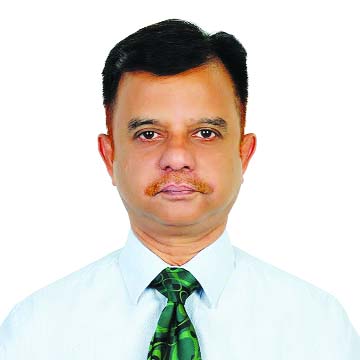
Dr. Nasim Ahmed :
Dhaka is one of the world’s fastest-growing megacities. Its rapid expansion is primarily driven by ongoing rural-to-urban migration, with thousands of people arriving daily for employment, better services, and improved living conditions. While migration has traditionally contributed to Dhaka’s vibrancy and workforce, uncontrolled influxes have heavily strained housing, transportation, healthcare, education, and public utilities.
Congestion, pollution, and inadequate infrastructure now threaten the city’s quality of life. One policy option is introducing a city-dweller’s tax, a financial measure aimed at controlling settlement in Dhaka, raising funds for urban infrastructure, and discouraging unnecessary rural migration. By visibly improving services, the city dwellers’ tax could gain social acceptance and demonstrate tangible benefits to citizens.
The main reasons for implementing a city-dweller’s tax are twofold: (a) Regulating migration: by raising the cost of living in Dhaka through targeted taxes, it discourages low-skilled migrants from moving to the city unnecessarily, especially those seeking informal settlements instead of formal employment, and (b) Improving urban resources: the collected tax revenue can be reinvested into public services, transportation, housing programmes, and green spaces to reduce the pressure on the city’s infrastructure.
Since Dhaka is home to nearly 20 million people, far beyond its sustainable capacity, such financial tools could act as both a barrier to excessive migration and a means to improve residents’ quality of life. To be effective, the tax must be thoughtfully designed to avoid penalising the urban poor while targeting higher-income groups and formal businesses that primarily contribute to congestion and environmental issues. Possible models include:
Progressive household taxation: Families with higher incomes, multiple properties, or luxury accommodations could be taxed at higher rates. Informal settlement residents, rickshaw pullers, and day labourers should pay moderate contributions to prevent worsening inequality.
Business and commercial space taxation: Large corporations, real estate developers, shopping malls, and industrial units within Dhaka should shoulder a larger share of the tax burden. This approach ensures that those who benefit economically from Dhaka’s dense population contribute fairly to its maintenance.
Vehicle congestion tax: Extra charges on private vehicles, especially luxury cars, and compulsory registration and tax for battery-operated and human-run rickshaws could generate revenue and discourage traffic. Cities like London and Singapore often use such taxes to cut down on traffic and pollution.
Utility-based taxation: Higher tariffs for excessive water, gas, and electricity consumption in urban households could be implemented within the city-dweller’s tax framework. Revenue could directly support the expansion of services to underserved areas.
A city resident’s tax should not only generate revenue but also strategically manage migration patterns. This can be achieved through:
Differentiated residency costs: Making urban living more expensive for new migrants without stable employment can discourage unnecessary inflows. For example, new renters or property owners might face higher registration fees compared to long-term residents.
Redistribution to rural areas: Some of the tax revenue should support rural development programmes, industrial zones, agricultural modernisation, rural health, and education facilities to reduce the “push factors” that drive migration.
Affordable satellite cities: Tax revenues could finance the development of satellite towns around Dhaka, such as Purbachal and Jhilmil, where incoming migrants can be more effectively accommodated.
Ensuring comfort and livability: The main goal of a city-dweller’s tax is not just to reduce migration but to make Dhaka a more livable city. Livability includes access to efficient transportation, clean air and water, affordable housing, healthcare, and recreational spaces.
If managed transparently, the tax revenue could be allocated to: (a) urban transportation improvements, including metro rail extensions and better bus systems, (b) funding public housing programs, especially for low- and middle-income families, to eliminate slums, (c) creating green and recreational spaces, parks, and cultural centers to improve mental well-being, and (d) waste management and pollution control systems to foster a healthier environment.
Implementing a city-dweller’s tax in Dhaka will, however, face several challenges: (a) without careful planning, such taxes could unfairly burden the poor, (b) collecting taxes in a city with widespread informality, unregistered properties, and weak municipal governance will be difficult, (c) without transparency and accountability, revenue might be misused, reducing public trust, (d) wealthy urban elites, business owners, and developers may lobby against increased taxation, and (e) if rural push factors like poverty and lack of opportunities are not addressed, migrants may still flock to Dhaka despite the tax, leading to informal settlements and tax evasion.
Dhaka’s livability crisis is closely tied to unchecked rural-to-urban migration and poor urban planning. While migration cannot be entirely stopped, since it often serves as a survival strategy, a well-designed city-dweller’s tax could manage inflows, generate vital revenue, and promote more sustainable urban living. This policy could also help reduce mugging, theft, and other social crimes committed by outsiders in Dhaka.
If implemented fairly and transparently, the city-dweller’s tax could become a powerful tool to transform Dhaka from a congested megacity into a more comfortable, inclusive, and livable city.