
India must halt anti-Muslim pushbacks into Bangladesh
By Md Mojahidul Islam:
The recent revelations that over 4,500 Muslims have been unlawfully pushed into Bangladesh from India between June 2024 and June 2025 mark a deeply troubling chapter in the region’s migration and human rights record.
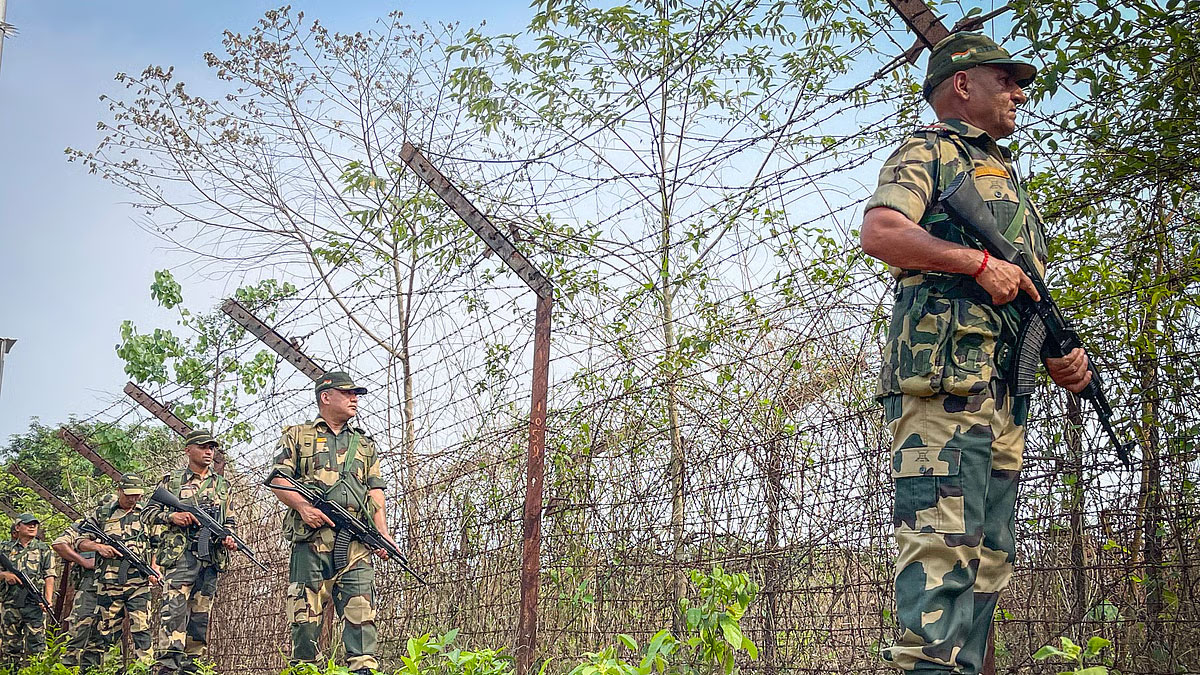
According to a report published in this newspaper on Wednesday, based on some official statements, media investigations, and rights group reports, many of these individuals — predominantly Bengali-speaking Muslims — were expelled at gunpoint, stripped of legal protections, and abandoned at the border in breach of international norms.
The campaign, most aggressively executed under the BJP-led administrations in states like Assam, Gujarat, Delhi, and West Bengal, reflects a systematic and discriminatory policy. The surge reached alarming proportions in May 2025 under “Operation Pushback,” with Gujarat and Delhi accounting for more than 1,770 expulsions in just three months.
Assam Chief Minister Himanta Biswa Sarma’s brazen declaration that such pushbacks would be “intensified” raises further alarm about the erosion of the rule of law and basic human dignity.
These expulsions have not only violated international standards but also ignored India’s constitutional obligations to ensure due process. Many victims were long-term residents, some of whom were even listed in India’s National Register of Citizens (NRC).
Their forcible expulsion — without legal review or access to counsel — has exposed the arbitrary and sectarian nature of the process. The case of 67-year-old Ufa Ali, who was forcibly relocated despite being a recognised citizen, lays bare the cruelty behind these measures.
While India claims to be cracking down on undocumented migrants, officials have openly admitted to sparing undocumented Hindus, citing “religious persecution.”
Such selective enforcement of citizenship laws grossly undermines the principle of equal treatment and strengthens accusations of systemic Islamophobia under the current government.
These pushbacks not only burden Bangladesh but also harm the bilateral relationship between the two neighbours, who have a history of cooperation.
Bangladesh’s formal protests calling the actions “unilateral” and “unacceptable” must be supported by the international community. The silence from regional and global powers is as concerning as the actions themselves.
India’s actions violate international commitments on statelessness, migration, and minority rights. If unchecked, this precedent may embolden further abuses across the subcontinent.
The international community must hold India accountable and demand an immediate halt to these illegal expulsions.
Bangladesh, meanwhile, must escalate its diplomatic response and insist on accountability to protect its sovereignty and the human rights of those unjustly cast across its border.