
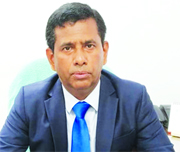
ICT must proceed without pressure, says Tajul
Staff Reporter :
The Chief Prosecutor of the International Crimes Tribunal (ICT), Mohammad Tajul Islam, has urged all parties to refrain from exerting pressure on the trials of crimes against humanity.
Speaking at a briefing at the tribunal yesterday (March 5), he emphasised the complexity of ensuring justice in such cases, stating, “Ensuring the trial of crimes against humanity is a difficult process. No one should put any extra pressure.”
His remarks come amid growing international interest in the ongoing trials. Former U.S. Ambassador William B. Milam and diplomat John Danilowicz visited the ICT yesterday morning on behalf of the U.S. think tank Right to Freedom.
During their visit, they assured full cooperation in the trial process and inquired about both the current status and overall progress of cases related to crimes against humanity.
Tajul Islam reiterated that the tribunal aims to provide information and advisory support to ensure justice for victims of crimes against humanity, including those affected by the July genocide, enforced disappearances, and murders of the past 15 years.
He stressed the importance of ensuring accountability so that such atrocities do not occur again in the future.
Tribunal Approves Interrogation of Constable Over Student Shooting
In a separate development, the prosecution and investigation agency of the ICT has received permission to interrogate police constable Akram Hossain in connection with the shooting of agitating college student Hridoy Hossain in Konabari, Gazipur, on August 5. The tribunal has approved questioning Akram Hossain for one day on March 11.
Akram Hossain, along with other accused in the case-including former Kapasia Officer-in-Charge (OC) M. Ashraf Uddin, police inspector Md. Shafiqul Islam, and constables Md. Fahim Hasan and Md. Mahmudul Hasan-were presented before the tribunal today.
Chief Prosecutor Tajul Islam informed reporters that the interrogation would help determine who issued the order to fire the rifle, who was involved, and what actions were taken regarding the victim’s body.
“Through interrogation, we will know who gave the order to shoot him with a rifle, who was with him, where the body was taken or what was done to it, everything will be known,” he said.