
ICT hears phone recording: Hasina ‘ordered’ execution of protesters
Staff Reporter :
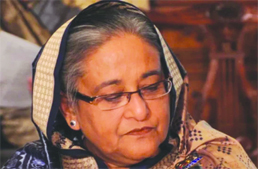
In an explosive revelation before Bangladesh’s International Crimes Tribunal, prosecutors have accused former Prime Minister Sheikh Hasina of ordering the execution of anti-government protesters during last year’s mass uprising – a claim backed, they say, by a verbatim transcript of her phone conversation with the former vice-chancellor of Dhaka University.
Chief Prosecutor Mohammad Tajul Islam, delivering his opening statement on Monday in the Chankharpul massacre case, told the tribunal: “This is direct evidence of premeditated crimes against humanity.”
The case concerns the August 5, 2024 killings in Dhaka’s Chankharpul area, where six people were shot dead. Prosecutors allege the killings were the result of an intentional chain of command from the top of the government down to street-level officers.
The July 14 Conversation
According to Tajul Islam, the transcript – dated July 14, 2024 – captures an exchange between Hasina and Professor A S M Maksud Kamal, then Vice-Chancellor of Dhaka University, at the height of the student-led anti-government movement.
Maksud Kamal is heard warning Hasina:
“Students have broken the locks in every dormitory. Four to five thousand have gathered at Raju Sculpture, more in Mall Chattar, and at any moment they might attack my residence.”
Hasina replies:
“I’ve already told them to protect your residence… The Rajakars were hanged, I will do the same to them. I will not spare even one. We have been patient all this time; they are growing bolder.”
Kamal responds:
“Yes… once this trouble is over, I myself will expel those creating the unrest from the university.”
Hasina continues:
“Expel them all. After tolerating today, we will arrest them and take whatever action is necessary. In England, when student politics turned violent, they didn’t hesitate to kill some of them.”
Tajul Islam told the court these statements “demonstrate a clear directive from the highest level to treat protesters as traitors and to apply lethal force.”
Orders from the Police Chain of Command
The prosecution also presented a wireless message from July 18, 2024, allegedly sent by then-Dhaka Metropolitan Police Commissioner Habibur Rahman:
“Use your maximum power to protect lives and property. Take kneeling position and fire below the waist to control the situation.”
According to court testimony, on August 5, 40-45 police officers were deployed in Chankharpul under the supervision of senior officers. Prosecutors say the killings were carried out by Constables Sujan Hossain, Imaaz Hossain, and Nasirul Islam following explicit orders.
Second Call Reveals Plan for Heavy Weaponry
Tajul Islam added that another phone call, between Hasina and former Dhaka mayor Fazle Noor Taposh, indicated that the former prime minister had ordered the use of helicopters, drones, and lethal weapons to crush protests.
A Father’s Testimony
The tribunal also heard from the first witness, Shahriar Khan, father of 17-year-old student Shahariar Khan Anas, one of those killed on August 5.
He read a letter his son had left before joining the protest:
“Mother, I am going to the protest rally… If I don’t return alive, don’t grieve but be proud.”
Anas’s body, he testified, was found at Mitford Hospital, buried without autopsy and “with shaheedi (martyr’s) honor.”
The Trial
The Chankharpul case lists eight defendants, all former police officers. Four are in custody; four remain at large. In a parallel case, Sheikh Hasina herself faces charges alongside former Home Minister Asaduzzaman Khan and ex-Inspector General of Police Chowdhury Abdullah Al-Mamun, the latter now turned state witness.
Presiding Judge Md Golam Mortuza Mojumdar and two other tribunal members are overseeing what prosecutors describe as “a trial built on a solid foundation of direct and corroborated evidence.”
If proven, the July 14 conversation could become one of the most damning pieces of evidence linking a former head of government to the targeted killing of her own citizens during a pro-democracy movement.