Halkhata tradition lives on in Bengali New Year

Gazi Anowar :
As the first day of the Bengali calendar, Pohela Boishakh, dawns with joyous parades, music, and the aroma of traditional delicacies, one of the most enduring and culturally rich practices quietly takes place across Bangladesh – the celebration of Halkhata, a centuries-old tradition symbolizing ledger book renewal, community bonds, and cultural pride.
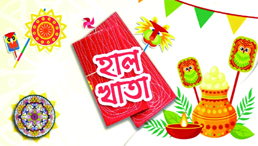
Rooted in the Mughal era, the practice of Halkhata – which literally means “new ledger” – originated during the reign of Emperor Akbar, who introduced the Bengali calendar to ease tax collection for local farmers. Over time, what began as a fiscal measure gradually evolved into a deeply embedded cultural custom. Traders and business owners embrace Halkhata as a day to close old account books, forgive or settle debts, and start afresh with new ledgers for the coming year.
In the bustling alleys of Old Dhaka, particularly in areas such as Tanti Bazar, Laxmi Bazar, Shankhari Bazar, and Islampur, the spirit of Halkhata still thrives. Shopkeepers, especially those involved in gold trading, garment wholesale, and traditional crafts, prepare weeks in advance. Bright red or white new ledger books are wrapped in colorful cloth, inscribed with religious symbols, and kept ready for the auspicious day.
On the morning of Pohela Boishakh, business owners hold religious rituals – puja for Hindus and dua for Muslims – seeking blessings for prosperity, integrity in trade, and good fortune for the year ahead. Customers and patrons are invited with great respect, often welcomed with sweets like rosogolla, mishti doi, or sondesh, and treated to refreshments. In return, many clients make symbolic purchases or clear past dues, reaffirming a relationship built on trust and mutual respect.
“Halkhata is not just about business; it is about emotion, legacy, and a bond that has lasted for generations,” Mizanur Rahman, a third-generation shopkeeper in Tanti Bazar, told The New Nation. “Even if the transactions are small, our customers come because they value the tradition and the gesture.”