
Global rights group urges action to protect garment workers from rising heat
Business Report :
A global labour rights organisation has called on fashion brands, suppliers, and governments to take urgent action to protect garment workers from the growing risks caused by rising workplace temperatures.
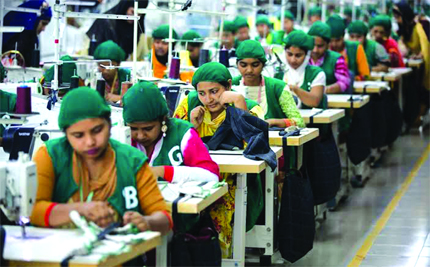
In its new report titled “Heat and Garment Workers’ Rights – Fashioning a Just Transition,” the Clean Clothes Campaign (CCC) warns that as global temperatures rise due to climate change, millions of factory workers mostly women and migrants are facing worsening health risks, harassment, and even wage theft.
According to the report, about 72 million garment workers worldwide are now vulnerable to heat stress, particularly in production hubs like Bangladesh, India, China, Indonesia, Pakistan, and Brazil, which are among the “Critical 9” countries most exposed to extreme heat.
The CCC says garment workers in other regions, including Cambodia, the Philippines, Uganda, and Serbia, are also experiencing the impacts of hotter and more hazardous working conditions.
The report highlights that fashion brands contribute significantly to greenhouse gas emissions and environmental damage, yet the workers in their supply chains are “among those suffering first and most” from climate impacts.
“Workplace heat must be recognised as an urgent labour and human rights issue,” the CCC said. “It is worsening existing violations and creating new ones for workers who have contributed least to the crisis.”
Giuseppe Cioffo of the CCC’s international office said governments must take the issue seriously and introduce binding standards to monitor and control heat in workplaces, alongside social protection systems to support affected workers. The CCC also urged brands and suppliers to end exploitative business practices, uphold the right to decent work, and allow workers to organise and help design climate adaptation plans.
The group stressed that addressing heat stress should be a core part of the fashion industry’s climate transition, requiring worker-led initiatives and accountability mechanisms across global supply chains.
“Without immediate action,” the report warns, “garment workers will remain exposed to dangerous temperatures, financial insecurity, and an uncertain future.”