
Foreign debt repayments raise 13pc to $667m
Staff Reporter :
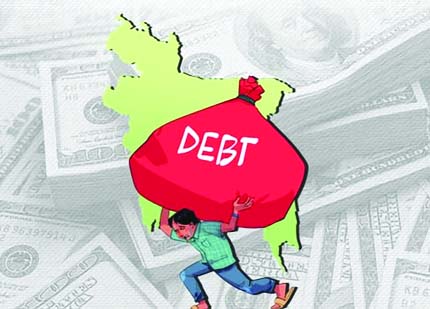
Bangladesh’s foreign debt repayments have surged in the opening months of the current fiscal year, reflecting both rising loan inflows and mounting repayment obligations.
According to data released today (28 September) by the Economic Relations Department (ERD), the country repaid $667.11 million in foreign loans during July–August of FY2025-26, marking a 13.21percent increase compared to the same period last year, when repayments stood at $589.22 million.
The bulk of the repayments came from the principal component. Actual principal repayments rose to $488.79 million, a sharp 17.6percent jump from $415.62 million during the same period of FY25.
Meanwhile, interest payments climbed more modestly, increasing by 2.71percent to $178.32 million, up from $173.60 million a year earlier.
This rise in repayments comes against the backdrop of a steady build-up
in external debt.
Between the end of March and the end of June this year, Bangladesh’s external debt stock swelled by $7.35 billion, largely driven by higher disbursements to the public sector, according to Bangladesh Bank figures released earlier this month.
Economists caution that while concessional loans from multilateral and bilateral partners continue to play an important role in financing development, repayment pressures are expected to mount as more loans mature.
They stressed the need for efficient utilisation of borrowed funds, particularly those directed toward large-scale government projects.
“Foreign borrowing can be beneficial if it helps expand productive capacity and generate revenue streams.
But if loans are tied up in delayed or poorly managed projects, they risk becoming a fiscal burden rather than an economic driver,” said a senior economist familiar with public finance trends.
Bangladesh Bank officials have also noted that recent inflows from the World Bank, Asian Development Bank, and other development partners were crucial for supporting budgetary gaps and infrastructure spending.
However, they warned that rising global interest rates and a strong dollar could increase repayment costs in the coming months.
With external debt repayment obligations rising, policymakers face the dual challenge of ensuring timely repayment to maintain creditworthiness while also channelling foreign funds into projects that deliver measurable economic returns.