
Dr. Salehuddin to present interim budget today
Staff Reporter :
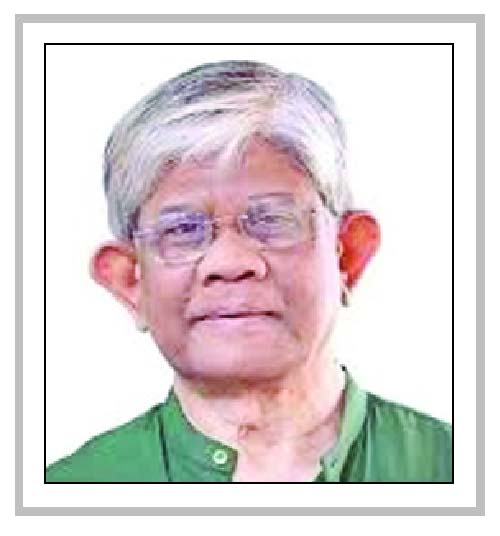
Finance Adviser Dr. Salehuddin Ahmed is set to present the interim government’s first national budget today (Monday), at a time when Bangladesh faces mounting economic challenges, including persistent inflation and a downturn in private sector investment.
According to an official handout, the national budget for the fiscal year 2025-26 will be unveiled at 3:00 PM, an hour earlier than previously scheduled.
The presentation will be broadcast live on Bangladesh Television (BTV) and Bangladesh Betar, with all private television and radio stations requested to relay the speech simultaneously to ensure maximum reach.
Sources familiar with the budget planning process indicate that the total proposed expenditure will be around Tk 7.9 trillion, with a projected budget deficit of over Tk 2.2 trillion. The government is targeting a GDP growth rate of 5.5 per cent for the next fiscal year.
Economists caution that the forthcoming budget must carefully navigate several overlapping macroeconomic risks, including sustained inflationary pressures, underwhelming revenue performance, subdued private investment, rising interest rates, unemployment concerns, and volatility in the capital market.
Dr Zahid Hussain, former Lead Economist at the World Bank’s Dhaka office, identified inflation control and investment stimulation as the most urgent priorities for the upcoming fiscal plan.
“Bringing down inflation and reviving private investment are the two central challenges,” he said. “Low-income households are struggling to afford basic goods. Inflation has remained stubbornly high for more than two years, steadily eroding real incomes.”
Inflation exceeded 10 per cent during the first half of the current fiscal year (July-December) and hovered around 9 per cent as of April. Dr Hussain linked the decline in private investment to both high inflation and rising interest rates across the banking sector.
He also urged policymakers to frame a more pragmatic and realistic budget, warning against the overly ambitious targets of previous years. “This year’s budget should focus on modest and achievable goals,” he advised.
Commenting on the fiscal deficit, Dr Hussain noted that the proposed Tk 2.2 trillion shortfall is not unmanageable in itself-but the key challenge lies in achieving the revenue target.
For FY 2025-26, the government is expected to set a revenue target of Tk 5.18 trillion. However, the International Monetary Fund (IMF) has recommended a more aggressive revenue mobilisation target of Tk 5.8 trillion as part of its ongoing support package.
Dr Hussain referred to a recent interview with Finance Adviser Dr Salehuddin Ahmed, in which the adviser revealed that in one tax case involving Tk 1,000 million, the government managed to collect only Tk 100 million – just 10 per cent of what was due.
Of the remainder, an estimated Tk 600 million reportedly went to corrupt tax officials, while Tk 300 million was retained by the taxpayer in collusion with those officials.
“This scenario highlights the urgent need for meaningful reforms in revenue administration,” Dr Hussain said. “Without tackling systemic corruption and inefficiency, the tax authority will continue to fall short of its targets.”
He concluded by stressing that broader political and social stability will be essential for achieving the objectives of the upcoming budget.