
US Trade Talks: Dhaka races to avert tariff shock
Muhammad Ayub Ali :
Bangladesh is navigating a critical phase in trade negotiations with the United States, as hopes for tariff relief remain uncertain.
Despite progress on a few fronts, the US administration has yet to offer any firm assurances regarding the reduction of additional tariffs imposed on Bangladeshi exports.
With a third round of negotiations under preparation, Dhaka is working to regain lost ground.
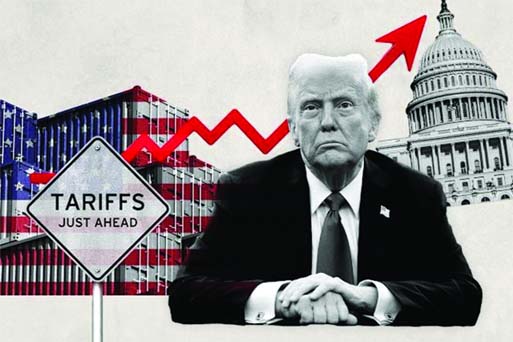
However, the looming threat of tariff hikes-potentially raising total duties to between 51 and 54 percent – poses significant risks to the country’s key export industries, particularly ready-made garments (RMG).
Currently, Bangladeshi exports, especially gar ments which account for over 80 percent of total export earnings, face average tariffs of 16 to 19 percent when entering the US market.
If the newly proposed 35 percent duty is enforced, the overall tariff burden could more than triple, severely undermining Bangladesh’s price competitiveness.
The implications for Bangladesh’s export-led economy are profound. The RMG sector alone employs more than four million workers, and any major disruption could result in serious economic and social consequences.
Meanwhile, regional competitors such as India, Vietnam, and Indonesia have already secured more favourable trade terms, further weakening Bangladesh’s relative position in the US market.
According to officials from the Ministry of Commerce, Bangladesh is preparing a final position paper to be submitted to the Office of the United States Trade Representative (USTR) by Sunday.
The third round of talks is pending scheduling approval from the White House. The delegation will be led by Trade Adviser Sheikh Bashir Uddin.
In support of the government’s efforts, the Bangladesh Chamber of Industries, headed by Anwar Ul Alam Chowdhury Parvez, has submitted a strategic roadmap to the government. The document outlines negotiation tactics that have proven effective for peer countries in similar circumstances.
Experts highlight that while the initial US tariffs were introduced under the rationale of addressing trade imbalances, the focus has now shifted to non-tariff issues such as labour law compliance, supply chain transparency, and broader geopolitical considerations.
“These conditions are no longer merely economic-they carry significant political and strategic implications,” said a senior trade analyst. “A coordinated diplomatic and economic strategy is essential if Bangladesh is to succeed.”
Exporters argue that the conditions imposed by the US may be temporary and could face domestic opposition within the United States.
Nevertheless, they warn that any delay in finalising an agreement will only increase pressure on Bangladesh’s export sectors.
President of the Bangladesh Garment Manufacturers and Exporters Association (BGMEA), Mahmud Hasan Khan, warned that failure to secure tariff relief could severely damage the RMG sector, potentially triggering large-scale job losses.
Former World Bank Chief Economist Dr Zahid Hossain echoed this concern, criticising the government’s slow response to the evolving trade environment. “While our competitors have already secured concessions, we remain vulnerable,” he said.
With less than two weeks before the 1 August implementation deadline, Bangladesh is in a race against time to safeguard its export future.
The outcome of the upcoming negotiation round may well determine whether the country can avert a trade shock or face significant economic fallout.
The urgency stems from US President Donald Trump’s announcement on 7 July of new tariffs targeting 14 countries, including Bangladesh.
A 35 percent tariff specifically on Bangladeshi exports was scheduled to take effect on 9 July but has since been deferred until 1 August-granting Dhaka a brief opportunity to renegotiate.