
From Gaza to Dhaka: Detention, defiance Shahidul Alam’s trip
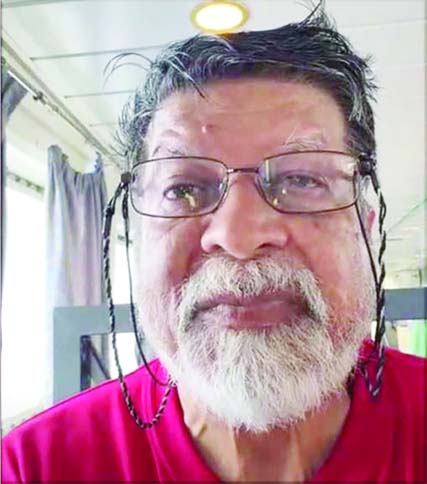
Al Mamun Harun Ur Rashid :
Shahidul Alam, a renowned Bangladeshi photographer and human rights activist, delineated an ordeal of psychological torments during his captivity in filthy Israeli detention camps full of death threats, scarce food and uncertainty.
He described it before the Bangladesh audiences in the capital on Saturday following his return home from Gaza after 15 days.
In a bid to supply aid, Alam embarked on his journey on September 27, leaving Dhaka to join an international humanitarian mission aimed at breaking the Israeli blockade of Gaza.
He joined the Freedom Flotilla Coalition, a civil society initiative that has long challenged the siege of Gaza, carrying essential aid and solidarity from activists around the world.
By September 30, Shahidul had reached Istanbul, Turkey, where flotilla members gathered for final coordination. The group included journalists, medical volunteers, activists, and human rights defenders from over 20 countries.
The mission also aligned with “Thousand Madlins to Gaza,” a solidarity initiative launched in memory of aid workers lost to the conflict.
Shahidul shared updates, emphasising the moral duty to act against injustice. On October 2, nine vessels set sail from the Turkish coast.
Shahidul described the mission on social media as a stand against apartheid and ongoing atrocities in Gaza. He stressed that silence in the face of oppression is complicity.
By October 4, while still in international waters of the Mediterranean Sea, the flotilla was intercepted by Israeli naval forces.
Commandos stormed the vessels, seizing control and detaining everyone on board. Shahidul, along with other activists, was held incommunicado.
Israel claimed the flotilla posed a security threat, a claim widely rejected by the organisers. October 5 marked the beginning of Shahidul’s detention in Israel.
He was initially taken to Ashdod Port and then moved to a high-security facility. His whereabouts remained uncertain, leaving friends and colleagues anxious about his safety.
By October 6, global pressure intensified. Human rights organisations demanded his release, and Drik and Pathshala in Dhaka launched campaigns calling for urgent diplomatic action. Chief Adviser Prof Muhammad Yunus urged Turkey to take necessary steps for Alam’s release.
On October 8, negotiations led by Turkey intensified. Turkish officials began discussions with Israeli authorities regarding the release of international activists.
October 9, Israel agreed to deport the detained activists including Shahidul. On October 10, Shahidul boarded Turkish Airlines flight TK 6921 with other detainees released through diplomatic efforts.
Bangladesh Consul General in Istanbul Mohammad Mizanur Rahman received Shahidul Alam on his return from Israel. Later it was said that he would return home the following day.
Finally, he landed at Hazrat Shahjalal International Airport in Dhaka early on October 11 at 4:45 am. He was welcomed by his wife and fellow rights activist Rahnuma Ahmed, National Museum Director General Tanzim Ibne Wahab, photographer Munem Wasif, and members of the Drik and Pathshala community.
Addressing the media, he expressed gratitude to the people of Bangladesh for their solidarity and reminded the world that the people of Gaza remained under attack.
Later in the day at the Drik’s office in the capital, he describes the harrowing conditions and psychological abuse he and other detainees endured while held by Israeli forces.
He described repeated attempts to create fear inside the prison: guards would storm cells at night with machine guns, bang loudly, shout orders and force detainees to stand in terror. At one point, he said, a fellow detainee was threatened with being shot after being accused of supporting Hamas.
“We were handcuffed behind our backs and made to sit curled up where the soldiers had already urinated,” Alam told reporters.
He said Israeli personnel repeatedly threw away his Bangladeshi passport; each time he picked it up, he was assaulted. On another occasion, two detainees were struck with the barrel of a machine gun for speaking among themselves.
Alam said they were held in what he called one of Israel’s most secret desert prisons, and that food was scarce.
He said the group largely fasted in protest; over two and a half days they were given only one plate of food, and several detainees ate only because their bodies weakened. Sleeping areas were iron surfaces and sanitary conditions were deplorable, he added.
Speaking about what comes next, Alam said the group plans to build an international activist network. “Because global leaders will not act, activists must prepare the fight,” he said, explaining that they have drawn up a blueprint and intend to return aiming to mobilise fleets of vessels in future actions.
Alam linked the strategy to Bangladesh’s own protest history, pointing to the popular movements that toppled authoritarian figures here as a model for international action. He said activists will take the lead where states do not.
His journey from September 27 to October 11 is a testament to his resilience and unwavering commitment to human rights. In his words, “The struggle is not over. Palestine will be free.”