
Customs agents end work abstention, operations resume
Staff Reporter :
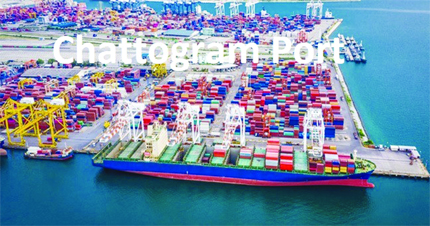
The Bangladesh Customs Agents Association has called off its four-hour daily work abstention at Chattogram Port, bringing relief to the country’s busiest seaport after days of labor unrest and operational disruptions.
The association suspended the program Monday, a day after it began, following the Chattogram Port Authority’s (CPA) decision to halt the recently increased gate pass fee for customs agents’ workers and employees.
Saiful Alam, president of the Bangladesh Customs Agents Association, confirmed the development to the media. “As the CPA has agreed to suspend the raised gate pass fee, we have decided to withdraw the work abstention program,” he said.
“The CPA informed us this morning, and we immediately instructed our workers to return to duty.”
He added that discussions on other demands, including tariff issues, are being handled by the Port Users’ Forum, which will announce further programs if necessary. “For now, our protest has been suspended,” Alam noted.
The work abstention had started yesterday morning, shortly after transport owners and workers enforced a strike that disrupted container movement at the port.
The CPA had met with transport leaders and agreed to suspend the gate pass fee hike — from Tk57 to Tk230 — prompting transport owners and workers to call off their strike around 3:30pm.
With both the strike and the customs agents’ abstention now withdrawn, container delivery operations have begun returning to normal, easing congestion and delays. CPA Secretary Omar Faruk said, “Container handling and delivery operations are going on smoothly.”
The port had experienced a significant slowdown during the 40-hour transport strike, with container delivery dropping by 45percent over four days. On 19 October, only 295 TEUs were delivered — far below the daily average of 4,500 TEUs — before the strike ended in the afternoon.
According to the port’s daily performance report, 101 vessels were at the port today: 50 unloading at the outer anchorage, 32 waiting for berths, and 16 berthed at the main jetties. The resumption of normal operations is expected to stabilize cargo movement and reduce backlogs.