
China hosts 1st trilateral talks with Bangladesh, Pakistan
Staff Reporter :
In a significant diplomatic development signalling evolving regional alignments, Bangladesh, China and Pakistan have launched their first formal trilateral forum. The inaugural meeting was held on Thursday in Kunming, in China’s Yunnan province.
The discussions brought together Chinese Vice Foreign Minister Sun Weidong, Bangladesh’s Acting Foreign Secretary Ruhul Alam Siddique, and Pakistan’s Additional Secretary for Asia-Pacific, Imran Ahmed Siddiqui. Pakistan’s Foreign Secretary Amna Baloch also joined the talks remotely for the initial session.
The formation of the trilateral mechanism follows months of quiet diplomacy among the three nations.
It marks a notable shift in South Asian dynamics, particularly given Bangladesh’s historically strained ties with Pakistan and recent complexities in its relationship with China during the previous Awami League government.
Since the departure of former Prime Minister Sheikh Hasina in August last year, diplomatic ties between Dhaka and Islamabad have seen marked improvement, with Beijing increasingly engaging to advance regional cooperation.
While the initiative is likely to draw close scrutiny from neighbouring India, all three countries were keen to stress that the new forum is not directed against any third party.
A statement from China’s Ministry of Foreign Affairs underscored the initiative’s focus on regional development and partnership. Vice Minister Sun described Pakistan and Bangladesh as “good neighbours, good friends, and key partners” in advancing high-quality Belt and Road cooperation.
He reaffirmed China’s commitment to building “a community with a shared future” among neighbouring countries.
“All three nations are important members of the Global South, united by the shared goals of national revitalisation and modernisation,” Sun said. “This trilateral cooperation aligns with the collective aspirations of our people and is crucial for regional peace, stability, and prosperity.”
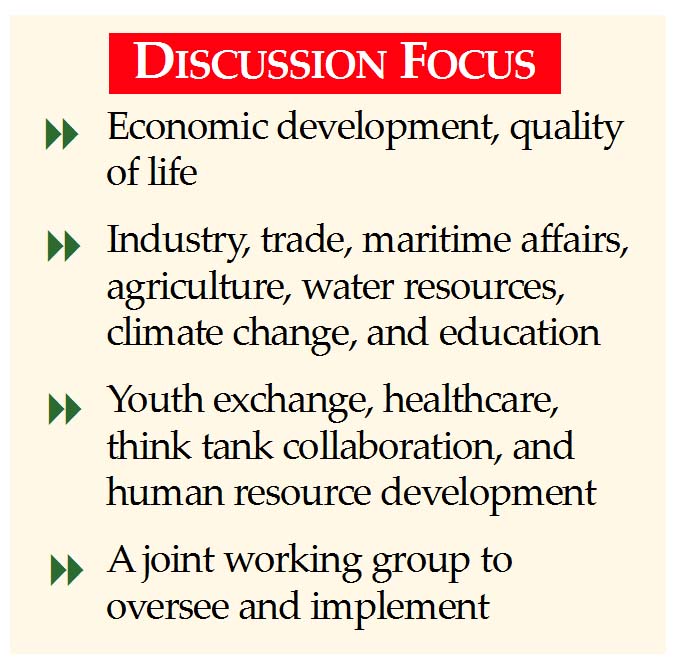
The discussions centred on enhancing economic collaboration and improving the quality of life across the three nations. The delegations explored joint initiatives in a wide range of sectors including trade, industry, maritime cooperation, agriculture, water resources, climate change, education, youth exchange, healthcare, and human resource development.
Think tank partnerships and research collaboration also featured prominently. A joint working group will be established to oversee the implementation of the agreements and proposals arising from the meeting.
All sides emphasised that the trilateral framework would be based on principles of good neighbourliness, mutual trust, inclusivity, and shared development. They reiterated their commitment to open regionalism and “true multilateralism”, distancing the initiative from any notion of strategic containment or geopolitical rivalry.
Diplomatic observers view the Kunming talks as a step towards broader China-led regional initiatives, particularly those focused on development and connectivity. The trilateral forum may serve as a template for future cooperative arrangements in South Asia, reflecting a shift towards multilateral diplomacy driven by economic and strategic imperatives.