
Children’s low vegetable intake drives health crisis
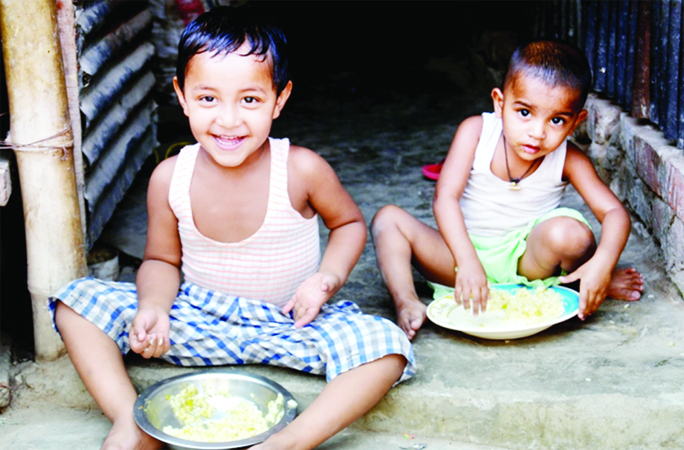
City Desk :
Despite growing awareness of healthy eating, vegetable consumption among children in Bangladesh remains alarmingly low, posing serious threats to child nutrition and long-term health, nutritionists and public health experts have warned.
Recent estimates suggest that more than 1.5 crore children across the country are at nutritional risk due to the lack of vegetables, fruits, and milk in their daily food intake. Experts say this deficiency is causing a shortfall of at least five key nutrients essential for healthy growth and development, states UNB.
Nutritionists recommend that children aged 2 to 5 years should consume at least 40per cent of their daily food intake in the form of vegetables to lay a strong foundation for lifelong health.
The World Health Organisation (WHO) recommends that children consume at least 400g, or five portions, of fruits and vegetables per day.
Adequate vegetable intake is linked to a lower risk of heart disease, stroke, and certain cancers later in life, it also said.
On the other hand, poor dietary habits, including low vegetable intake, can increase the risk of developing chronic diseases like type 2 diabetes later in life, according to the Centers for Disease Control and Prevention (ICDDR,B).
A recent analysis of dietary patterns reveals that a significant number of Bangladeshi children under the age of five consume little to no vegetables on a daily basis. According to data from the Bangladesh Demographic and Health Survey (BDHS), more than 60per cent of children aged 6 to 23 months had not consumed any fruits or vegetables on the day before the survey.
“This trend is deeply concerning,” said Dr. Nusrat Jahan, a pediatric nutritionist at the National Institute of Public Health. “Vegetables are essential for a child’s physical and cognitive development. When children miss out on this group of foods early in life, it can lead to vitamin deficiencies, weakened immunity, and poor eating habits in the future.”
Experts say the avoidance of vegetables stems from multiple factors ranging from taste preferences and lack of awareness to the increasing influence of ultra-processed food marketing. Many children show a natural aversion to bitter flavors, especially those found in green leafy vegetables, and without repeated exposure or encouragement, these foods are often rejected both at home and in schools.