
Can ’90s singer get paid in streaming era?
Md. Rawsan Zadid:
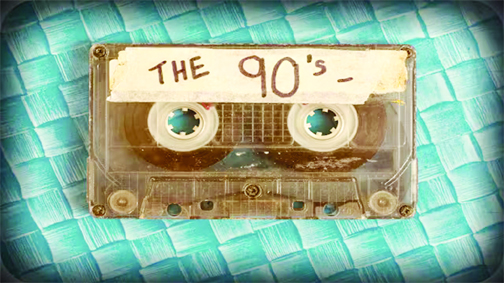
If you were a ’90s kid in Bangladesh, you probably remember that a cassette used to cost BDT 35. During every Eid celebration, Pohela Boishakh, or Valentine’s Day, new solo or mixed music albums would be released on cassette.
Today, we no longer have cassettes or even cassette players, CD players, or DVD players.
One of the most popular platforms is YouTube, a video-sharing service launched in 2005. It gained widespread popularity between 2008 and 2010.
According to Section 2(7) of the Copyright Act, 2023 (Bangladesh), copyright covers a wide range of creative and intellectual works, including: Literary works, Dramatic works, Musical works, Folk cultures and traditional expressions, Digital content created using information technology, Artistic works, Cinematographic films, Sound recordings.
With the invention of the printing press, the need for formal protection of intellectual work became more pressing. In the Indian subcontinent, the first applicable law was the Copyright Act of 1914, modeled on the UK Copyright Act of 1911.
Eventually, Bangladesh enacted the Copyright Act of 2000, followed by the Copyright Rules of 2006. Today, the country has adopted a modern legal framework—the Copyright Act of 2023.
As platforms like YouTube, Spotify, and other digital streaming services emerged, the label company monetized digitized versions of that music—but without paying any royalties to the original artist. The company argued that it had purchased the full rights back in 1995. This situation created prolonged confusion and disputes over royalty distribution for works created in the pre-digital era.
The circular clarified revenue-sharing arrangements for songs originally created for CD, VCD, or cassette formats under the following conditions: The label company did not invest in the production of the song; The lyricist, composer, or artist did not contribute exclusive creative input to that specific recording.
In such cases where none of the parties made a direct investment or exercised sole creative control the guideline mandates that any revenue from digital platforms must be distributed equally among the key stakeholders: Lyricist – 25%, Composer – 25%, Singer – 25%, Label Company – 25%.
The 2021 guideline, along with the updated Copyright Act of 2023, marks an important step toward addressing these longstanding disparities. However, much depends on enforcement and awareness.
(The author, Rawsan Zadid is
an Advocate of Supreme
Court of Bangladesh)