
Call to rethink costly projects amid debt pressure
Staff Reporter :
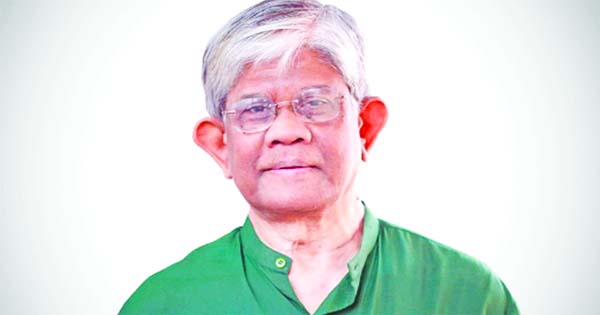
Finance Adviser Dr Salehuddin Ahmed has cautioned against approving large-scale development projects that could jeopardise Bangladesh’s debt sustainability, urging stakeholders to evaluate feasibility, necessity, and long-term value before proceeding with major undertakings.
Speaking as chief guest at a workshop titled “Navigating Public
Debt in Bangladesh” held in Gazipur on Friday, Dr Ahmed stressed the importance of moving from strategy to action in managing public debt.
The event was organised by the Strengthening Public Financial Management Programme to Enable Service Delivery (SPFMS) under the Finance Division.
“Debt management is not the sole responsibility of the government-it requires collective efforts from the corporate sector, Bangladesh Bank, the bond market, and other stakeholders,” Dr Ahmed said.
He also underlined the critical role of real-time, integrated data systems in enhancing debt oversight and coordination across institutions. “A lack of timely data and institutional synergy remains one of our biggest challenges in ensuring effective debt management,” he noted.
Special guest Dr Anisuzzaman Chowdhury, Special Assistant to the Finance Ministry, emphasised the need for strong inter-ministerial coordination. He called on all relevant entities to convene soon to take decisive steps to strengthen debt governance.
Additional Secretary of the Finance Division and National Programme Director of SPFMS, Bilkis Jahan Rimi, and World Bank Lead Governance Specialist Suraiya Jannat also attended the event.
Finance Division Secretary Dr Khairuzzaman Mozumder highlighted the need for innovative planning to manage public debt sustainably. With shrinking opportunities for external financing, he stressed that the country must now prioritise domestic borrowing. He also called for enhanced institutional capacity, including the development of a technically skilled workforce specialising in debt management.
Presentations were delivered by senior officials including Hasan Khaled Foisal, Additional Secretary (Treasury and Debt Management); Mohd Rashedul Amin, Joint Secretary; and Farid Ahmed, Deputy Secretary.
Economist Arindam Roy from the IMF joined the session virtually. Moderation was provided by Additional Secretaries Shirajun Noor Chowdhury and Dr Ziaul Abedin of the Finance Division.
IMF’s Arindam Roy discussed Bangladesh’s ongoing reforms to strengthen its debt management framework. He noted that the share of external debt rose from 37% in FY2023 to 43% in FY2024, largely due to the depreciation of the Taka. Rising inflation and interest rates have also increased the cost of debt servicing.
He underscored the need to strengthen institutional capacity, expand training, and promote national ownership to ensure the long-term success of fiscal reforms.
Around 75 representatives from the Finance Division, Economic Relations Division, Department of National Savings, Bangladesh Bank, and the World Bank participated in the workshop.