
CA to visit Malaysia
Diplomatic Correspondent :
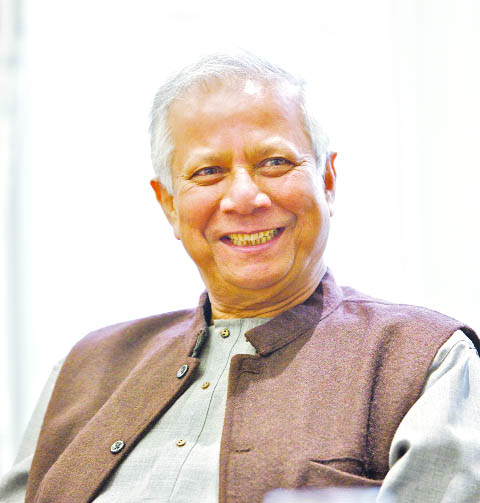
Chief Adviser to the Interim Government, Professor Muhammad Yunus, is scheduled to undertake an official visit to Malaysia from 11 to 13 August at the invitation of Malaysian Prime Minister Anwar Ibrahim.
The three-day trip is expected to focus on labour cooperation, Bangladesh’s aspirations for ASEAN membership, and advancing bilateral relations.
Sources in Dhaka and Kuala Lumpur have confirmed that the visit will centre on medium- and long-term strategies concerning Bangladeshi migrant workers in Malaysia.
While no new recruitment agreement is anticipated during this visit, labour migration will remain a central theme in the discussions.
Dhaka is likely to urge Kuala Lumpur to maintain preferential consideration for Bangladeshi workers, even as Malaysia moves forward with its 13th Plan reforms aimed at reducing foreign worker dependency from 15 per cent to 10 per cent by 2030.
These reforms include increased automation, upskilling of the domestic workforce, and a multi-tiered levy system to be introduced in 2026, alongside tighter conditions on temporary work permits and changes of employment.
Although immediate outcomes in terms of agreements are unlikely, officials believe the visit will significantly influence future cooperation on labour and human resource development.
All foreign worker applications will soon be channelled through a centralised clearing house, designed to prioritise local employment, further underscoring the importance of strategic engagement for Bangladesh.
The Chief Adviser’s visit will also touch on broader issues of bilateral cooperation, including trade, investment, energy – particularly LNG supply – education, defence, and tackling transnational crimes such as human trafficking.
Bangladesh and Malaysia recently held a high-level meeting in Dhaka between their respective police forces, agreeing to enhance intelligence-sharing and joint counter-trafficking initiatives.
On the diplomatic front, Professor Yunus is expected to seek Malaysia’s support for Bangladesh’s bid to become a sectoral dialogue partner – and eventually a full member – of the Association of Southeast Asian Nations (ASEAN).
During a meeting in Dhaka on 27 July with Nurul Izzah Anwar, Vice President of Malaysia’s People’s Justice Party and daughter of Prime Minister Anwar, Professor Yunus expressed optimism that Malaysia, as current ASEAN chair, would actively support Bangladesh’s application.
Sensitive issues such as illicit financial flows and Malaysia’s controversial “second home” programme are unlikely to feature in formal talks.
However, diplomatic sources suggest that the Chief Adviser may privately raise concerns about money laundering, particularly regarding funds allegedly transferred abroad during the tenure of the previous government.
Any official engagement on asset recovery remains complex and subject to legal procedures already underway with countries like the UK and Singapore.
The visit is also expected to strengthen commercial ties. Malaysia is currently Bangladesh’s eighth-largest foreign investor, with a foreign direct investment (FDI) stock of $856.23 million as of December 2023.
Bilateral trade reached $1.53 billion between January and June 2024, reflecting a resilient economic relationship. Over 386 Malaysian companies are currently operating in Bangladesh, with further investments anticipated, including in automotive assembly and special economic zones.
Bangladesh has proposed the creation of a dedicated Malaysian economic zone, similar to those already established by China, India and Japan.
Malaysia has shown strong interest in expanding its footprint in Bangladesh’s economic zones, with investment figures exceeding $5 billion.
Officials from both nations are working to finalise details across various sectors in preparation for the visit, which is being seen as a key opportunity to deepen the personal rapport between the two leaders and foster greater collaboration across shared regional and economic interests.
“This visit will play a vital role in elevating the warm and friendly relations between our two countries to new heights,” a senior official from the Ministry of Foreign Affairs remarked.