
International Women’s Day: BD women e-commerce has huge potentials: Nasima Akter
Business Reporter
The e-commerce sector is growing day by day in Bangladesh. Where a hopeful path has been created for both men and women and employment has been created for a large number of people in the country. Similarly, Women and E-Commerce Trust (WE) is a platform where women entrepreneurs have gained wide acceptance for promoting domestic products.
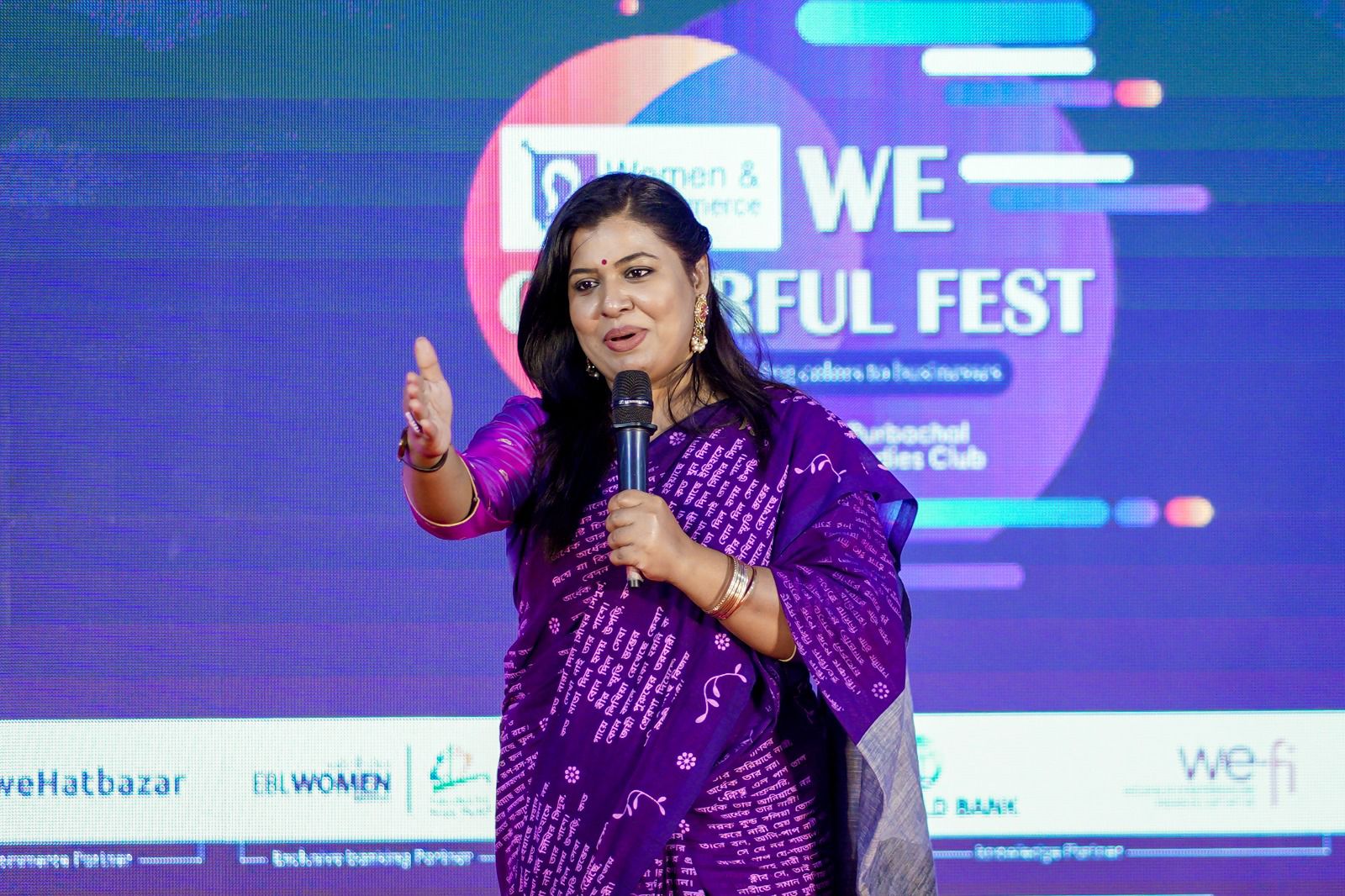
Nasima Akter Nisha, the president of Women and E-Commerce Trust (WE), a female entrepreneur, has started working in the software sector since 2010.
She is also managing Director of Reverie Corporation Ltd. With a clear vision of promoting women in business, especially in the tech industry, she has spearheaded multiple groundbreaking initiatives to bring Bangladeshi women into the forefront of digital commerce.
Talking to the The New Nation recently, woman entrepreneur Nasima Akter Nisha shared her opinions and thoughts emphasizing the scope and opportunities for E-commerce for Women Entrepreneurs.
She said the e-commerce sector presents a remarkable opportunity for women entrepreneurs. It allows them to operate their businesses comfortably from their homes, enabling a balanced approach to both family and work commitments. E-commerce offers flexible time management, which is particularly beneficial for women juggling multiple responsibilities.
The COVID-19 pandemic highlighted the significance of online businesses, with e-commerce emerging as the only active sector during that time. Many women, who previously did not consider entrepreneurship, were inspired to start their own online ventures. This demonstrates the vast potential and expanding scope of e-commerce for women entrepreneurs, she said.
She also listed the challenges of E-commerce for Women Entrepreneurs in Bangladesh saying while e-commerce offers numerous advantages, there are several challenges faced by women entrepreneurs.
The issues of challenges are as follows:
1. Delivery Channels: Many entrepreneurs frequent different districts to address delivery issues. In suburban and rural areas, reliable and affordable delivery channels are lacking. Existing channels are often expensive, increasing operational costs for entrepreneurs.
2. Internet Connectivity: Entrepreneurs need to purchase data packs for their business activities, including marketing and training. The high costs and lack of widespread Wi-Fi access in rural areas pose significant hurdles.
3. Funding: Access to capital remains limited. Women entrepreneurs often require occasional funding rather than large investments, but the availability of such financial support is insufficient.
Addressing these challenges requires concerted efforts from both the government and the private sector to create a supportive ecosystem.
Strategies to Overcome Challenges and Promote E-commerce for Women
Women entrepreneurs should focus on continuously developing their skills by participating in training sessions, webinars, and staying updated on market trends and technological advancements. Innovation is key—standing out in the market by offering unique solutions and services can differentiate women-led businesses from others.
Additionally, women should be encouraged to think creatively and adopt problem-solving approaches that benefit their families, communities, and the nation. Emphasizing innovation and adaptability will be crucial in fostering sustainable growth in the e-commerce sector for women entrepreneur.
It is mentionable that entrepreneur Nasima Akter is an alumnus of IVLP ( International Visitor Leadership Program) of State Department of USA. A very few people from Bangladesh got this opportunity.