
‘BD needs to adopt Netherlands-style, tech-driven agriculture’
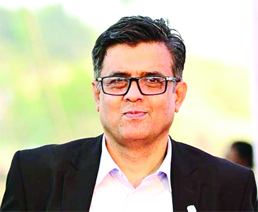
Staff Reporter :
Bangladesh must push forward with modern, technology-based farming similar to the Netherlands if it wants to boost productivity and secure long-term food stability, Chief Adviser’s Press Secretary Shafiqul Alam said on Saturday.
Speaking at a conference at the Cirdap auditorium, he noted that although the Netherlands is a small country, it exports farm products worth $133 billion annually. “Bangladesh can also significantly increase yields on limited land. But higher production alone will not help unless small farmers are protected,” he said.
The four-day event “Investment in Agriculture and Food: Quality Agricultural Inputs, Processed Products, and Building Value Chains for Commercialisation” was organised by the Bangladesh Agricultural Journalists Forum (BAJF) and focused on political commitment in agriculture and food systems.
Shafiqul Alam warned that bumper harvests often lead to price crashes, depriving farmers of fair returns. To prevent this, he emphasised the need for small-scale cold storage facilities, improved preservation technology, expanded markets, and export opportunities at the grassroots level.
He also highlighted the strong connection between agriculture, politics, and global trade. Citing the China–US soybean dispute, he said Bangladesh’s shift to US soybeans drew favourable attention from powerful American farm lobbies — a new dimension of foreign policy.
Alam mentioned that China has shown interest in major investments in Bangladesh’s jute sector, including joint ventures and technology transfer across the value chain. If realised, this could boost exports, generate jobs, and reinvigorate the jute industry, he said.
Traditional jute retting methods, he noted, have discouraged farmers due to the labour-intensive process. Chinese investors are exploring opportunities to process one million tonnes of jute locally and produce biofertilisers, energy, and eco-friendly plastic alternatives — technologies that could help Bangladeshi jute regain global prominence.
“Agriculture shapes the country’s future, influencing food security, political stability, foreign relations, and economic strength,” he said.
Recalling the 1974 famine — which research by Dr Naomi Hossain estimates killed about 1.5 million people — Alam said weak government capacity, poor reserves, flawed market systems, and global politics exacerbated the crisis. Market manipulation and stockpiling made it worse.
He said the lessons of 1974 continue to influence policymaking, especially for countries dependent on food imports. Bangladesh still relies on the global market for 6–8 million tonnes of food annually, leaving it vulnerable to geopolitical shocks such as the Ukraine war, Middle East tensions, or export restrictions.
Ensuring food security requires strong reserves, adequate stock, and the ability to import rapidly when needed, he said. At present, Bangladesh can store 2 million tonnes of grain, but this should be increased to 5 million tonnes to safeguard markets during global disruptions.
With rising salinity, shrinking farmland, and climate pressures, investment in new varieties, advanced technologies, and targeted research is becoming essential, he added.
He criticised unplanned housing that continues to destroy farmland even as many rural homes remain empty. Planned rural development is key to reversing this trend, he said.
Emphasising that the nation’s future is tied closely to agriculture, Alam said: “No matter who forms the next government or shapes policy, the priorities must remain food self-sufficiency, surplus production, and the protection of farmers and farmland.”
“We may not turn into the Netherlands, but with a decade of determined effort, we can achieve significant progress,” he concluded.