BD faces fiscal, inflation pressures
Staff Reporter :
Bangladesh’s economy is showing pockets of stability, but persistent challenges including tight fiscal space, elevated inflation, weak investment, and global uncertainties continue to weigh on growth prospects, according to a government report released on Monday.
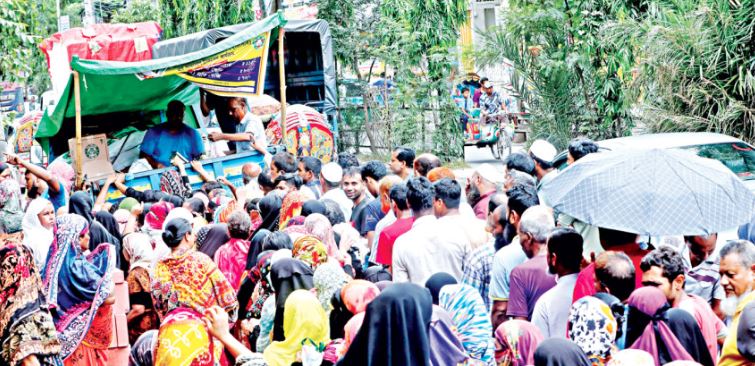
The report Bangladesh State of the Economy 2025, published by the General Economics Division (GED) of the Planning Commission, noted that despite recent improvements, inflation has remained above 8 percent, eroding the purchasing power of low-income households.
“Limited fiscal space due to low revenue mobilisation is constraining expected public investments. Provisional NBR estimates point to a widening shortfall in revenue collection,” the report stated.
The GED said the latter half of FY25 shows early signs of a rebound, although economic activity remains tempered by subdued investment, weak industrial performance, high inflation, and geopolitical and trade risks, including reciprocal tariffs imposed by the US.
International agencies, including the World Bank, have projected Bangladesh’s growth at 3.3-4.1 percent in FY25, with a recovery toward 5.1-5.3 percent expected in FY26.
Foreign direct investment remains “critically low” and is likely to stay weak in the coming months, the report added, identifying sluggish investment and industrial activity as major drags on growth.
However, the GED highlighted remittances, exports, and manufacturing output as key drivers supporting economic momentum. It said remittance inflows and stabilised imports suggest improving domestic demand, while rising capital machinery imports signal a gradual return of investor confidence.
Foreign exchange reserves have stabilised at above three months of import coverage, supported by what the report described as prudent macroeconomic management and structural strengthening of the external sector.
Still, stubbornly high inflation continues to squeeze real incomes-particularly for low-income and rural households.
“If Bangladesh can keep inflation in check, restore investor confidence, and stabilise the financial sector, stronger growth in FY2025-26 is achievable,” it said.
The report noted that the extent to which growth translates into job creation, poverty reduction, and improved living standards will depend heavily on policy decisions such as strengthening monetary policy to curb inflation, reforming financial intermediation, improving regulation and governance, and ensuring greater economic inclusion.